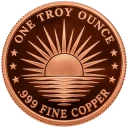
Which metals are IRA-eligible?
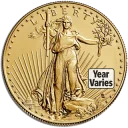
The IRS allows coins and bars that meet minimum fineness: gold 99.5%, silver 99.9%, platinum and palladium 99.95%, produced by an accredited refiner or a national mint. American Gold Eagles are allowed by name even though they are 91.67% gold. Collectible and rare coins are not eligible.
The fineness rule
The IRS does not keep a list of approved coins so much as a floor on purity. Gold must be at least 99.5% fine, silver 99.9%, platinum and palladium 99.95%, and the piece must come from a national mint or a refiner accredited by a recognized exchange.
One named exception: the American Gold Eagle is allowed by name even though it is 91.67% gold, because the law says so. Collectible, rare and graded coins are out, whatever their fineness.
Three
numbers.
That's
the
whole
rule.
What
qualifies,
metal
by
metal.
Gold
99.5% fine or better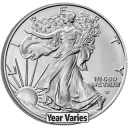
Silver
99.9% fine or better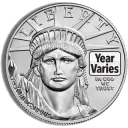
Platinum
99.95% fine or better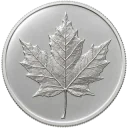
Palladium
99.95% fine or betterWhat does not qualify
Pre-1933 gold, numismatic and graded rarities, commemoratives and anything under the fineness floor cannot go into an IRA, however popular the piece. A dealer who steers a retirement account toward rare coins is steering it toward a premium you cannot see.
Everything on the platform marked IRA eligible meets the rule. Everything else is for cash purchase, and the two are never mixed in one order.
- Collectible, not bullion
- Numismatic value
- However popular
Why
the
rule
protects
you.
A price you can check
Bullion is valued on its metal content, which is quoted every second. A rare coin is worth what the next buyer says.
Easy to sell back
Eagles, Maple Leafs and refiner bars have a buyer anywhere. Our buyback quotes them at spot less a published spread.
No storage surprises
Depositories hold recognized bullion in standard sizes. Odd pieces mean odd handling.