
Dear Friend,
Trump is back in the White House, and business is booming—Melania’s Amazon deal, soaring crypto ventures, and Mar-a-Lago memberships are just the beginning.
Meanwhile, House Republicans are eyeing massive Medicaid cuts, sparking a budget showdown that’s just getting started.
Walmart is crushing the competition, but can it keep its retail crown?
Florida homeowners might see a tiny break on sky-high insurance rates (emphasis on tiny), and Trump just killed the global minimum tax—great for Big Tech, but it could spark a new trade war.
Let’s break it all down in this edition of the Everlasting Wealth Insider Report.
Jeremy Blossom
Editor in Chief, Everlasting Wealth
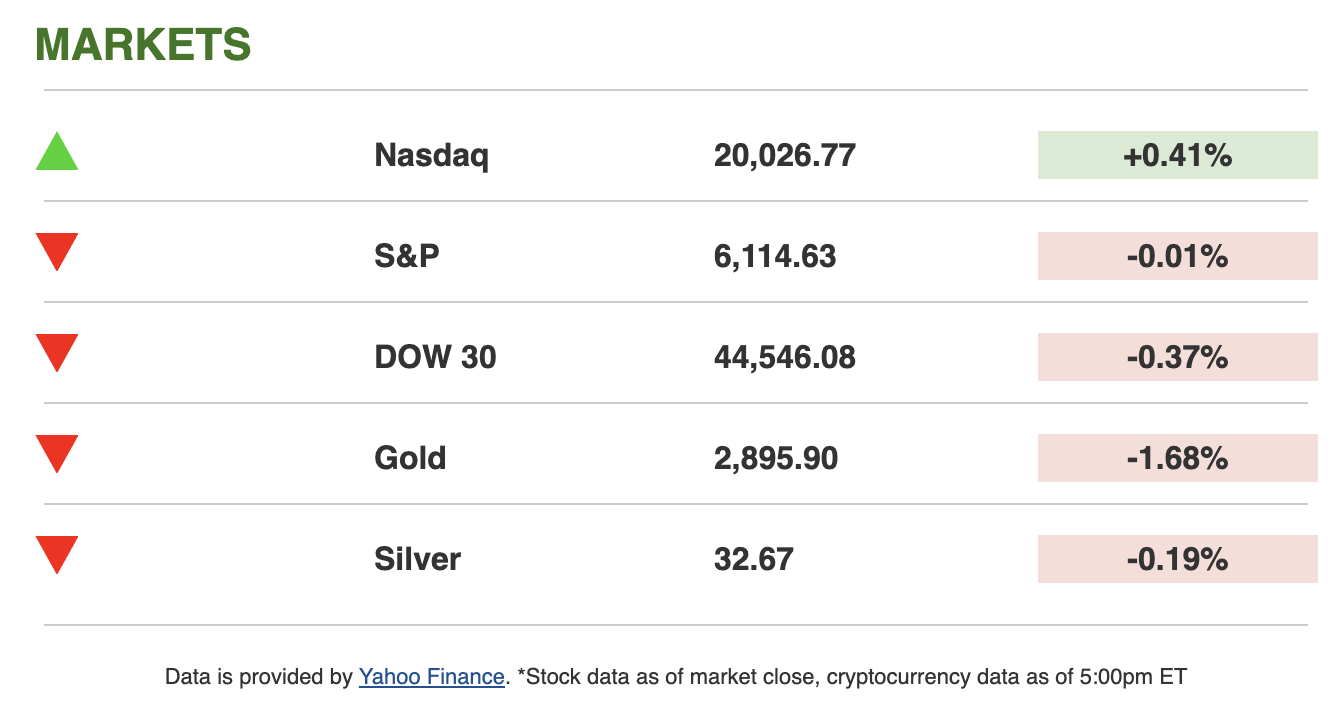
MARKET HEADLINES
📈 Nvidia stock rose as investors anticipate strong AI chip sales in the second half of 2025, despite near-term supply challenges.
✈️ Airbnb stock surged 12% after earnings beat expectations, with CEO Brian Chesky outlining plans to expand into adjacent travel services.
₿ GameStop shares jumped 6% on reports it may invest in Bitcoin, aiming to follow MicroStrategy’s crypto-focused business model.
🚗 Tesla stock gained for a third straight day, aligning with Wall Street price targets amid optimism over AI-driven robotaxi plans.
📉 Informatica stock plummeted 32% after weak guidance and revenue miss, raising concerns about lower renewal rates and declining services revenue.
The Art of the (Post-Election) Deal: How Trump’s Second Term is Making Waves
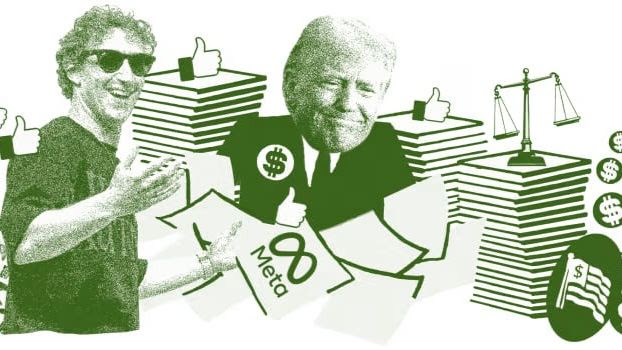
Donald Trump is back in the White House, and like it or not, things are happening fast.
From Melania landing a $40 million Amazon documentary deal to high-profile corporations settling lawsuits, the Trump brand is stronger than ever.
The presidential library is seeing a surge in donations, crypto ventures associated with the family are gaining traction, and Don Jr. is making strategic business moves.
Meanwhile, Mar-a-Lago memberships are in high demand, and Trump-branded merchandise is flying off the shelves.
Love him or hate him, there’s no denying that Trump knows how to capitalize on momentum—and his second term is proving to be no exception.
STOCKS TO WATCH
↗️ Airbnb: Despite issuing guidance that slightly missed analyst expectations, the short-term rental giant saw its shares jump in premarket trading. The company teased expansion into new businesses and played the AI card, saying it will use artificial intelligence in trip planning.
↘️ Applied Materials: The chip equipment maker delivered better-than-expected earnings, but concerns over export restrictions to China dragged its shares lower in premarket trading.
↗️ Intel: The struggling semiconductor giant has staged a comeback, surging about 25% this week, partly fueled by Vice President JD Vance’s pro-manufacturing comments. Shares continued their climb premarket.
↘️ Meta Platforms: The social media giant’s historic streak of consecutive daily stock gains may be coming to an end. Despite announcing a dividend increase on Thursday, its low yield (around 0.3%) doesn’t seem to excite income-focused investors, leading to a premarket decline.
↘️ DaVita: After rebounding to an all-time high, the dialysis provider’s shares are sliding premarket. The long-term impact of GLP-1 weight-loss drugs, like Ozempic, on the company’s future patient base remains a concern.
This Day in the Markets
📉 On this day in 2007, the U.S. Commerce Department reported a sharp decline in housing starts, marking one of the first major signs of trouble in the real estate market, as rising mortgage defaults, tightening credit conditions, and slowing buyer demand pointed to growing instability, foreshadowing the subprime mortgage crisis that would later trigger a global financial meltdown.
ECONOMY
Trump Protects Social Security, But Medicaid Cuts Spark Debate
President Trump has made it clear:
Social Security is off-limits for cuts.
But when it comes to Medicaid, House Republicans are proposing significant reductions—potentially up to $2 trillion over the next decade.
The goal?
To rein in government spending while prioritizing border security, defense, and tax relief.
Meanwhile, Senate Republicans are charting their own course, setting up a debate over which fiscal priorities will take center stage.
With Trump’s focus on economic growth and military strength, the question remains:
Will Medicaid reforms move forward, or will Congress find another way to balance the budget?
One thing is certain—this showdown is far from over.
ECONOMY HEADLINES
📈 Bitcoin rose as GameStop explored crypto investments and Coinbase reported strong earnings, signaling growing institutional interest in digital assets.
🛍️ Retail sales fell 0.9% in January as consumers cut back after holiday spending, with extreme weather also impacting shopping activity.
🌍 Trump’s reciprocal tariffs are delayed until April 1, giving markets time to assess potential trade shifts and their impact on global supply chains.
🚗 Tesla stock soared nearly 6% after reports that Elon Musk may drop his OpenAI bid, easing investor concerns over distractions and financing risks.
🏛️ The Trump administration accelerated federal job cuts through layoffs, return-to-office mandates, and voluntary buyouts, sparking legal battles with labor unions.
BUSINESS
Walmart Is Winning Again—But Can It Hold the Throne?

Walmart has clawed its way back to the top, beating out Target, Costco, and even making a dent in Amazon’s online empire.
Higher-income shoppers are flocking to its stores, e-commerce is booming, and even Walmart’s knockoff Birkin bag went viral.
But can it keep up the momentum?
The retailer is pouring billions into automation and delivery, but with sky-high stock prices and competition heating up, will Walmart be able to hold onto its retail crown—or is this just another temporary victory lap?
RETIREMENT
Retirement in Florida? Better Budget for Insurance—But There’s a Tiny Silver Lining

If you’re dreaming of golden years in the Sunshine State, brace yourself—home insurance is still a financial nightmare.
Florida’s property insurance market is so bad that retirees are paying thousands more than the national average just to keep their homes covered.
But here’s a shocker: for the first time in nearly a decade, some South Florida homeowners will actually see their rates drop (don’t get too excited—it’s only about 5% to 6% for a lucky few).
The state’s biggest insurer, Citizens, wanted a 14% rate hike, but regulators settled on 8.6% instead.
It’s a small win, but retirees on fixed incomes are still stuck paying sky-high premiums.
If Florida’s still your retirement dream, better budget for hurricanes and insurance headaches, because this crisis isn’t over.
Trivia
Which of the following economic indicators is considered the most reliable predictor of a U.S. recession?
A. Unemployment Rate
B. Consumer Price Index (CPI)
C. Inverted Yield Curve
D. Gross Domestic Product (GDP) Growth
E. Stock Market Performance
Scroll for the answer
TAXES
Trump’s Tax Shift: Lower Domestic Burdens, Higher Foreign Costs?

In a major tax policy shake-up, President Trump scrapped the global minimum tax, ensuring U.S. companies—especially tech giants—aren’t forced into paying higher rates dictated by foreign bureaucrats.
This move keeps American businesses competitive at home, but it’s already triggering retaliation abroad.
Countries like France and Germany are reinstating digital services taxes, meaning companies like Apple and Google could see their overseas tax bills climb.
Meanwhile, EU regulators are tightening restrictions on American firms, adding new challenges.
For investors and business owners, Trump’s tax stance means a friendlier environment at home—but a potential storm brewing internationally.
Will the economic gains outweigh the foreign pushback? Stay tuned.
Answer
Which of the following economic indicators is considered the most reliable predictor of a U.S. recession?
C. Inverted Yield Curve
An inverted yield curve—when short-term interest rates exceed long-term interest rates—has historically been one of the most reliable predictors of a U.S. recession.
This phenomenon signals that investors expect economic downturns, leading to lower confidence in future growth.
While GDP growth measures economic performance, it is often reported after a slowdown has begun.
The unemployment rate is a lagging indicator, meaning it rises after a recession starts.
CPI (inflation) and stock market performance can reflect economic conditions but are not as consistent in predicting recessions.