Apple and Amazon earnings blow past expectations, proving Wall Street still runs on Big Tech adrenaline

Dear Friend,
Well, Big Tech just said “not so fast” to the bears—Amazon crushed earnings, Apple delivered strong guidance, and suddenly Wall Street’s feeling cute again.
The Nasdaq jumped, the S&P followed, and even Nvidia got in on the action with a juicy chip deal in South Korea.
Meanwhile, Jerome Powell poured cold water on December rate cut dreams, reminding everyone this ain’t 2021 anymore.
And Amazon? They just laid off 14,000 people and made a record $180 billion—because capitalism never sleeps, it just automates.
Keep reading this edition of the Everlasting Wealth Insider Report to see what’s powering the rally—and why the Fed might still pull the plug.
Jeremy Blossom
Editor in Chief, Everlasting Wealth
MARKETS
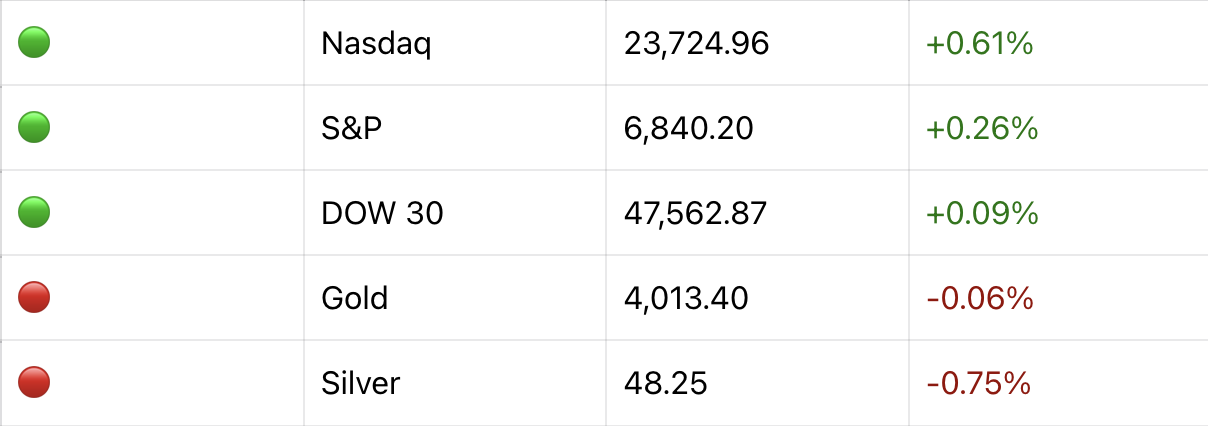
MARKET HEADLINES
💊 AbbVie beat Q3 estimates and raised its 2025 earnings forecast, driven by strong immunology and neuroscience sales, even as Humira and aesthetics revenue declined.
📉 SPS Commerce stock plunged 31% after weak revenue guidance and Amazon policy changes disrupted its revenue recovery platform and outlook.
🪙 Bitcoin and other major cryptocurrencies ended a volatile October in the red, as inflation worries and Fed uncertainty kept crypto ETF investors cautious.
📉 Wall Street is hitting stocks hard for underwhelming earnings, as richly valued giants like Meta, Chipotle, and Microsoft suffer sharp declines on even minor misses.
💾 Western Digital shares surged after smashing earnings expectations and guiding higher, fueled by booming demand for AI-driven data storage hardware.
🤖 Nvidia stock rose after Amazon announced big AI infrastructure investments and South Korean partnerships, highlighting ongoing chip demand and global expansion.
📈 Amazon and Apple bounced back from being the weakest of the ‘Magnificent Seven’ with strong earnings, easing AI and tariff concerns and reigniting investor confidence.
🎬 Netflix may enter a bidding war for Warner Bros. Discovery’s streaming and studio assets, in a move that could reshape the media landscape and boost its IP library.
🌏 Trump and Xi struck a temporary trade truce, easing rare-earth controls and cutting tariffs, but left major issues unresolved as both sides jockey for leverage.
⚙️ MP Materials stock rose after Trump and Xi agreed to defer rare-earth export restrictions, giving the U.S. time to build domestic supply chains amid long-term decoupling.
Tech Titans Lift Markets as Apple and Amazon Restore Investor Confidence
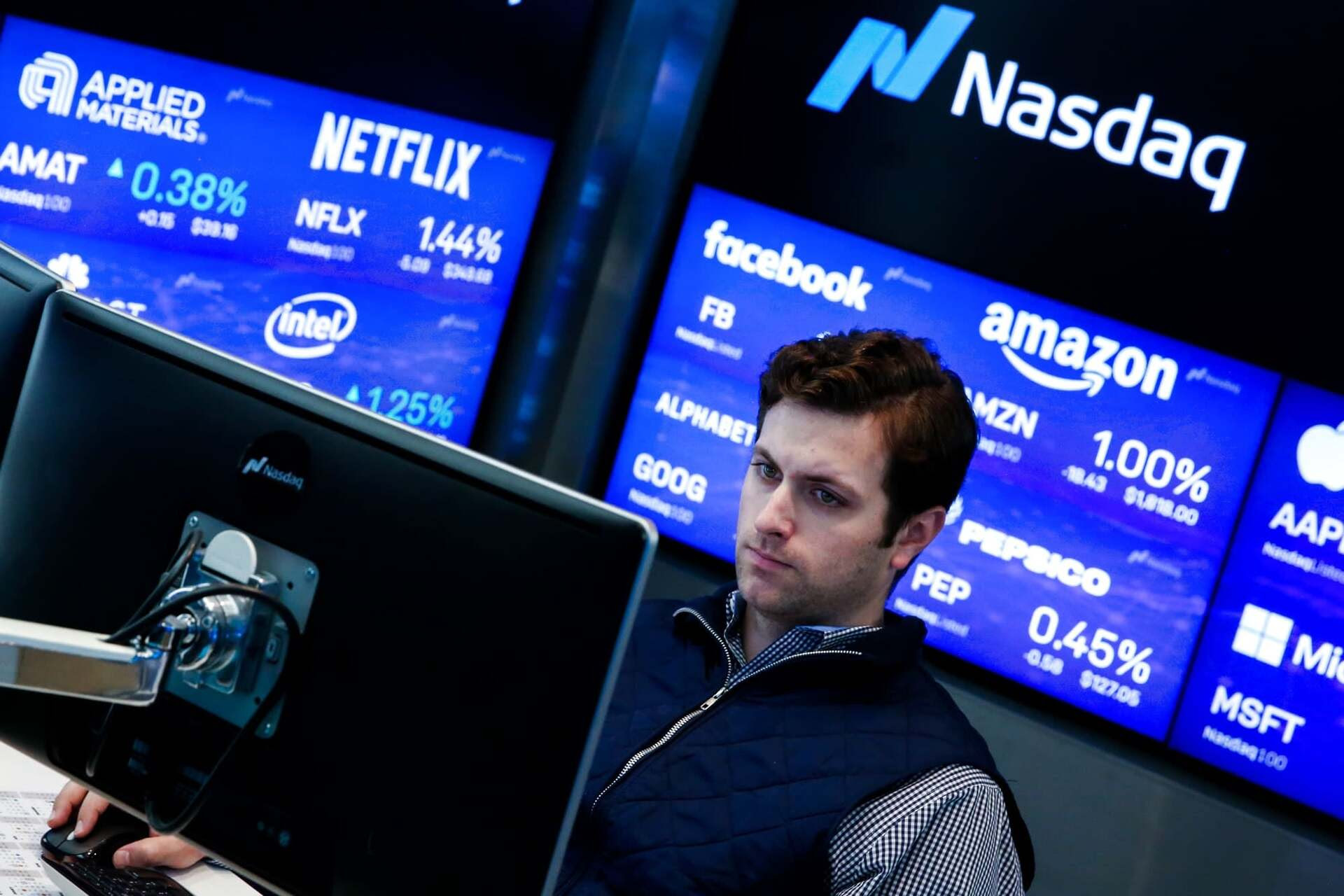
Wall Street snapped back Friday as Apple and Amazon delivered blockbuster earnings that revived enthusiasm for Big Tech, sending the Nasdaq up 1.3% and the S&P 500 up 0.6%, with the Dow barely budging.
Amazon stock soared 12% after its cloud business surged 20%, signaling a rebound in enterprise spending.
Apple also beat expectations and delivered strong holiday quarter guidance, lifting its shares despite ongoing supply chain pressures.
The rally followed Thursday’s rout triggered by Meta’s 11% plunge over ballooning AI spending, which had cast doubt on the sector’s profitability.
But Friday’s results flipped the sentiment, reassuring investors that Big Tech still has gas in the tank.
Meanwhile, Nvidia shares rose nearly 2% on news it will supply 260,000 AI chips to South Korea, marking a major expansion in Asia amid a delicate U.S.-China trade truce.
CEO Jensen Huang expressed optimism about selling the company’s top-tier Blackwell chips into China under new rules.
Investors now turn to fresh commentary from Federal Reserve officials, hoping for clarity after a week of mixed signals on rate cuts.
With Big Tech back in the driver’s seat, markets ended the week on firmer footing—at least for now.
STOCKS 2 WATCH
↗️ Amazon: Shares surged 12% in premarket trade after the e-commerce titan revealed stronger-than-expected AI-driven revenue growth and outlined major expansions in its data-center infrastructure.
↗️ Reddit: The social platform rallied 12% before the bell as rising ad demand across various sectors helped drive a significant jump in quarterly profit.
↗️ Western Digital: Fueled by rising data-center demand and AI momentum, the storage company reported a more than twofold profit increase. Shares climbed 11% premarket.
↗️ Strategy: The crypto-focused treasury firm jumped 7% in early trading after swinging to a profit and disclosing it held over 640,000 bitcoin at the end of October.
↗️ Netflix: Shares climbed more than 3% after the streaming giant’s board approved a 10-for-1 stock split, aiming to make the stock more accessible to retail investors.
↗️ Apple: With record-breaking sales and a bullish outlook for the December quarter, fueled by strong demand for the iPhone 17, the tech giant saw its stock rise around 2% premarket.
↗️ Coinbase Global: The crypto exchange posted higher revenue and profit on the back of improved trading activity and a growing asset base. Shares rose 5% before the open.
↗️ Nvidia: The chipmaker gained 1.8% premarket after announcing major deals in South Korea, including one with Samsung, to roll out over 250,000 chips across the nation.
🔎 Walt Disney: The entertainment conglomerate faced fresh distribution trouble as its channels, including ESPN and ABC, disappeared from YouTube TV following a contract dispute. Disney shares were mixed, while Alphabet, Google’s parent, edged higher.
Fact of the Week
The U.S. bond market quietly outweighs the stock market—tens of trillions across Treasuries that fund Uncle Sam, mortgage bonds that set your 30-year rate, corporate and muni debt that finance factories and subways—so a tiny wiggle in the 10-year yield can instantly raise government interest costs, reshape housing affordability, rerate equity valuations, and ricochet through bank balance sheets and CEO spending plans.
ECONOMY
Powell Throws Cold Water on Wall Street’s Rate-Cut Party
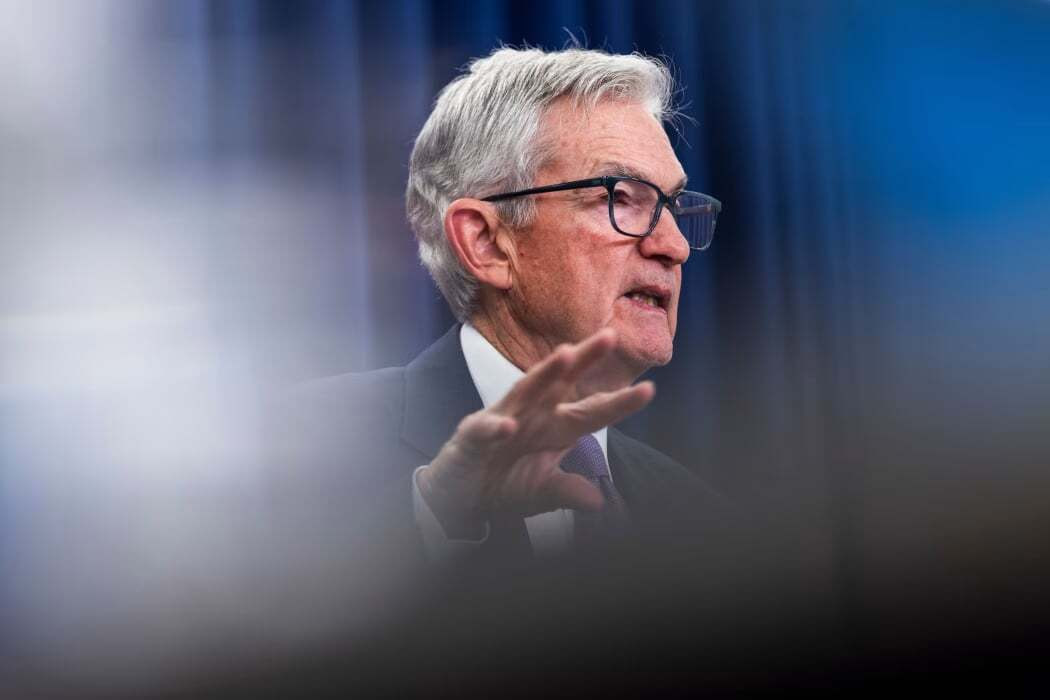
Well, the Fed just reminded everyone that it’s not here to hand out free money like it’s 2021.
Jerome Powell came right out and said what most bureaucrats would bury in footnotes: a December rate cut? “Far from it.”
Turns out the Fed’s top brass is split down the middle, with some hawks wanting no cut at all, and others practically begging for a bigger one.
The issue? The economy’s giving off mixed signals—consumer spending is humming, but job growth is running on fumes, with Powell admitting we’re flirting with zero net new jobs.
Some Fed officials are blaming AI and immigration policy shifts for throwing a wrench into the labor market, while others say it’s just plain old demand cooling off.
Meanwhile, inflation’s still sticky, and the government shutdown has made reliable data about as rare as a bipartisan bill.
And just to add more fun, major employers like Amazon and Target are announcing big layoffs. But hey, no big deal, right?
Well, Powell’s message to Wall Street is clear—stop pricing in a sure thing for December.
The Fed’s not out of ammo, but it’s thinking hard before firing another rate cut.
Economic Headlines
🧾 The SEC’s move to allow mutual fund share classes of ETFs could quietly revolutionize 401(k) plans by giving millions access to ETF strategies through familiar retirement structures.
📉 Payroll processor stocks like Paycom and Paylocity are sliding sharply, signaling potential cracks in the labor market as layoffs rise and key employment indicators flash red.
💊 Novo Nordisk’s aggressive $6B bid for Metsera ignites a pharma showdown with Pfizer, raising antitrust concerns and political risks as Trump pushes for lower obesity drug prices.
🌱 Trump’s China soybean deal may sound big, but it largely restores pre-trade war levels, offering little new ground for U.S. farmers amid growing Chinese reliance on Brazil.
🏠 Mortgage rates unexpectedly jumped after the Fed’s rate cut, as Powell’s cautious tone on future cuts spooked markets and left buyers navigating economic uncertainty.
💸 Treasury yields spiked and October gains vanished after Powell cast doubt on more rate cuts, jolting bond markets and highlighting how sensitive investors remain to Fed guidance.
🏦 Despite rapid growth, private credit isn’t a bubble but a structural shift in finance, with disciplined lending filling the void left by retreating banks and tighter regulations.
🤖 Oil-rich Gulf nations are making a bold AI play with massive U.S. partnerships and chip investments, but face questions about sustainability, security, and tech self-sufficiency.
🇪🇺 The European Central Bank held rates steady again, with stable inflation and solid GDP growth putting it on a very different trajectory than the Fed’s cautious easing.
🔍 Markets were left frustrated as Big Tech earnings, a Fed rate cut, and U.S.-China trade talks all failed to offer clear direction, amplifying uncertainty heading into year-end.
Trivia
Which role do primary dealers play in the U.S. Treasury market?
A. They set coupon rates for new issues
B. They are required to bid at Treasury auctions and make markets
C. They guarantee all Treasury debt
D. They only trade in off-the-run bonds
E. They regulate broker-dealers
Scroll for the answer
BUSINESS
Amazon’s Big Tech Flex: Cutting Jobs, Printing Cash, and Betting the Farm on AI
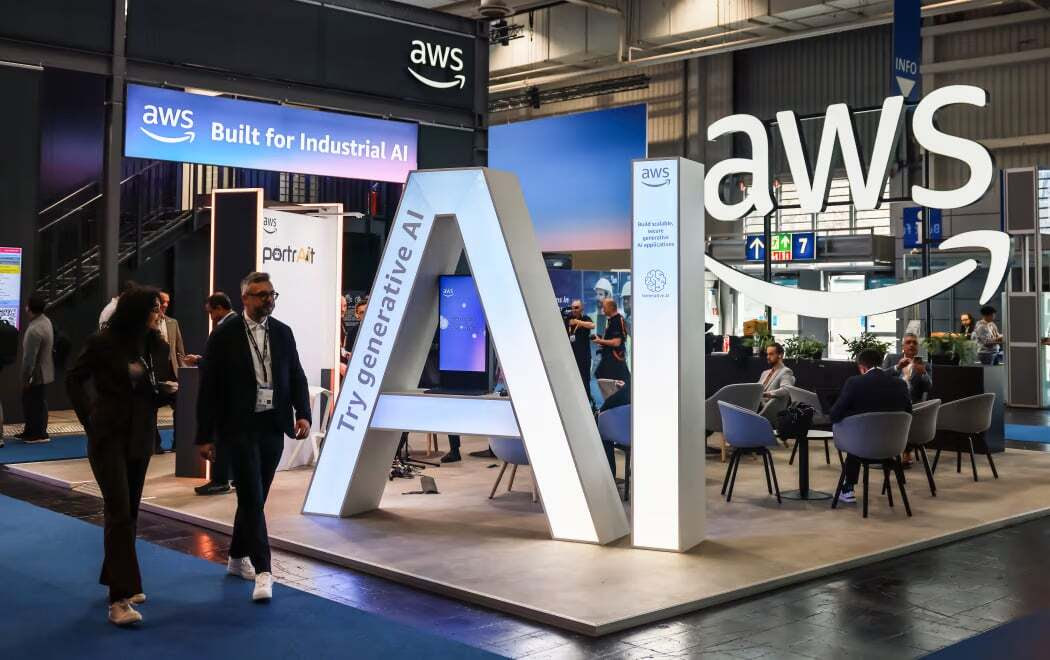
Well, would you look at that—Amazon just reminded Wall Street who’s boss.
The company posted a 13% revenue jump to a whopping $180 billion and a fat 39% profit boost, all while laying off 14,000 white-collar workers.
Talk about trimming the fat and still bringing home the bacon. Shares shot up over 10% because investors just can’t resist a company that fires thousands but still makes bank.
The real kicker? Amazon Web Services grew 20%—its fastest clip since 2022—even though Microsoft and Google bragged louder with their own cloud numbers.
CEO Andy Jassy basically told them to calm down, because Amazon’s growing from a much bigger pile.
Plus, they’re spending like drunken sailors on AI and data centers—$125 billion this year alone—yet they’re still making money faster than they can build servers.
Even with a $2.5 billion FTC shakedown and all those layoffs, Amazon’s forecasting up to $26 billion in operating profit next quarter.
They’re automating warehouses, dodging tariffs, and somehow still delivering stuff to rural America in record time.
Honestly, if this is what “lagging in AI” looks like, then keep lagging.
Answer
Which role do primary dealers play in the U.S. Treasury market?
C. They are required to bid at Treasury auctions and make markets
Primary dealers—approved by the New York Fed—must submit bids at auctions and provide two-way quotes in the secondary market.
This obligation supports liquidity and reliable distribution of U.S. government debt, especially during volatile periods.