With no real data and credit cracks widening, investors keep celebrating—because denial’s the only thing left to trade

Dear Friend,
With the government still on mute and official data MIA, Wall Street’s running on earnings, vibes, and a whole lot of hope.
Luckily for the bulls, Q3 came in hot—Intel, Coke, 3M, and GM all crushed it, because nothing says “robust economy” like mega-profits while regular folks are googling “cheapest protein alternatives.”
Credit markets are flashing warnings, regional banks had a mini freakout, and yet the S&P is partying like it’s pre-pandemic.
Keep reading this edition of the Everlasting Wealth Insider Report to see who’s winning, who’s pretending, and whether Intel’s comeback is the real deal—or just government-funded déjà vu.
Jeremy Blossom
Editor in Chief, Everlasting Wealth
MARKETS
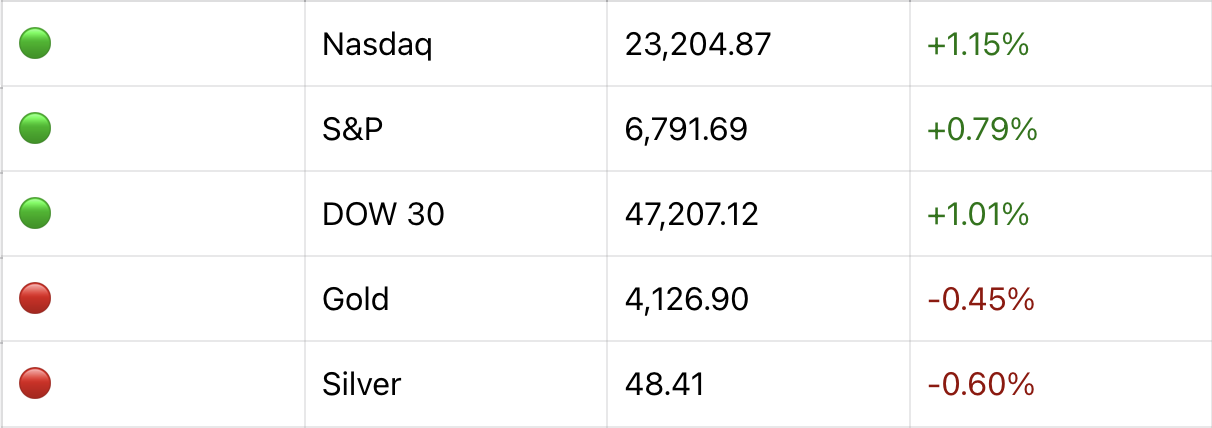
MARKET HEADLINES
📈 Nextracker stock surged 14% after an earnings beat and the announcement of a Saudi joint venture, while the company raised revenue guidance and tightened its profit outlook.
🛩️ General Dynamics stock rose after strong Q3 results, with aerospace leading revenue growth and a robust $19.3 billion in new orders lifting its book-to-bill ratio.
📉 Despite a 40% drop in quarterly profit, Tesla stock bounced as investors focused more on its long-term robo-taxi and AI prospects than short-term results.
💼 Procter & Gamble topped earnings expectations and reaffirmed its 2026 outlook, but warned of higher-than-expected tariff costs impacting margins.
💻 Nvidia shares edged higher as Intel’s upbeat earnings and strong chip demand boosted confidence in the sector, even as debt-funded AI investments raise some concerns.
🥾 Deckers Outdoor stock plunged 12% after soft Ugg sales and weak guidance, with analysts concerned about a cautious consumer and margin pressure.
🧠 Intel stock climbed after delivering strong Q3 results and forecasting sustained chip demand into 2026, driven by corporate PC and server upgrades.
⚡ Rivian is laying off about 4.5% of its workforce amid slower EV demand and the loss of key tax credits, reflecting broader struggles across the U.S. auto sector.
☁️ Microsoft’s upcoming earnings could reignite its stalled stock as investors look to Azure’s AI-powered growth to push it past recent underperformance.
💰 Dividend stocks are gaining new appeal not just for income but for portfolio diversification, as more investors reinvest payouts and seek high-quality value names.
No Data? No Problem Earnings Keep Wall Street in Denial Mode

With the government still shut down and official economic data locked behind bureaucratic doors, investors have had to go full MacGyver—relying on earnings reports, anecdotes, and vibes.
And right now? The vibes are surprisingly upbeat.
Turns out, strong Q3 earnings from Intel, Coke, 3M, GM, and even Las Vegas Sands have given jittery investors a reason to keep the rally alive.
Nearly 86% of S&P 500 companies reporting so far have beaten expectations—because nothing says “healthy economy” like billion-dollar corporations thriving while consumers drown in steak and gas prices.
Sure, there’s a growing stink from the credit markets—what with bankrupt auto lenders and fraud-ridden real estate loans—but the bulls are calling it all “non-systemic.”
Meanwhile, spreads are ticking up, regional banks had a mini panic, and yet the S&P 500 is still climbing like it’s 2019 all over again.
Wall Street’s pretending everything is fine because earnings are shiny and there’s no government data to say otherwise.
It’s like betting big at the casino while the power’s out—you don’t really know what’s going on, but hey, you’re on a roll.
STOCKS 2 WATCH
↗️ Intel: The chip giant surged over 8% in premarket trading after delivering strong sales in its core PC processor division and managing to trim operating costs.
↘️ Deckers Outdoor: Shares sank more than 10% as the company issued a cautious full-year outlook, warning that consumer spending may weaken further amid the growing impact of tariffs.
↗️ Semiconductor Manufacturing International Corp, Cambricon Technologies: Chinese chipmakers jumped sharply after the Communist Party outlined a new five-year plan focused on advancing domestic tech self-sufficiency.
↗️ Ford Motor: The automaker cruised past expectations, with booming sales driving a 2.5% gain in shares before the bell.
↘️ Newmont: Despite reporting increased third-quarter revenue and profit fueled by higher gold prices, the mining company’s shares dropped 7% in early trading.
🔎 Target: The retail giant saw a modest premarket uptick following a report that it plans to eliminate around 1,800 corporate jobs to reshape its strategic direction.
↗️ Saab: Shares climbed more than 4% in Sweden after the defense firm lifted its full-year sales forecast, supported by a swelling order backlog amid rising global military spending.
Fact of the Week
Even though the U.S. economy is famously capitalist, about one-third of its GDP actually comes from government spending—covering everything from salaries of public workers and infrastructure projects to Social Security and defense budgets—so when consumer or business activity slows, Uncle Sam’s checkbook often acts as the “hidden stabilizer” that keeps America’s economic engine humming.
ECONOMY
Heartland Factories Heat Up Just in Time for a Rate Cut?
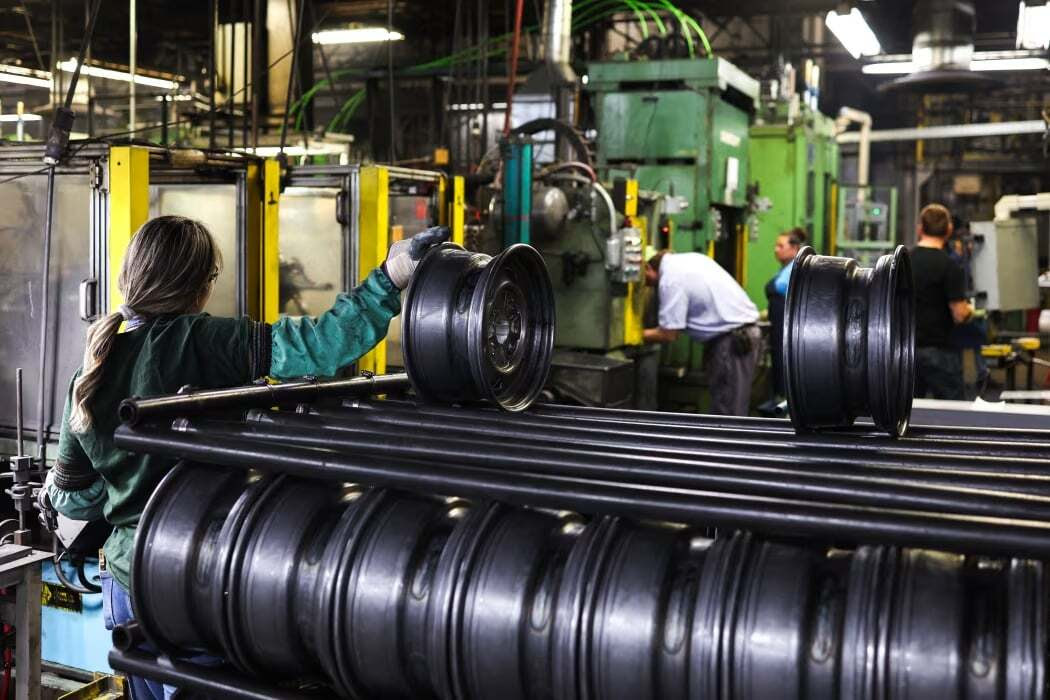
Well, it looks like someone forgot to tell Middle America that manufacturing was supposed to be dead.
Factory activity in the central U.S. just expanded for the fourth month in a row—after more than three years of contraction—according to the Kansas City Fed.
The October reading came in at 6, beating Wall Street’s meager expectations of 3. Guess the Rust Belt’s got a little more shine than the experts thought.
Production, new orders, and shipments are all ticking up, and companies are actually optimistic about the next six months.
Imagine that—confidence in the economy without a government handout attached.
Meanwhile, price growth is inching higher again, just to keep things interesting while the Fed debates whether to cut rates.
Of course, the big boys on Wall Street are too busy drooling over AI stocks to notice the comeback happening in flyover country.
But out here, where people still make things, it looks like manufacturing isn’t going down without a fight.
Economic Headlines
📈 Trump’s upcoming meeting with Xi Jinping sparks stock market optimism and fuels hopes for a U.S.-China trade deal despite tensions with Canada.
💻 Intel beats earnings forecasts as surging PC and server demand outpaces supply, with government investments and corporate upgrades driving momentum.
⚡ Rivian slashes 4.5% of its workforce as EV demand lags, tax credits expire, and profitability remains elusive across the electric vehicle sector.
🏛️ Billionaires, tech giants, and crypto moguls are footing the $300 million bill for Trump’s lavish new White House ballroom amid questions of donor influence.
🏠 Housing supply is set to rise and mortgage rates to moderate, offering more negotiating power to buyers in a slowly stabilizing real estate market.
🍬 Candy prices are spiking this Halloween due to cocoa inflation and tariffs, forcing many consumers to downsize their sweet treats.
🏢 Trump’s equity-stake industrial policy marks a new era of American state capitalism, blending national security with government-backed investing.
📊 Markets rallied as inflation data nears, with investors betting that moderate price growth will push the Fed to cut interest rates next week.
🇨🇳 China’s new five-year plan prioritizes tech self-sufficiency and advanced manufacturing, signaling deeper U.S.-China competition ahead.
🛢️ Trump’s sanctions on Russian oil giants aim to reshape global energy dynamics but could squeeze China’s crude supply and escalate trade tensions.
Trivia
In U.S. equity market data, what is the National Best Bid and Offer (NBBO) intended to provide?
A. The average price of the last 100 trades
B. The single official closing price
C. The highest displayed bid and lowest displayed offer across venues
D. The price used for all retail executions
E. The guaranteed price for institutional blocks
Scroll for the answer
BUSINESS
Intel’s Back in the Game—With Help From Uncle Sam and Wall Street”
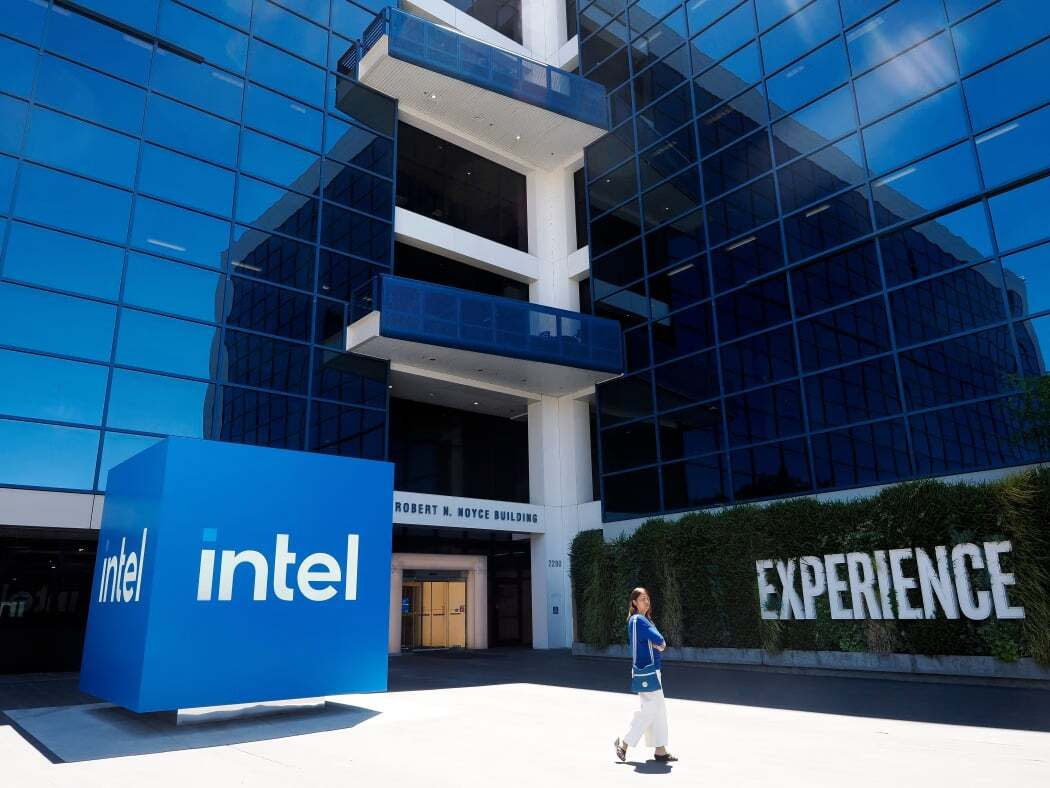
Well look who’s alive and kicking—Intel just posted a $4.1 billion profit in Q3, snapping its six-quarter losing streak like a twig.
After years of falling behind Nvidia and AMD in the AI arms race, the old chip king is showing signs of life—thanks in part to, well, a $9 billion government bailout disguised as an “equity stake” and some heavy-duty investment from Nvidia and SoftBank.
Turns out demand for PC chips is hotter than expected (guess everyone’s finally ditching those ancient work laptops), and Intel’s cost-cutting spree is working—slashing 13% of its staff in just one quarter and down 29% from a year ago. Brutal, but effective.
And while Intel’s foundry business is still bleeding cash, at least it’s not hemorrhaging like before—losses were cut in half, and they’re talking big about their role in the AI inference boom.
GPUs are sexy, but CPUs like Intel’s might actually run your everyday AI without setting your power bill on fire.
Sure, challenges remain, but with the feds backing them and Nvidia throwing $5 billion their way, Intel’s looking less like a tech dinosaur and more like a comeback story in the making.
Answer
In U.S. equity market data, what is the National Best Bid and Offer (NBBO) intended to provide?
C. The highest displayed bid and lowest displayed offer across venues
NBBO aggregates the top of book from exchanges/venues to ensure best-priced displayed liquidity is visible to all.
It underpins best-execution obligations and routing, even though some hidden or odd-lot quotes may sit outside the displayed NBBO.