
Dear Friend,
Elon Musk just threw down a $97.4 billion bid to take over OpenAI, turning his feud with Sam Altman into a full-blown Silicon Valley power struggle.
Meanwhile, Trump just slapped a 25 percent tariff on steel and aluminum imports—no exceptions this time—which means global trade is about to get a lot more interesting.
Chevron is ditching California for Texas, proving once again that businesses prefer states that actually want them around.
And if private equity firms get their way, your 401(k) could soon include riskier, less-liquid investments—because Wall Street always finds a way to win.
Oh, and tax season is here.
The IRS made some changes that could save you money—if you know where to look.
Let’s break it all down in this edition of the Everlasting Wealth Insider Report.
Jeremy Blossom
Editor in Chief, Everlasting Wealth
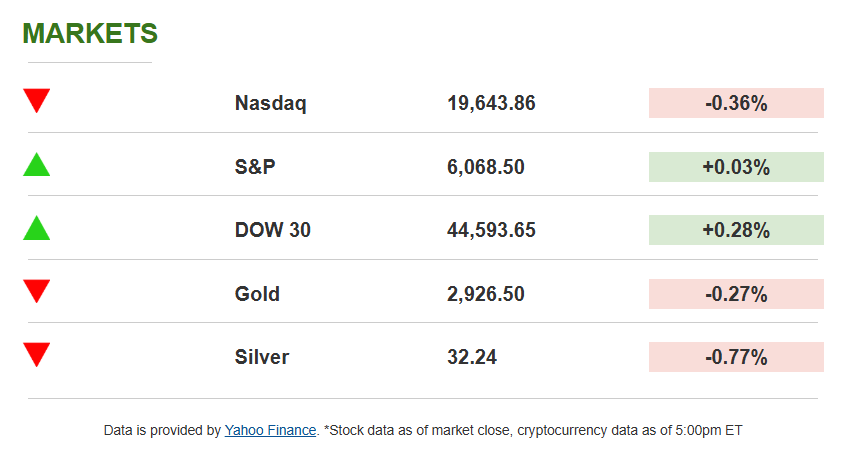
MARKET HEADLINES
📈 DuPont stock jumped 4.9% after posting strong earnings and a better-than-expected 2025 outlook, reinforcing investor confidence ahead of its planned company split.
📉 BP’s earnings hit a four-year low, but activist investor Elliott Management’s stake is fueling speculation of a major strategic shake-up.
📊 XRP and Bitcoin prices rose ahead of a key inflation report, with investors eyeing potential Federal Reserve rate decisions that could impact crypto markets.
📉 Tesla stock fell as Elon Musk’s unsolicited $97 billion bid for OpenAI raised investor concerns about his growing distractions from Tesla’s core business.
📉 Nvidia stock dipped as Musk’s bid for OpenAI created uncertainty around the AI giant’s leadership in the $500 billion Stargate Project, where Nvidia is a key technology partner.
Elon Musk Just Tried to Buy OpenAI—And Sam Altman Clapped Back
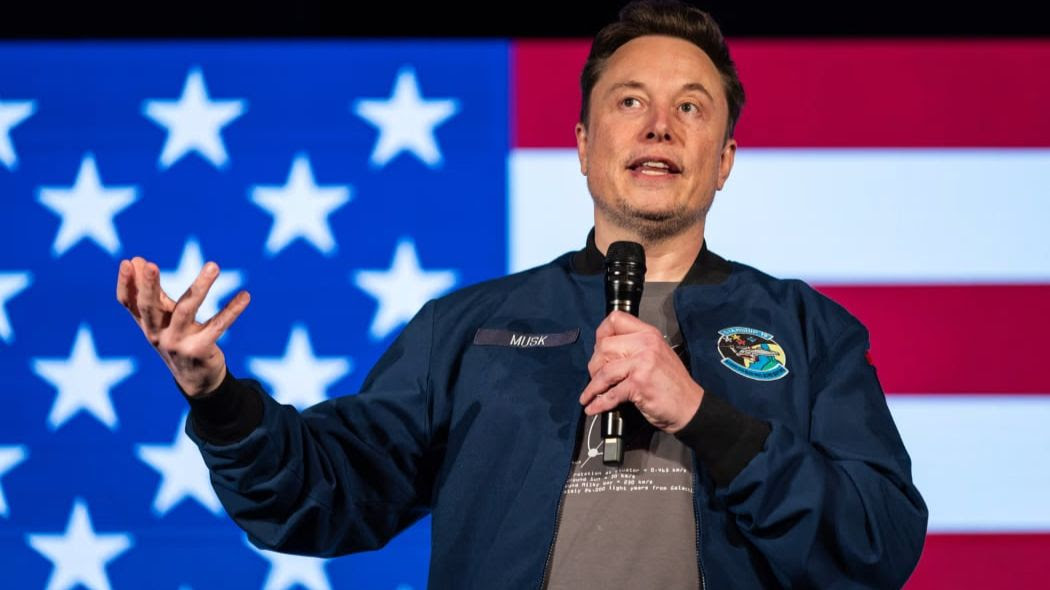
Elon Musk isn’t done feuding with Sam Altman—now he’s making a $97.4 billion bid to take control of OpenAI, the company behind ChatGPT.
Musk’s move throws a wrench into Altman’s plan to turn OpenAI into a for-profit giant, especially as it seeks $500 billion for AI infrastructure.
Altman wasted no time mocking Musk’s offer, joking he’d buy Twitter back for $9.74 billion instead.
Meanwhile, Musk’s investor group—backed by big names like Palantir’s Joe Lonsdale and Ari Emanuel—says they’ll match any higher offers to keep OpenAI’s nonprofit from getting shortchanged.
The real battle here?
Who controls the future of AI—and it’s looking more like a Silicon Valley power struggle than an innovation.
STOCKS TO WATCH
↗️ Phillips 66: The oil refiner’s shares climbed in premarket trading after activist hedge fund Elliott disclosed a stake and pushed for the company to sell or spin off its midstream business.
↗️ Cleveland-Cliffs: The steel producer’s stock surged nearly 18% on Monday and continued gaining Tuesday, as indications grow that former President Trump is serious about imposing steep tariffs on imported steel and aluminum next month.
↘️ Tesla: After nearly doubling post-election, Tesla shares have tumbled 27% and were down again in premarket trading, showing that even close political ties have their limits.
🔎 Meta Platforms: The parent company of Instagram and Facebook has been on an impressive run, rising for 16 consecutive trading sessions—outperforming the rest of the “Mag 7” tech stocks. Will it make it 17?
This Day in the Markets
📈 On this day in 2013, the Dow Jones Industrial Average closed at 14,018, its highest level since the 2008 financial crisis, as investor confidence strengthened due to steady economic recovery, robust corporate earnings, and continued Federal Reserve support through low interest rates and accommodative monetary policies, fueling optimism that the U.S. economy was on a path to sustained growth.
ECONOMY
Trump’s Steel Tariffs Hit the World—And He’s Just Getting Started
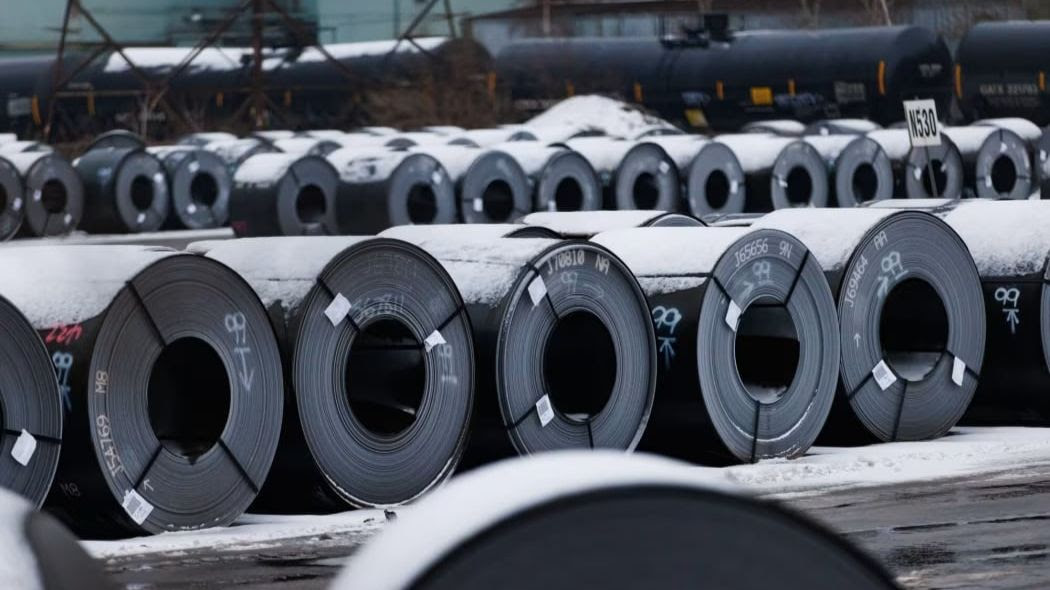
Trump just slapped a 25% tariff on all steel and aluminum imports, and this time, no one gets a free pass—not Canada, not Mexico, not even Japan and South Korea.
“No exceptions, no nothing,” he declared, making it clear this is about protecting American industry from foreign subsidies, especially China’s.
U.S. steelmakers are celebrating, but manufacturers who rely on steel?
Not so much.
Meanwhile, other countries are threatening retaliation, because that’s how trade wars go.
And if you think this stops at steel, think again—Trump is already eyeing tariffs on semiconductors, cars, and pharmaceuticals next.
Buckle up, global trade just got a whole lot more interesting.
ECONOMY HEADLINES
📉 Trump’s 25% steel and aluminum tariffs could raise car prices by up to $2,000, adding pressure to automakers already facing declining profits.
📈 Zillow stock is surging ahead of earnings as analysts bet on a housing market rebound, despite high mortgage rates and affordability concerns.
📉 Trump’s escalating tariffs on global trade partners, including China, Canada, and Japan, are fueling market uncertainty as investors assess potential economic fallout.
⚖️ A federal judge extended the pause on the Trump administration’s mass federal employee buyout plan, siding with unions challenging its legality.
🚫 Trump is set to pause enforcement of the Foreign Corrupt Practices Act, raising concerns about weakening anti-bribery laws that have shaped global corporate compliance.
BUSINESS
Chevron Breaks Up with California—And Heads for Greener (Oil-Friendly) Pastures

After 140 years, Chevron dumped California and is moving its headquarters to Texas, where oil isn’t treated like the enemy.
CEO Mike Wirth tried to give Gov. Gavin Newsom a heads-up, but Newsom basically ghosted him, proving just how sour the relationship had gotten.
California’s aggressive climate policies, high gas prices, and endless lawsuits against Big Oil pushed Chevron to finally call it quits.
Now, the state is left with fewer refineries, higher fuel costs, and a shrinking oil industry, while Texas welcomes Chevron with open arms.
With Trump back in office and looking to roll back California’s EV mandates, the battle over energy isn’t just economic—it’s political.
Who wins?
The states that actually want businesses to stick around.
RETIREMENT
Private Equity in Your 401(k)? Read This Before You Buy In

With private equity firms eyeing the $9 trillion 401(k) market, you might start seeing alternative investments in your retirement plan.
The pitch?
Higher returns and diversification.
The catch?
Illiquidity, high fees, and unpredictable performance.
While some private investments have outperformed the stock market, recent data suggests the advantage is shrinking—and once your money is tied up, good luck getting it back quickly.
If you’re nearing retirement, locking up funds in illiquid assets could be a costly mistake.
The bottom line?
Do your homework before adding private equity to your retirement portfolio—because Wall Street always wins, but will you?
Trivia
Which U.S. stock market index is most commonly used as a benchmark for the overall performance of the U.S. economy?
A. Dow Jones Industrial Average (DJIA)
B. Nasdaq Composite
C. S&P 500
D. Russell 2000
E. Wilshire 5000
Scroll for the answer
TAXES
Tax Season 2025: Don’t Miss These New Deductions & Credits
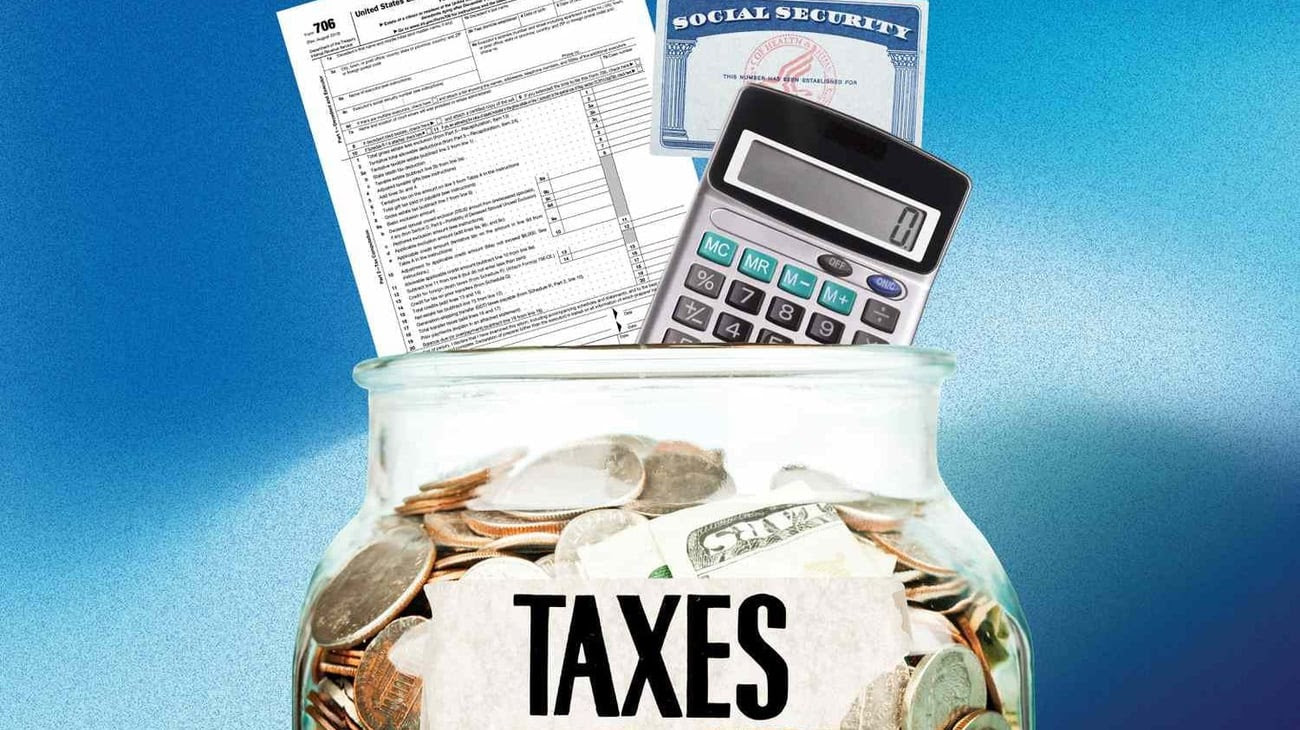
The IRS has rolled out new tax changes that could save you money—but only if you know where to look.
If you were impacted by natural disasters, you may qualify for extended deadlines and bigger refunds.
Bought an electric vehicle in 2024?
You could be eligible for up to $7,500 in tax credits—but watch out, because income limits apply.
Plus, don’t forget about education credits, childcare deductions, and overlooked green energy tax breaks.
The key to keeping more of your money?
Get organized, know your deductions, and don’t file too early if you’re waiting on key documents.
The IRS isn’t going anywhere—but your refund will if you don’t claim what’s yours.
Answer
Which U.S. stock market index is most commonly used as a benchmark for the overall performance of the U.S. economy?
C. S&P 500
The S&P 500 is the most widely used benchmark for the overall U.S. stock market and economy.
It tracks 500 of the largest publicly traded companies across various sectors, providing a broad and balanced view of market performance.
While the Dow Jones Industrial Average (DJIA) is one of the oldest indexes, it only includes 30 blue-chip companies, making it less representative.
The Nasdaq Composite is heavily weighted toward technology stocks, while the Russell 2000 focuses on small-cap companies.
The Wilshire 5000 is the most comprehensive index but is less commonly used as a benchmark.