
Dear Friend,
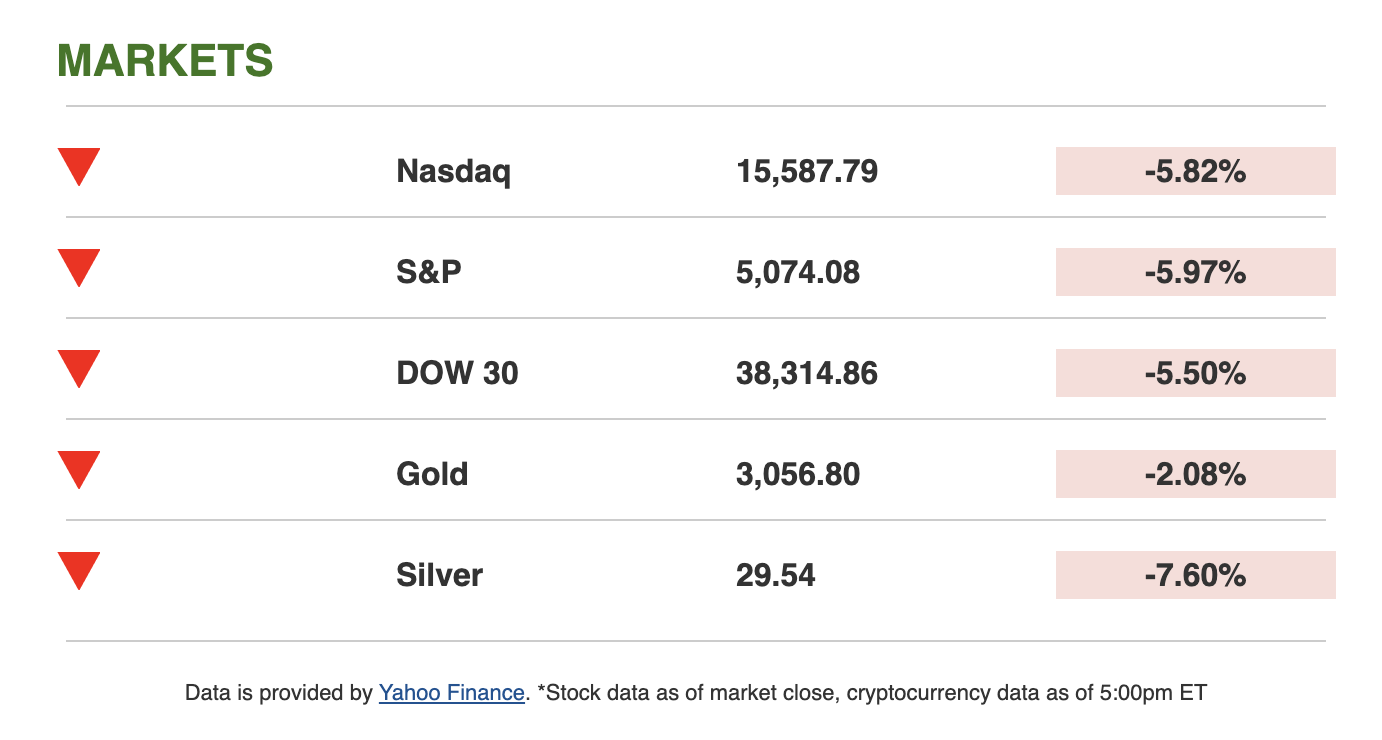
Trump’s latest tariff drop gave Wall Street a scare—cue a 5 percent market slide—but seasoned investors didn’t flinch, In fact, many saw it as a golden buying opportunity.
With full employment, energy independence, and a rock-solid services sector, America’s fundamentals are still flexing strong.
And if history tells us anything, dips like these often lead to big gains for the patient (and the bold).
Meanwhile, Deloitte’s getting a reality check as the federal government tightens the belt.
After years of cashing in on buzzwords and bloated contracts, Uncle Sam’s asking for receipts—and Deloitte’s suddenly downsizing.
Let’s break it all down in this edition of the Everlasting Wealth Insider Report.
Jeremy Blossom
Editor in Chief, Everlasting Wealth
MARKET HEADLINES
📈 GameStop stock jumps after CEO Ryan Cohen boosts his stake with a $10.8M share purchase, reigniting meme-stock momentum despite weak fundamentals.
⚠️ JPMorgan raises the odds of a U.S. recession to 60% after Trump’s sweeping tariffs, warning of inflation, GDP contraction, and global economic fallout.
🪙 Crypto prices drop as U.S.-China trade tensions intensify, with Bitcoin potentially dipping below $76K amid rising market volatility and weak sentiment.
🇨🇳 Tesla shares tumble after China slaps 34% retaliatory tariffs, threatening demand and branding in one of its most critical markets.
🧨 Trump claims tariffs will trigger a stock market boom, but global retaliation, GOP pushback, and rising household costs cast doubt on his bullish prediction.
💻 Nvidia stock plunges amid escalating trade war fears, though analysts say its critical AI role could shield it from direct tariff exposure.
🧓 Financial advisors urge retirees not to panic-sell after the market rout, emphasizing diversification, cash reserves, and a long-term view.
🛡️ Chaos-resistant fund portfolios with gold, bonds, and global diversification gain attention as Trump’s unpredictability rattles investors.
🛍️ Market dips like Thursday’s 5% plunge may be buying opportunities for long-term investors with discipline and a strong time horizon.
🚘 Rumors of Elon Musk stepping back from DOGE lift Tesla stock temporarily, as investors weigh leadership focus amid falling deliveries and rising tariffs.
Why Trump-Era Market Dips Could Be the Best Buying Opportunity Yet
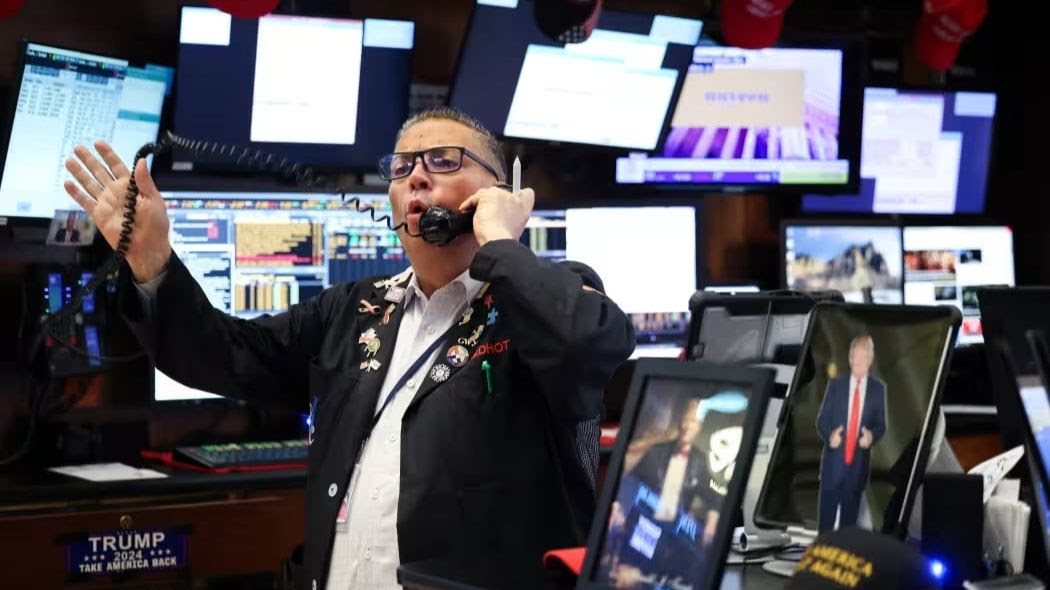
Markets may have tumbled after President Trump’s new tariff announcement, but seasoned investors aren’t hitting the panic button—they’re cracking open their wallets.
Thursday’s 5% selloff rattled Wall Street, yet many see the downturn as a buying opportunity, not a catastrophe.
With America’s economy still boasting full employment, energy independence, and a resilient services sector, the U.S. remains a haven for long-term capital, even amid global jitters.
Financial pros point to past crashes—from 2008 to COVID—as proof that dips often precede outsized gains for those who stay the course.
While short-term sentiment may wobble as the tariff plan unfolds, smart money is betting that the fundamentals—and the Trump administration’s pro-growth, pro-industry posture—will power American markets through the storm.
STOCKS TO WATCH
↘️ RH: The luxury furniture retailer’s CEO dropped an “Oh sh*t” during the company’s earnings call—just as tariff news hit from the Rose Garden. He had reason: RH shares plunged 40% Thursday and dipped further in early trading.
↗️ Kroger: Bucking Thursday’s downward trend, the grocery chain’s shares rose as it remains largely shielded from tariff fallout. As consumers tighten spending, a shift from dining out to home cooking could work in Kroger’s favor.
↘️ Ford: Tariff backlash continues to batter U.S. automakers. Ford shares are sinking again as retaliatory measures loom, threatening to raise prices on both imported and domestic vehicles.
↘️ Bloomin’ Brands: Even though those iconic Outback Bloomin’ Onions aren’t imported, tariffs could still hurt. As households cut back on small luxuries like dining out, shares of the casual dining chain fell 8% Thursday.
↘️ HSBC: The tariff-driven selloff hit European banks hard, and HSBC wasn’t spared. The stock has now tumbled roughly 15% since Wednesday, with losses continuing into Friday morning.
This Day in the Markets
📈 On this day in 2020, the Dow Jones Industrial Average soared more than 1,600 points—its third-largest single-day point gain at the time—as early signs of slowing COVID-19 infection rates in U.S. hotspots like New York gave investors hope that the worst of the pandemic might be nearing an end; the surge was also fueled by optimism around aggressive fiscal stimulus, Federal Reserve support, and potential progress toward reopening parts of the economy.
ECONOMY
Trump’s Economic ‘Shock Therapy’: Finally, Someone’s Got the Guts to Put America First
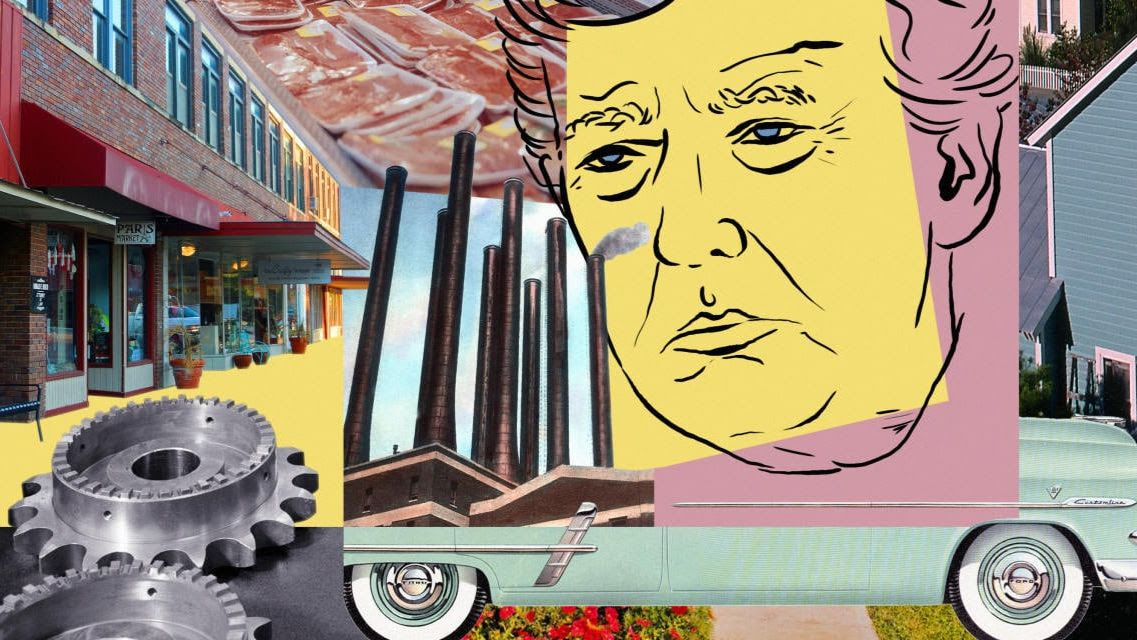
Trump just dropped the tariff hammer, and Wall Street threw a fit like a toddler losing its juice box.
He’s finally doing what every president should’ve done decades ago—standing up for American workers instead of bowing to China, Mexico, and whoever else wants a free ride.
The stock market dipped (cue the usual media meltdown), but that’s the price of actually fixing the mess globalists left us in.
Trump’s not playing small ball—he’s talking about bulldozing dead factories and building brand-new ones right here at home.
And yeah, he knows it’ll sting a bit at first, but he’s thinking long-term—jobs, families, real Made-in-America strength.
Liberals and economists are in a panic, which usually means he’s right on target.
This isn’t about short-term Wall Street profits—it’s about giving working Americans a shot again.
Honestly, it’s refreshing to see someone with a spine in the White House for once.
ECONOMY HEADLINES
🍷 Tariffs on foreign wine imports will raise prices for U.S. consumers and threaten hundreds of thousands of small American businesses dependent on international wine trade.
🇨🇳 China strikes back with 34% tariffs on all U.S. goods, escalating the trade war and warning of global economic instability.
🌍 Trump’s sweeping tariffs signal a shift away from the post-WWII global trade order, pushing countries to reassess alliances and investors to brace for prolonged disruption.
🧪 NIH funding delays and cancellations are crippling U.S. medical research, threatening innovation and driving scientists abroad.
🧭 Trump’s aggressive “Liberation Day” tariffs may pressure the Fed, risk a global recession, and deliver an unpredictable economic jolt.
🛡️ Defensive stocks like healthcare, utilities, and consumer staples show resilience as tariffs and recession fears batter the broader market.
🧾 Retail stocks nosedive on tariff shock, but off-price retailers and grocers like TJX, Ross, and Kroger emerge as rare winners.
🃏 With sweeping tariff powers under emergency laws, Trump holds unilateral control over trade policy, unchecked by Congress or markets.
🚨 Bank stocks plunge as fears of recession, declining loan demand, and rising delinquencies rattle financial markets.
💥 Markets reel from Trump’s harsher-than-expected tariffs, with analysts warning of economic self-sabotage amid rising volatility and global uncertainty.
Trivia
Which of the following best describes the U.S. dollar’s role in the global economy?
A. It is only used within U.S. borders
B. It is the most volatile major currency
C. It is the most commonly held foreign reserve currency
D. It is used mainly for trade with China
E. It is no longer relevant in international finance
Scroll for the answer
BUSINESS
Deloitte’s Consulting Cuts: Uncle Sam Wants Receipts, Not Excuses
Looks like Deloitte’s about to slim down its consulting crew thanks to the federal government finally acting like a responsible adult with the checkbook.
After years of these firms milking Uncle Sam dry with overpriced PowerPoint presentations and buzzword bingo, the GSA told them to either justify their contracts or kiss those fat deals goodbye.
Deloitte, with its bloated 173,000-person U.S. workforce, is now cutting staff—blaming it on too many employees actually sticking around.
Translation: they overhired during COVID, expected folks to leave, and now that no one’s quitting, they’re pulling the rug.
The gravy train of advisory work is slowing down as clients tighten up spending, and D.C. isn’t buying the “trust us, we’re consultants” act anymore.
Honestly, it’s about time someone started asking why it costs millions to get told things like “synergy” and “optimize your workflows.”
Maybe next time Deloitte should offer a government discount—buy one audit, get a consultant free.
Answer
Which of the following best describes the U.S. dollar’s role in the global economy?
C. It is the most commonly held foreign reserve currency
The U.S. dollar is the most commonly held foreign reserve currency in the world, making it a cornerstone of the global financial system.
Central banks around the globe hold U.S. dollars to stabilize their own currencies and conduct international trade.
The dollar is also the dominant currency in global commodities markets, such as oil and gold.
Although other currencies like the euro and the yuan are gaining influence, the U.S. dollar still accounts for more than 50% of global reserves, according to the International Monetary Fund (IMF).
It is widely trusted for its stability, liquidity, and the size of the U.S. economy.