AI, banks, and commodities fuel outsized gains

Dear Friend,
Wall Street’s partying like it’s 1987 (minus the crash)—nearly 1 in 5 S&P 500 stocks are already up double digits, and it’s only January.
AI chipmakers are mooning, banks are thriving, and gold miners are living their best lives as everyone panic-hoards bullion like it’s Y2K.
Oh, and Trump might be personally investing in the media deals he’s threatening to block—just a normal week in 2026.
Keep reading this edition of the Everlasting Wealth Insider Report to see what else the market’s cooking up.
Jeremy Blossom
Editor in Chief, Everlasting Wealth
MARKETS
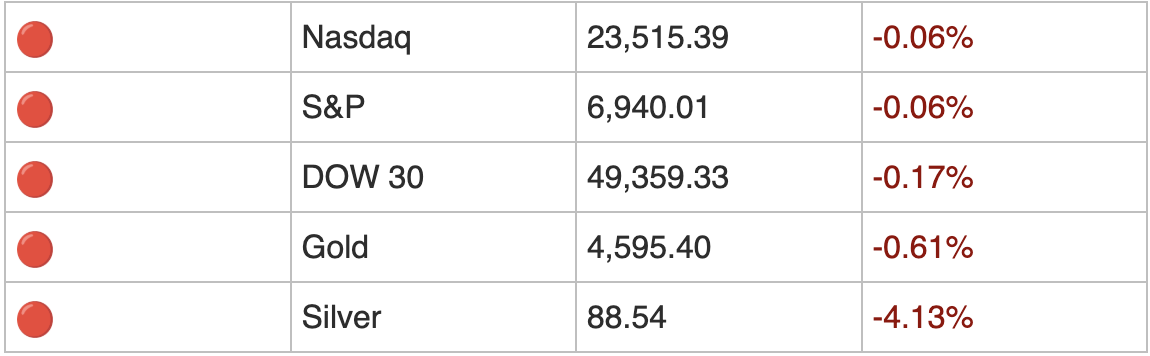
MARKET HEADLINES
💳 Trump’s proposed 10% credit card rate cap could shrink rewards programs, hitting subprime lenders and airlines reliant on card partnerships the hardest.
📈 The 2026 stock rally is broadening beyond Big Tech, with gains in sectors like finance, industrials, and small-caps signaling stronger economic momentum.
⚡ Trump’s AI power plan would have tech giants fund new power plants through long-term contracts, boosting GE Vernova while hurting legacy energy providers like Constellation.
🏠 Trump’s $200B mortgage bond directive to Fannie and Freddie spooked investors, fueling fears the government won’t release the firms from conservatorship anytime soon.
🏦 Berkshire Hathaway’s exit from big bank stocks may have cost it $50 billion in missed gains, raising questions about its “forever” investing mantra.
🌍 Trump’s escalating campaign to claim Greenland risks fracturing NATO, sparking economic fallout, trade wars, and possibly undermining the dollar’s global standing.
💊 Novo Nordisk shares jumped after U.K. approval of a higher Wegovy dose and a strong launch of its oral weight-loss drug, boosting its fight against Eli Lilly’s Zepbound.
🇨🇳 Despite record foreign demand for U.S. debt, China has sold Treasuries for nine straight months, likely as a geopolitical hedge amid rising tensions with the U.S.
🪙 Coinbase and Robinhood stocks dipped on regulatory delays, but optimism remains that bipartisan crypto legislation will eventually clear the Senate.
🚀 AST SpaceMobile soared after qualifying for a massive U.S. defense contract pool, fueling hype around its plan to launch a global space-based broadband network.
Trump’s Boom + AI = Stock Surge That’s Turning Heads on Wall Street
Hold onto your MAGA hats—18% of S&P 500 stocks are already up 10% or more this year, which is double the five-year average.
That’s what happens when Trump slashes red tape and the AI gold rush kicks into high gear.
Memory chip stocks like Micron and Western Digital are exploding (200%+ gains!) thanks to AI demand, while banks are flying high too—thank deregulation and rate cuts for that.
Even gold miners are loving life, with Newmont and Barrick doubling as the world dumps the dollar and hoards gold (can’t imagine why, right?).
Copper, connectors, and data center suppliers are all cashing in as AI eats the economy.
Trump’s America First policies and Silicon Valley’s server farms are the power couple Wall Street didn’t know it needed.
STOCKS 2 WATCH
↘️ J.B. Hunt Transport Services: Shares slipped in after-hours trading after the logistics firm reported a drop in quarterly revenue due to weaker transcontinental freight volumes.
🔎 Verizon Communications: The telecom giant received final regulatory clearance for its nearly $10 billion acquisition of Frontier Communications’ fiber-optic broadband business, following concessions made to California authorities.
🔎 M&T Bank, PNC Financial Services, and State Street: These major financial institutions are set to release their earnings reports on Friday.
Fact of the Week
The U.S. has a quirky investment heavyweight called REITs (real estate investment trusts), created by Congress in 1960, which let regular people buy “shares” of malls, apartments, data centers, and cell towers like they’re stocks—so your portfolio can literally earn rent from the buildings and infrastructure you use without ever fixing a leaky faucet.
ECONOMY
Fed’s Bowman: Rate Cuts Still on the Table, Job Market’s Too Fragile to Call It Quits
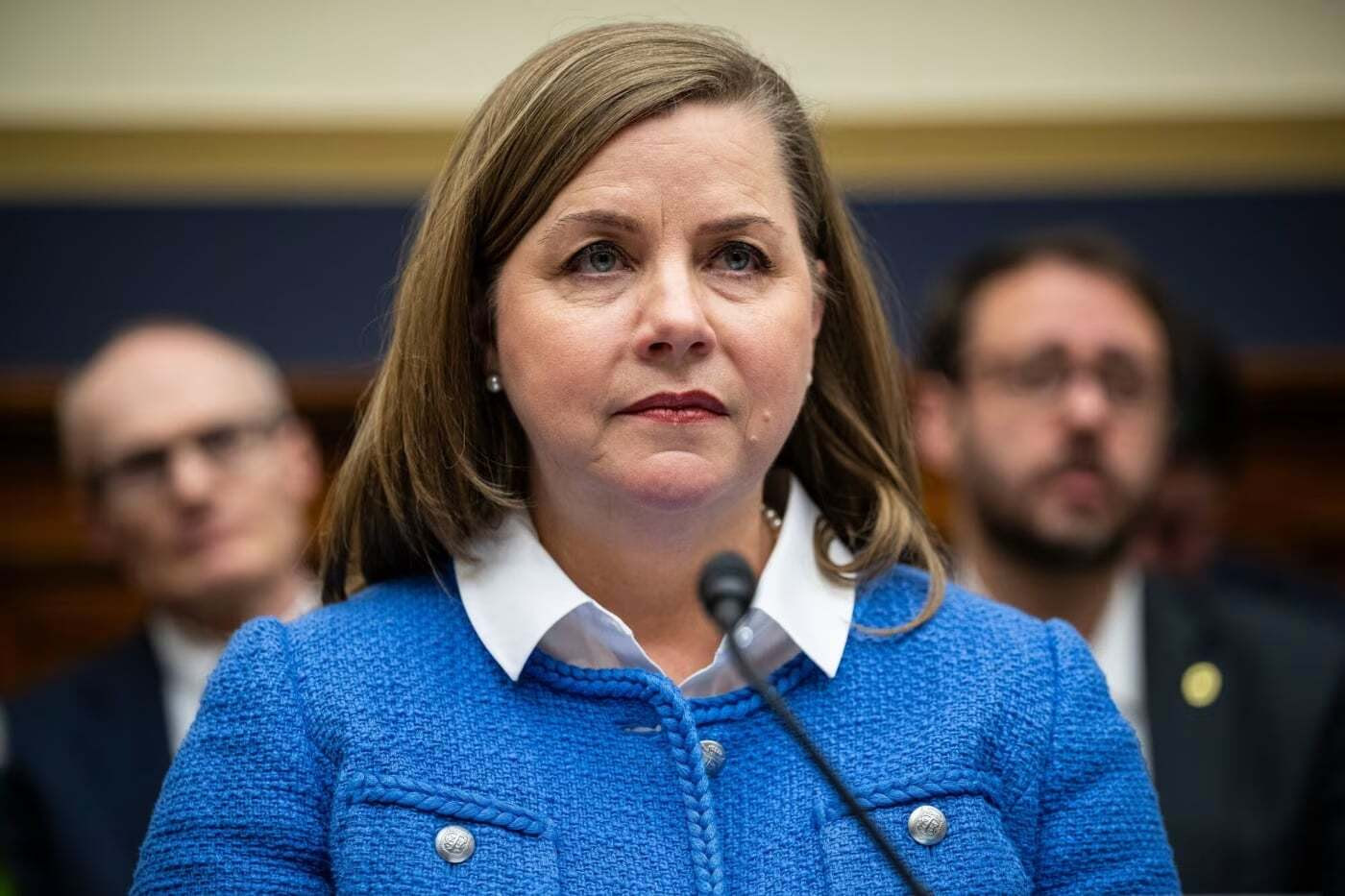
Looks like the Fed might not be done cutting rates after all—Michelle Bowman just made it clear she’s not ready to hit the brakes.
Speaking at a Boston conference, she warned that the job market is still wobbling, and unless things dramatically improve, more cuts should stay on the menu.
Inflation’s cooling (finally), but Bowman says keeping rates “moderately restrictive” could tip the labor market into trouble.
She’s basically telling the Fed: don’t get cocky, the economy ain’t out of the woods yet.
Meanwhile, other Fed officials are still clutching their pearls over inflation and pushing to keep rates right where they are.
So yeah, we’ve got a good old-fashioned Fed food fight brewing—again.
All eyes now on the Jan. 28 meeting, but if you’re betting on rate cuts this year, Bowman just gave you a little hope.
ECONOMIC HEADLINES
📉 Treasury yields jumped after Trump signaled Kevin Hassett would stay at the White House, sparking bets that the more hawkish Kevin Warsh may become Fed chair.
🌬️ Dominion Energy’s offshore wind project and others won court victories over Trump’s stop-work orders, allowing construction to resume despite national security concerns.
🏡 The Trump administration plans to let Americans use 401(k) funds for home down payments, aiming to boost affordability—but experts warn it could jeopardize retirement savings.
🚫 A long-stalled congressional stock trading ban gained momentum with bipartisan support, but Senate resistance could still derail its passage before midterm elections.
🏠 Mortgage rates dropped to 6.06%—their lowest since 2022—after Trump’s mortgage bond directive, reigniting buyer demand and bidding wars across U.S. housing markets.
🛢️ Markets calmed after Trump paused potential military action in Iran, with oil and gold prices stabilizing as investors weighed geopolitical risks and economic limits.
🔑 Trump’s housing focus boosted mortgage giants UWM and Rocket, but analysts say real affordability progress depends more on increasing supply than tweaking finance tools.
💼 Taiwan agreed to invest $250 billion in U.S. chip, energy, and AI projects under a new trade pact, bolstering American manufacturing in exchange for tariff relief.
🛑 The Treasury sanctioned top Iranian officials and shadow banks to choke off oil revenue, escalating economic pressure while avoiding military conflict.
🌍 A new EU-Mercosur trade deal marks a modest but symbolic step in Europe’s push to counterbalance U.S. and China, with limited short-term market impact.
Trivia
In 2022, the U.S. Federal Reserve began shrinking its balance sheet after years of bond-buying—an action that removes liquidity from the financial system—which market variable most directly reflects this shift by showing investors demanding extra compensation to hold longer-dated U.S. government debt instead of rolling short-term bills?
A. The equity risk premium on the S&P 500
B. The 10-year Treasury term premium
C. The VIX (equity volatility index)
D. The AAA corporate credit spread over Treasuries
E. The trade-weighted U.S. dollar index (DXY)
Scroll for the answer
BUSINESS
Trump Buys Netflix & Warner Bonds Right After Criticizing Their Deal—Totally Normal, Right?
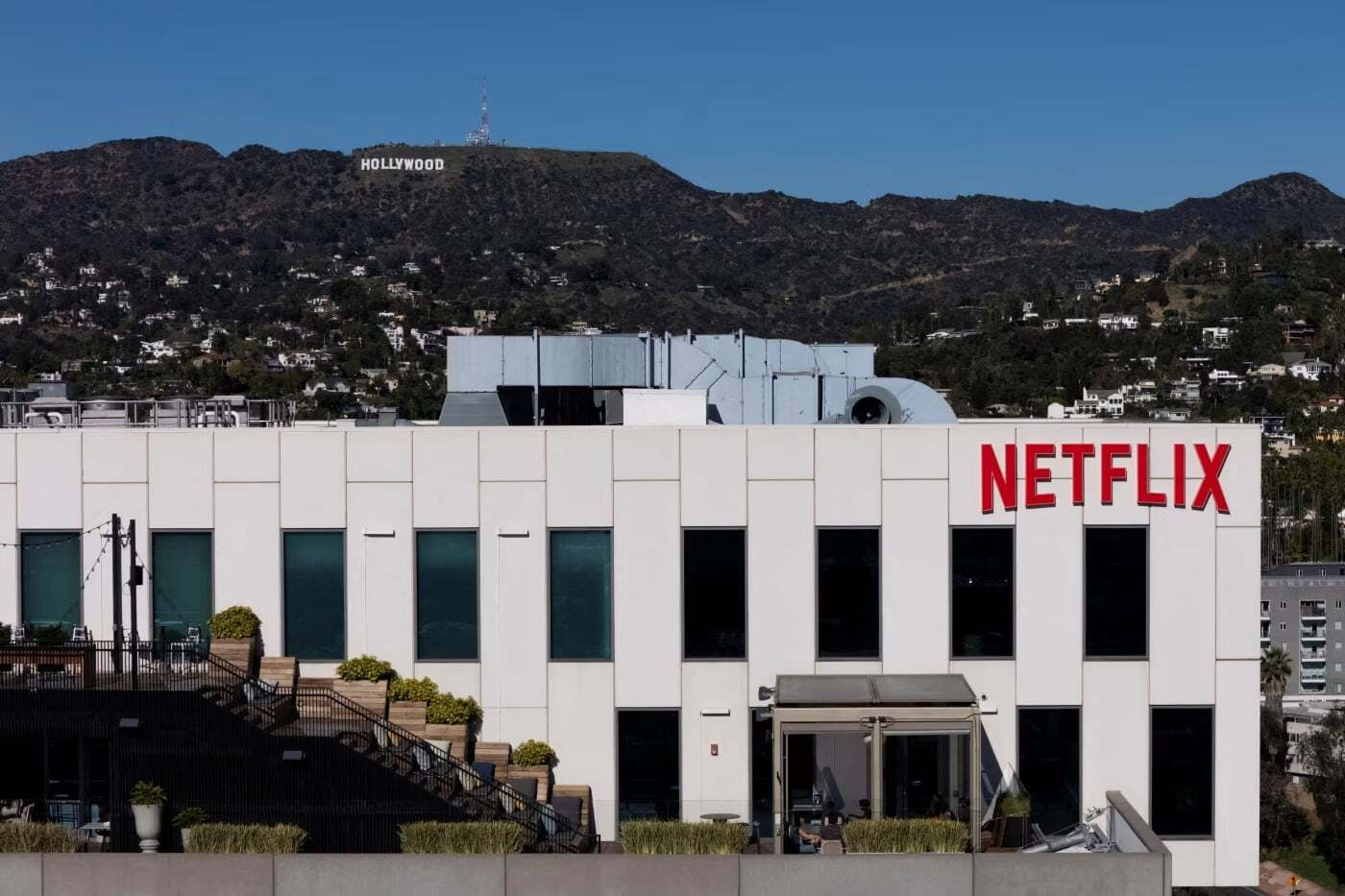
So get this—Trump bought up to $2 million in Netflix and Warner Bros. Discovery bonds right after Netflix announced its $72 billion deal to buy Warner’s studios and HBO Max.
This came literally days after Trump said the deal “could be a problem” and that he’d personally be involved in deciding whether it gets approved.
Nothing to see here, folks—just the President investing in companies while commenting on whether their merger goes through.
Even juicier? He’s still calling for CNN to be sold off—because, of course, it’s CNN.
The White House isn’t saying much, and neither are the companies, but let’s be honest: if this was a Democrat, the media would be setting up camp outside the SEC.
Meanwhile, Paramount is trying to crash the party with a hostile takeover, but Warner’s board told them to take a hike.
So yeah—Wall Street meets West Wing, and Trump’s holding bonds like popcorn.
Answer
In 2022, the U.S. Federal Reserve began shrinking its balance sheet after years of bond-buying—an action that removes liquidity from the financial system—which market variable most directly reflects this shift by showing investors demanding extra compensation to hold longer-dated U.S. government debt instead of rolling short-term bills?
B. The 10-year Treasury term premium
Because quantitative tightening (QT) reduces the Fed’s bond holdings and pushes more duration risk onto private investors, the most direct “price tag” for that extra interest-rate uncertainty is the 10-year Treasury term premium, which represents the additional yield investors require to hold long-term Treasuries rather than continually rolling short-term rates, making it the cleanest bond-market readout of how liquidity withdrawal and duration supply can steepen or reprice the long end even when inflation expectations and the expected path of policy rates aren’t the only drivers.