
Dear Friend,
Turns out the “America is doomed” crowd might want to sit this one out—Morgan Stanley just called a 10% S&P 500 jump by 2026, thanks to AI gains, a weaker dollar, and a Fed that’s apparently bringing rate cuts like Oprah brings free cars.
TINA is back in fashion (There Is No Alternative), and bonds? Also looking spicy as yields drop and prices climb.
Meanwhile, China’s economy is limping from the tariff slugfest, and Amazon’s quietly building a Skynet-for-retail while Walmart’s raising prices and praying Wall Street stays impressed.
Keep reading this edition of the Insider Report for why the real power play might just be…staying American.
Jeremy Blossom
Editor in Chief, Everlasting Wealth
MARKETS
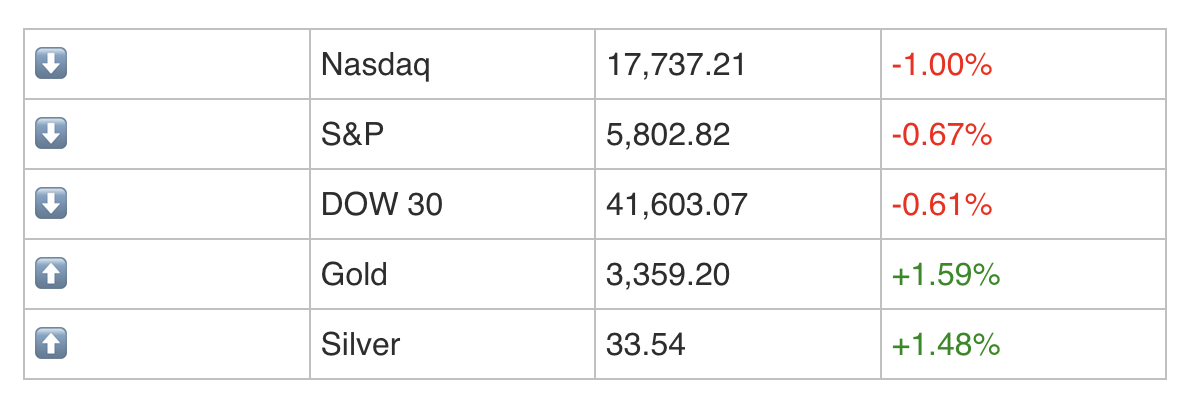
MARKET HEADLINES
📉 Workday shares dropped sharply despite an earnings beat, as macroeconomic uncertainty clouds IT spending forecasts.
🪙 Big banks are trying to launch a joint stablecoin, but their late pivot and crypto skepticism may doom the effort.
🚫 The Senate’s repeal of California’s EV emissions waiver threatens Tesla’s regulatory credit revenue stream.
💸 Trump’s sweeping tax and spending bill includes big tax cuts and entitlement reductions, pushing deficit concerns higher.
⚖️ The Supreme Court carved out an exception for the Fed in a ruling expanding presidential power to remove agency heads.
🤖 Anthropic unveiled new AI models that promise longer, more precise task handling, potentially leapfrogging competitors.
💡 IonQ’s CEO envisions the company as quantum computing’s Nvidia, aiming for market leadership despite early-stage hurdles.
⚛️ Trump’s upcoming executive orders to accelerate nuclear development sent reactor and clean energy stocks soaring.
🚗 Tesla’s stock remains resilient as it eyes a fifth weekly gain, bolstered by robotaxi hype despite policy setbacks.
🥾 Deckers Outdoor stock tanked after weak guidance and tariff risks signaled softening demand and brand headwinds.
Morgan Stanley: America’s Still the MVP of Global Markets
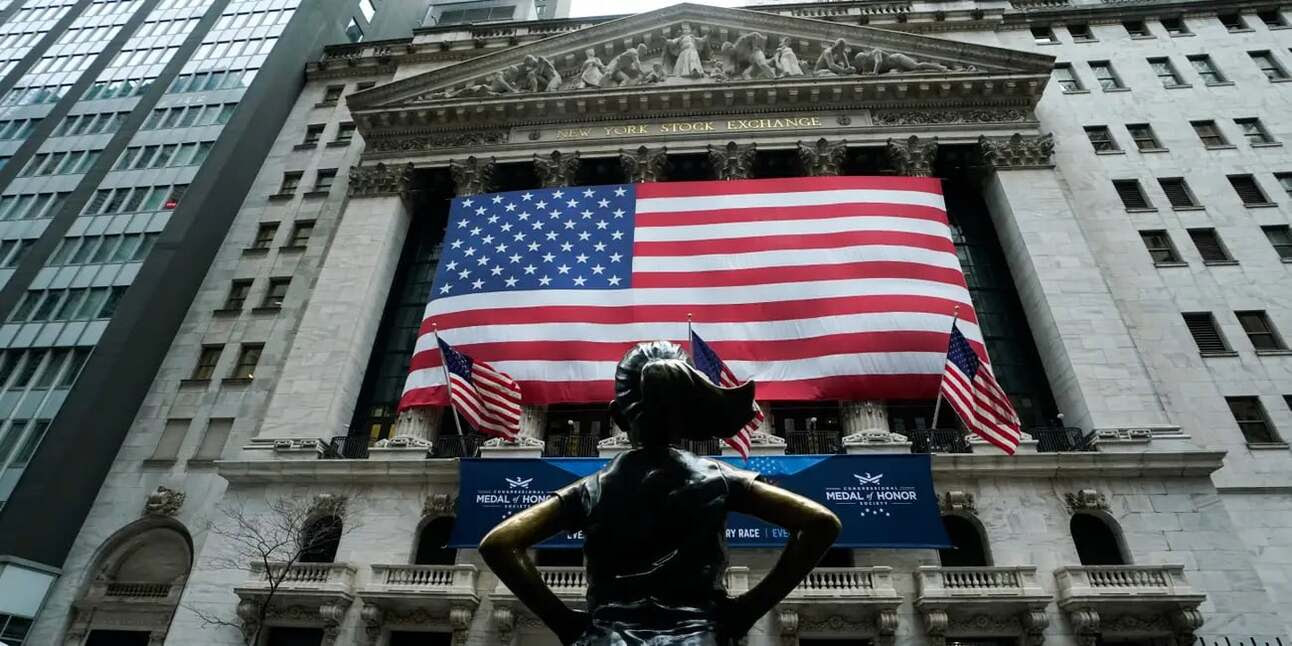
Despite all the hand-wringing from the “Sell America” crowd, Morgan Stanley just dropped a big reality check—U.S. stocks and bonds aren’t going anywhere but up.
While some investors have gotten spooked by the latest spending bill and temporarily bailed, the bank says the fundamentals still scream buy.
They’re predicting a 10% jump in the S&P 500 by mid-2026, driven by Fed rate cuts, a weaker dollar, and AI-powered productivity gains that are finally about to hit Main Street.
The recent tariff chaos? Already fading. With tensions cooling and seven rate cuts on deck next year, Morgan Stanley says the real upside is just getting started.
And on the bond side, they expect yields to drop as rate cuts become reality—meaning prices go up.
So no, foreign investors aren’t ditching the U.S.—in fact, they’re holding more American bonds than ever.
TINA still rules: There Is No Alternative. When the dust settles, it’s still America leading the global economy—with a red, white, and blue bullhorn.
STOCKS 2 WATCH
↘️ Deckers Outdoor (DECK): Shares tumbled over 16% in premarket trading after the footwear brand missed on its quarterly outlook and declined to offer fiscal 2026 guidance, citing global trade uncertainty.
↗️ Autodesk (ADSK): A boost to its full-year profit forecast lifted the software firm’s stock ahead of the open, signaling investor confidence in sustained growth.
↗️ Wolfspeed (WOLF): Shares gained 4% in early trade despite the company bracing for a potential bankruptcy filing, marking another turn in its recent stretch of volatility.
🔎 Ross Stores (ROST): The retailer pulled its annual forecast, citing expected tariff impacts. With more than half its inventory sourced from China, earnings could face pressure ahead.
🔎 Intuit (INTU): The maker of TurboTax and QuickBooks topped Wall Street expectations for earnings and revenue last quarter, though investors await guidance on future growth momentum.
Fact of the Week
The U.S. Secret Service, best known today for protecting presidents, was actually created in 1865 to combat rampant counterfeiting, which had become so widespread after the Civil War that nearly one-third of all U.S. currency in circulation was fake—threatening to collapse the entire economy.
ECONOMY
China’s Economy Stumbles as Tariffs Bite—And the Clock’s Ticking

April’s economic data just confirmed what everyone expected—China’s feeling the sting from its trade showdown with the U.S. Retail sales, factory output, and investment all slowed down last month, right as Trump’s tariffs hit full force before the recent truce.
Sure, Beijing and Washington agreed to a 90-day tariff reduction, and importers are rushing to take advantage, but let’s be clear: China’s economy isn’t bouncing back overnight.
Even with the U.S. cutting average tariffs to around 30% from the insane 145%, that’s still enough to keep pressure on Chinese factories.
Exports to the U.S. are expected to drop by a third over the next year, and economists are calling for serious government stimulus if China wants to hit its 5% growth target.
Bottom line? Trump’s tough stance rattled Beijing, and while they’re scrambling to patch things up, the U.S. is holding the cards.
This truce may be temporary, but the message is loud and clear: the days of China skating by on unfair trade are over.
ECONOMIC HEADLINES
📞 The U.S. and China resumed trade talks with a constructive call, signaling potential progress despite rising corporate fears that tariffs could slash revenues.
🎰 America’s booming sports betting market is triggering a looming public health crisis, as states reap billions while allocating pennies toward addiction treatment.
💵 Soaring bond yields are tightening financial conditions, but neither the Fed nor the Treasury appears willing to intervene unless markets spiral further.
🥦 RFK Jr.’s “Make America Healthy Again” report targets processed foods, additives, and pesticides, stirring backlash from farmers and food industry groups.
🧾 The House narrowly passed Trump’s sweeping tax-and-spending bill, setting the stage for a costlier Senate version that could fuel higher deficits.
⚕️ Proposed Medicaid cuts in the new bill threaten hundreds of thousands of healthcare jobs and risk derailing a key pillar of the labor market.
🏦 Fannie Mae and Freddie Mac shares surged after Trump suggested taking them public, though experts warn conservatorship won’t end anytime soon.
🪙 Axing the penny may save $58 million a year, but it’s a drop in the bucket compared to the $3 trillion deficit from Trump’s tax bill.
💴 Rising Japanese bond yields threaten to unravel the yen carry trade, potentially pulling capital out of U.S. markets and roiling global equities.
📉 A weak 20-year Treasury auction rattled markets, sending stocks sliding and yields spiking, as investors weigh fiscal risks and inflation fears—but analysts say it’s not time to panic yet.
Trivia
Which U.S. stock index is most commonly used as a benchmark for the overall performance of the U.S. equity market?
A. Nasdaq Composite
B. Dow Jones Industrial Average
C. S&P 500
D. Russell 2000
E. Wilshire 5000
Scroll for the answer
BUSINESS
Walmart’s Holding the Line, But Amazon’s Still Got the Bigger Guns
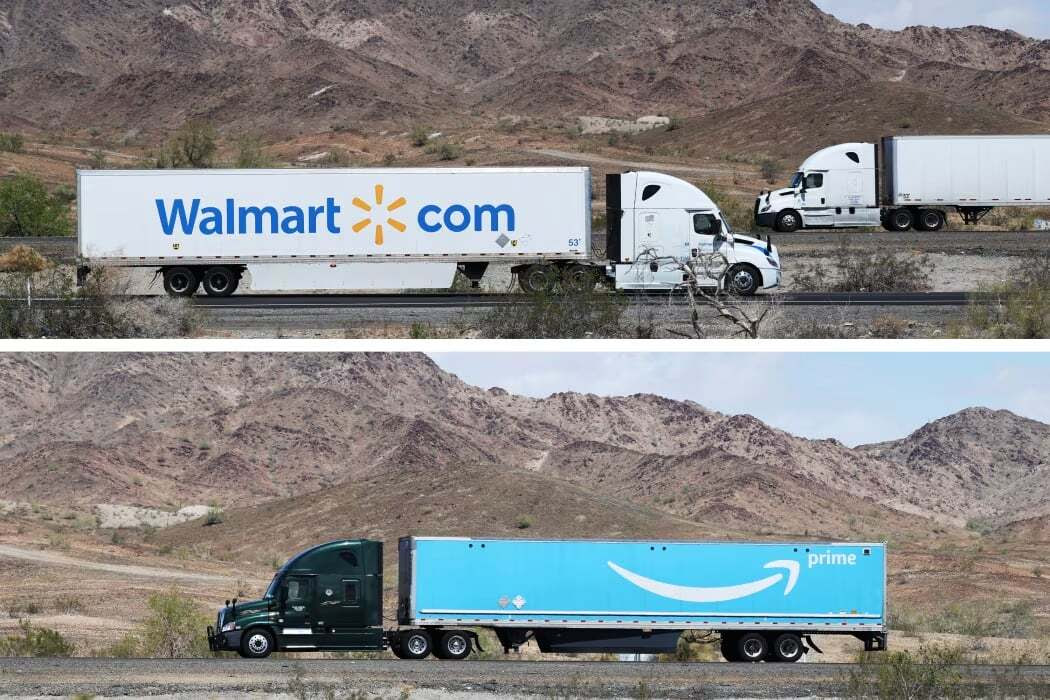
Walmart might be winning the stock chart battle lately, but when it comes to long-term firepower in this tariff war, Amazon’s arsenal is stacked.
Walmart just warned prices are heading up thanks to Trump’s tariffs, and while their latest earnings beat expectations, Wall Street barely blinked.
The stock’s up 53% over the past year—outshining Amazon’s modest 12%—but now trades at a premium valuation that leaves little room for missteps.
Meanwhile, Amazon’s still the king of scale and strategy, pulling in massive profits from cloud and ad businesses that aren’t nearly as tariff-sensitive as Walmart’s retail-heavy setup.
Even with both aiming for $700 billion in revenue this year, Amazon’s expected to rake in over twice the operating income.
Walmart’s beefing up its e-commerce game and building out higher-margin revenue streams, but let’s be real—Amazon’s already miles ahead, pumping money into AI and satellites like it’s prepping for global retail dominance.
Bottom line: Walmart’s holding strong on the front lines, but Amazon’s playing a different, more profitable war.
Answer
Which U.S. stock index is most commonly used as a benchmark for the overall performance of the U.S. equity market?
C. S&P 500
The S&P 500, or Standard & Poor’s 500, is widely regarded as the most representative benchmark of the U.S. stock market.
It includes 500 of the largest publicly traded companies across various sectors, covering about 80% of the total U.S. market capitalization.
Unlike the Dow Jones Industrial Average, which includes only 30 companies and is price-weighted, the S&P 500 is market-cap weighted, offering a broader and more accurate reflection of market performance.
Investors, analysts, and fund managers often use it as a gauge for the health of the U.S. economy and to compare the performance of investment portfolios.