Earnings? Rates? Or something deeper? What most investors are missing right now

Good morning!
Trump just slapped Brazil with a 50% tariff—and Wall Street responded by… setting new record highs. Apparently, earnings and rate-cut whispers beat geopolitics every time. Nvidia’s over $4T, Delta crushed it, and copper prices are rising (thanks to, yes, more tariffs).
Meanwhile, Trump’s threatening a global trade reckoning on August 1, Big Tech’s playing kiss-and-slap with the White House, and jobless claims are creeping up under the radar. But for now? The market’s calling Trump’s bluff and cashing in.
Keep reading this edition of the Everlasting Wealth Insider Report to see what’s real, what’s noise, and what’s coming next.
Jeremy Blossom
Editor in Chief, Everlasting Wealth
MARKETS
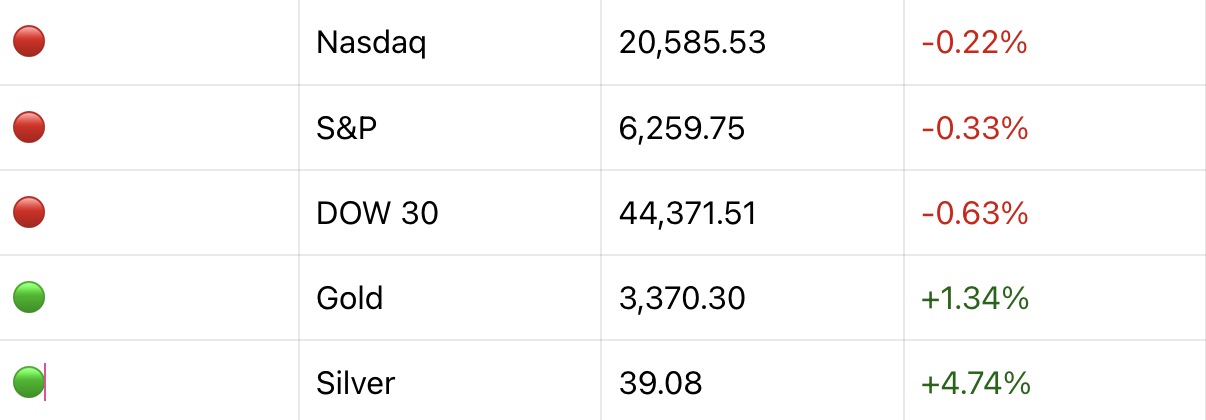
MARKET HEADLINES
📉 Wall Street’s confidence in the “TACO trade” is wavering as tariff fears, inflation risks, and narrow market leadership threaten the stock rally’s sustainability.
🛢️ BP’s profit warning due to low oil prices was offset by improved production and trading gains, lifting its stock even as rivals like Exxon and Chevron slipped.
📉 Nvidia’s stock dipped after topping $4 trillion, with a China visit by CEO Jensen Huang possibly unlocking the next growth phase amid looming chip tariffs.
🤖 Intel spun off RealSense, a leading robotics and AI vision company, with $50 million in funding to speed innovation in autonomous robots and security tech.
✈️ Boeing stock slid slightly as investigators prepared to release a preliminary report on the Air India 787 crash, which may point to pilot or fuel switch issues rather than design flaws.
⚠️ Jamie Dimon warned markets are underestimating tariff risks as investors chase record highs driven by FOMO, even as corporate earnings face pressure from rising input costs.
💸 Bitcoin surged past $118,000 fueled by ETF inflows and rate cut hopes, with analysts predicting the rally could push it beyond $120,000 by month’s end.
🇺🇸 MP Materials stock soared 51% after securing a massive Pentagon investment to build a domestic rare earths supply chain and cut reliance on China.
📈 The Nasdaq’s rally mirrors the 1990s bull run, but stronger profits and AI-driven gains suggest today’s surge isn’t a bubble like the dot-com era.
🧠 Wall Street doubled down on AI stocks like Nvidia and Microsoft ahead of earnings season, betting big on monetization and continued tech sector dominance.
Markets Hit Record Highs as Trump Talks Tough, Wall Street Bets on Deals Anyway
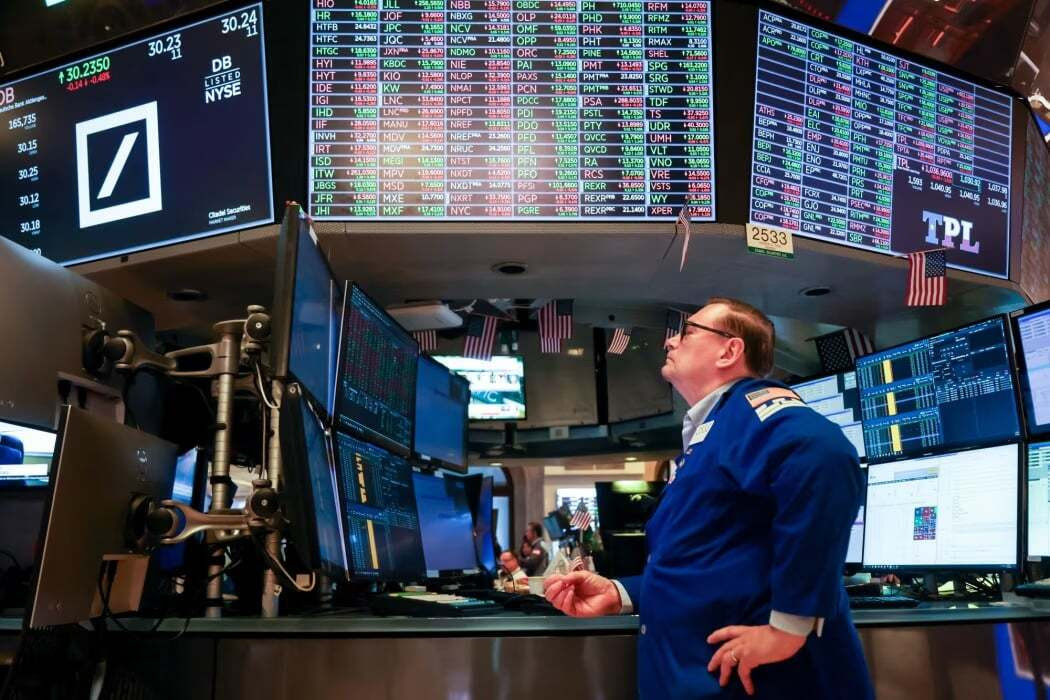
Wall Street shook off a fresh 50% Trump tariff on Brazil and just kept on climbing.
The S&P and Nasdaq both hit record highs Thursday, as investors looked past trade spats and focused on two things they love: earnings and rate cuts.
Trump, never one to whisper, posted on Truth Social demanding the Fed “RAPIDLY LOWER RATE”—and markets took the hint.
Delta crushed earnings, Nvidia broke $4 trillion in market cap, and even copper prices jumped after Trump’s tariff on the metal kicked in.
Meanwhile, unemployment claims dipped, but the total number of jobless Americans quietly hit its highest since 2021—something to watch.
Still, between strong earnings and hope for trade resolutions, investors are betting Trump’s tariff threats are more bark than bite.
For now, the market’s calling his bluff—and cashing in.
STOCKS 2 WATCH
🔍 Unilever: A new CEO has been named to lead Ben & Jerry’s, intensifying the parent company’s ongoing tensions with the ice cream brand over its politically driven activism.
↗️ Coinbase, MicroStrategy: Shares in both cryptocurrency-linked firms moved higher in premarket trading after Bitcoin surged to a new all-time high, renewing investor enthusiasm in the sector.
↗️ BP: Despite announcing potential after-tax writedowns of up to $1.5 billion due to declining oil and gas prices, the energy giant’s shares climbed 2.5% on the London exchange.
↗️ Levi Strauss: The denim icon’s stock jumped 7% before the bell after it reported strong first-half financials and raised its full-year guidance late Thursday.
Fact of the Week
After lighting up parts of New York City in 1882, Edison founded the Edison Electric Light Company, which later evolved into General Electric. He didn’t just sell bulbs—he built entire power stations and wiring systems, forcing customers to use his electricity and his equipment.
ECONOMY
Tariff Ticker: Trump’s Trade Ultimatum Inches Toward August Showdown
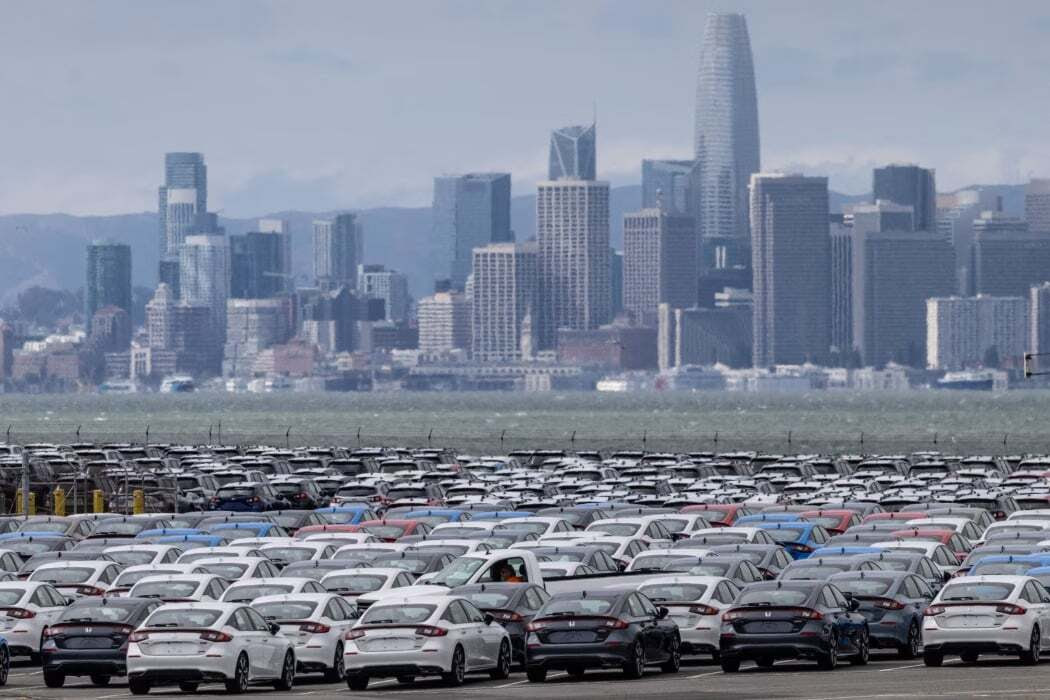
Trump’s tariff machine is still humming, and we’re heading for an August 1 deadline that could shake up global trade—again.
After another round of last-minute extensions, the White House says the “reciprocal” tariffs (up to 125% on over 80 countries) are locked and loaded unless those countries ink trade deals.
Tariffs on copper (50%), pharma (200%), and Brazilian imports (50%) are all set to hit soon.
Meanwhile, car imports have already been slapped with a 25% tariff since April, and steel/aluminum are holding steady at 50%.
China’s average tariff burden is around 40–50%, with more tweaks possible depending on trade talks.
Legal challenges could reverse some of these duties, but Trump’s keeping the pressure on—and using Section 232 to potentially target semiconductors next.
Bottom line? The message from the White House is clear: Deal with us, or deal with the tariffs.
And come August, the gloves come off.
Economic Headlines
📉 Wall Street’s overconfidence in the “TACO trade”—betting Trump won’t enforce tariffs—is faltering as inflation, rate hike risks, and tariff uncertainty create serious headwinds.
🇨🇦 President Trump’s threat to impose a 35% tariff on Canadian goods has escalated tensions, while a trade deal with the EU appears close to completion.
💰 Trump’s new tax law allows standard deduction filers to claim charitable gifts and itemizers face new limits, reshaping how Americans donate.
📉 Fed Governor Christopher Waller called for a July rate cut, arguing inflation has cooled enough and denying political influence amid speculation he could succeed Chair Powell.
🔧 Copper stocks surged after Trump announced a 50% import tariff starting August 1, raising supply concerns and driving up prices across the board.
🌎 Trump’s unprecedented 50% tariff on Brazil, sparked by Bolsonaro’s trial, signals a shift toward using tariffs for foreign policy leverage, rattling markets and global partners.
🏛️ Trump’s sweeping tax bill made 2017 cuts permanent, expanded small business benefits, and raised the estate tax exemption, sparking optimism among advisors and wealthy investors.
🚗 Despite strong Q2 sales, automakers like Ford and GM brace for earnings pressure as tariffs bite and uncertainty clouds the outlook for car prices and consumer demand.
📉 The Fed’s June minutes reveal a split on rate cuts, with some officials eyeing July while others warn of inflation risks tied to tariffs and economic strain on consumers.
💼 Despite job growth, real wages are falling, labor force participation is declining, and policy shifts are weakening worker protections—masking a fragile U.S. labor market.
Trivia
Which government body is primarily responsible for setting U.S. fiscal policy, including taxation and government spending?
A. Federal Reserve
B. U.S. Department of the Treasury
C. Congressional Budget Office (CBO)
D. U.S. Congress
E. Office of Management and Budget (OMB)
Scroll for the answer
BUSINESS
Altman Rides High, Cook Gets Cooked: Tech Titans Navigate Trump’s Turf
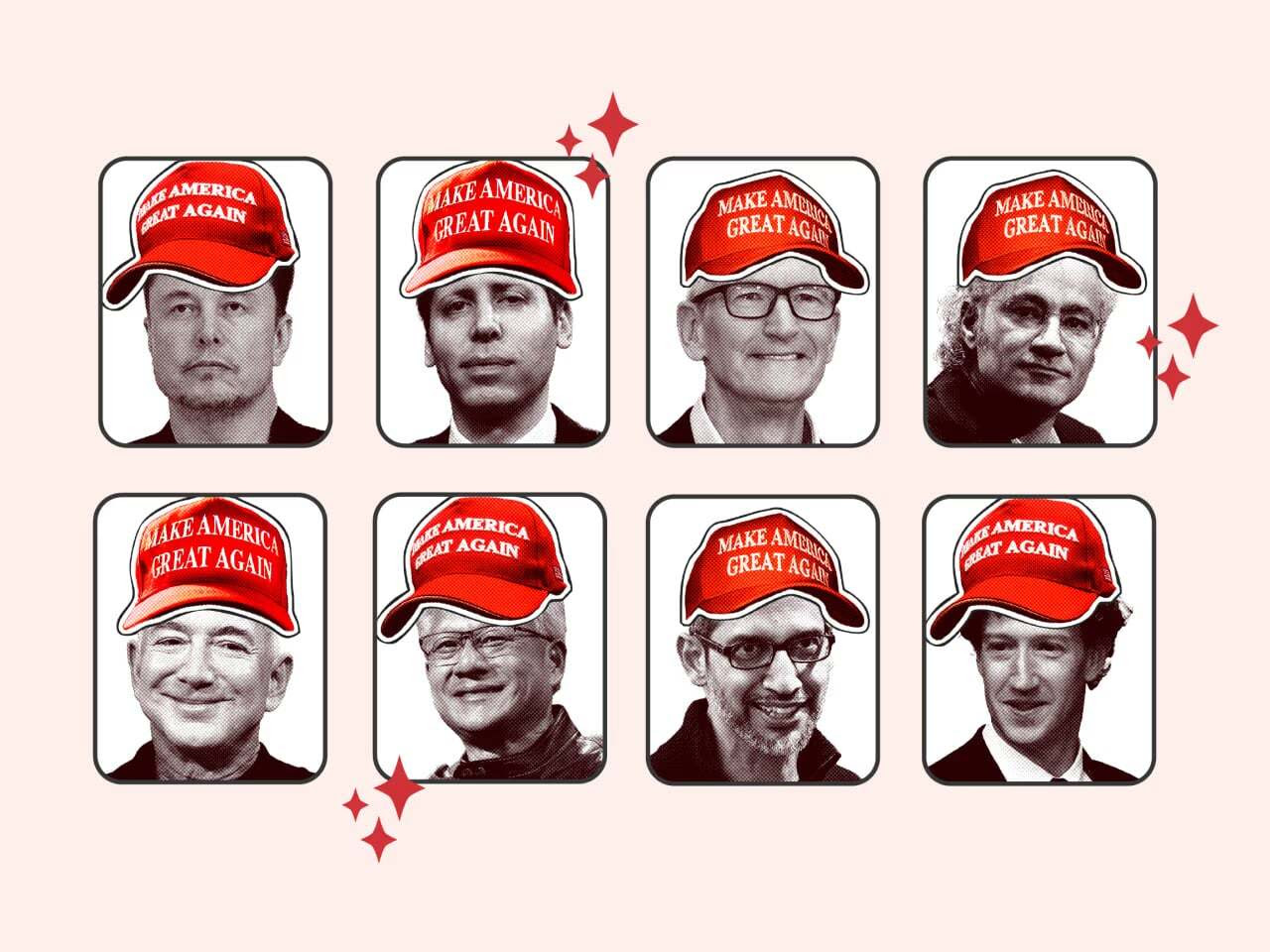
Big Tech’s love-hate saga with Trump 2.0 is in full swing.
Some CEOs are riding high—like Sam Altman, who ponied up $1 million and got rewarded with Trump’s praise and AI-friendly deregulation.
Nvidia’s Jensen Huang is also golden, getting a shoutout from Trump as “my friend” and riding the AI chip wave.
Meanwhile, Elon Musk, once Trump’s go-to guy for “efficiency,” flamed out after a few Twitter spats.
Tim Cook? He’s catching heat for Apple’s overseas manufacturing—Trump’s still griping about iPhones made in India.
And let’s not forget Bezos, who managed to dodge a tariff mess with a well-timed call to The Donald.
Bottom line? Cozying up to Trump pays—unless you bring him cupholders made in China.
Answer
Which government body is primarily responsible for setting U.S. fiscal policy, including taxation and government spending?
D. U.S. Congress
Fiscal policy refers to the government’s decisions about taxation and spending, which are key tools for influencing economic activity.
In the United States, Congress holds the “power of the purse,” meaning it is responsible for creating and passing legislation that determines federal budgets, tax laws, and expenditure levels.
While the Treasury implements these laws and the President can propose budgets, it is Congress that ultimately approves fiscal measures.
This contrasts with the Federal Reserve, which manages monetary policy through interest rates and money supply.