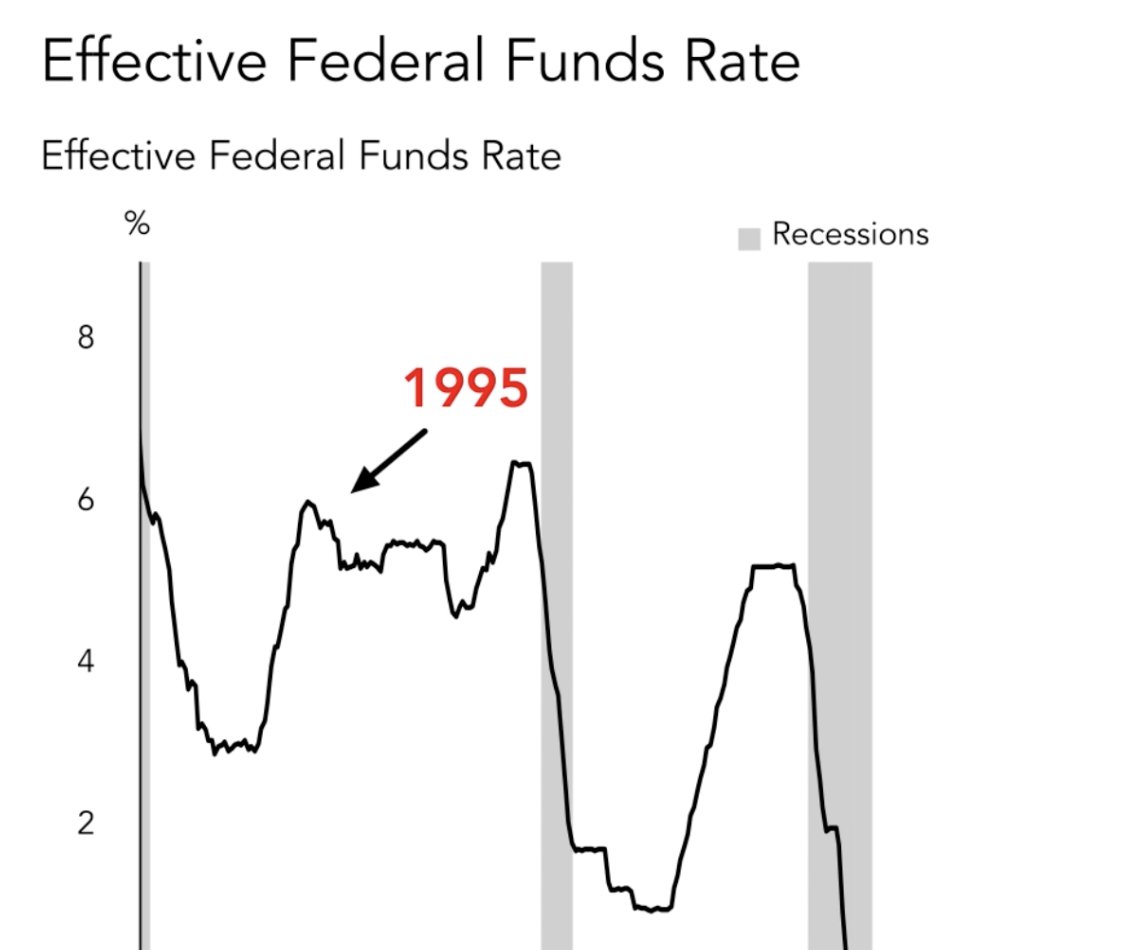
In the aftermath of aggressive interest rate hikes, the Federal Reserve finds itself in a precarious position. Historically, three of the last Federal Reserve rate cuts resulted in sharp economic downturns, fueling concerns of a looming recession. However, the Fed once successfully dodged a recession in 1995. Could this time be different?
The Fed’s Dual Mandate: A Delicate Balance
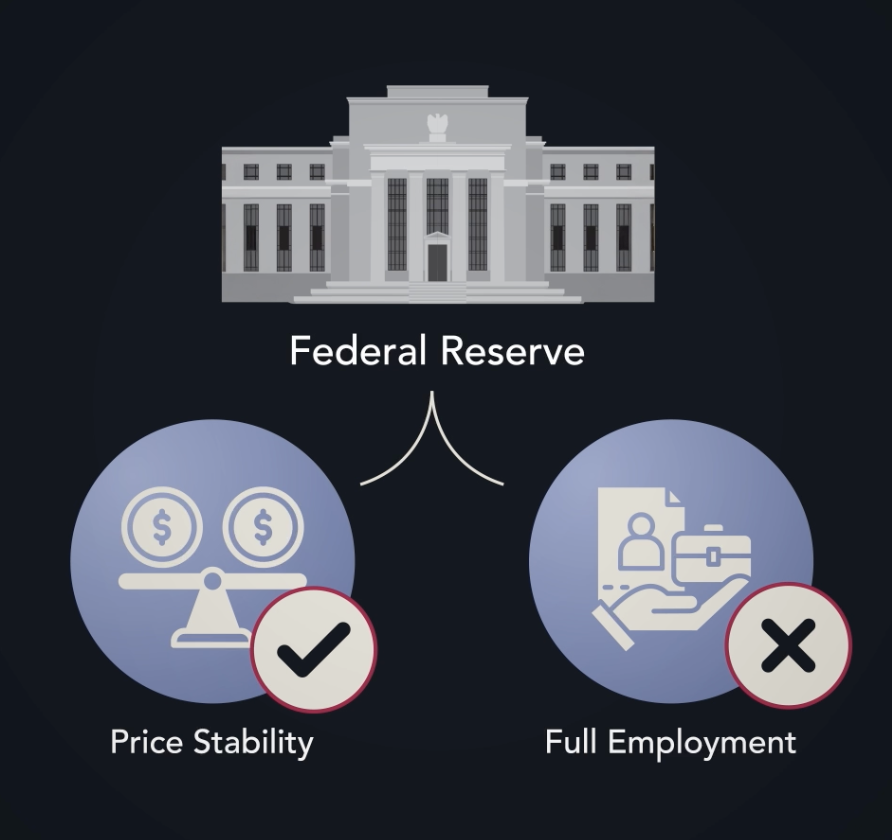
The Federal Reserve operates under two primary mandates:
-
Price Stability: Controlling inflation and ensuring the economy doesn’t overheat.
-
Maximum Employment: Ensuring as many people are employed as possible without generating inflation.
In 2024, inflation fears have somewhat subsided. But now, the employment picture is turning grim. The U.S. unemployment rate has started to rise at a rate reminiscent of the post-2008 financial crisis and the COVID-19 downturn. The labor market appears to be cooling, raising concerns for both the Fed and market observers.
Powell’s Dilemma: Cooling the Labor Market?
Federal Reserve Chair Jerome Powell recently signaled reluctance to see further cooling in the labor market. At the Jackson Hole Symposium, he stated:
“It seems unlikely that the labor market will be a source of elevated inflationary pressures anytime soon.”
The Fed has been cautious in its approach, not wanting to exacerbate a weakening labor market, even as inflation eases. Powell’s remarks came as data showed that employment is losing momentum. The latest ADP and non-farm payroll reports revealed the smallest job gains since 2020.
Markets React: The Probability of Rate Cuts is Rising
A month ago, market odds of a significant 1% rate cut by the Federal Reserve by the end of 2024 were a mere 10%. However, given the recent weakening in job numbers and continued signs of labor market stress, those odds have now risen to 40%. The labor market’s fate seems to dictate the likelihood of the Fed slashing interest rates aggressively, with economic indicators flashing warnings.
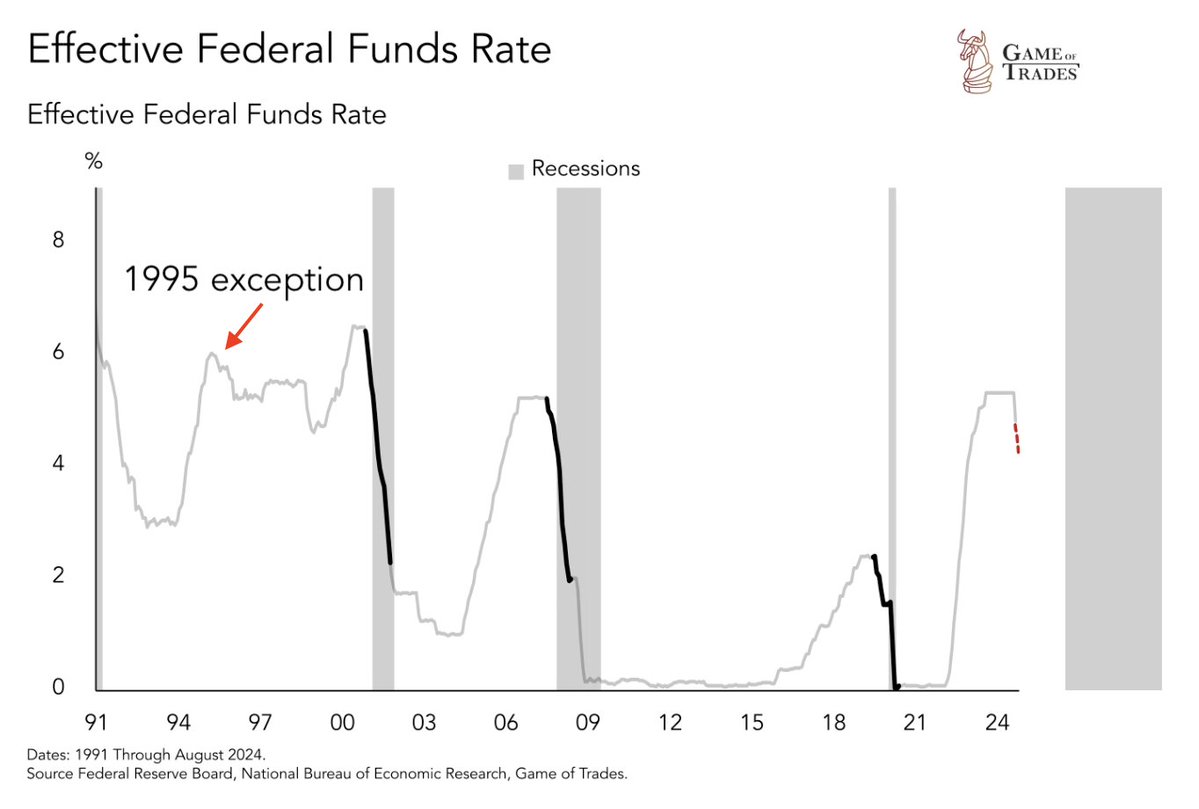
But the question remains: Can the Fed navigate the economy through this without causing a recession?
The 1995 Parallel: A Beacon of Hope?
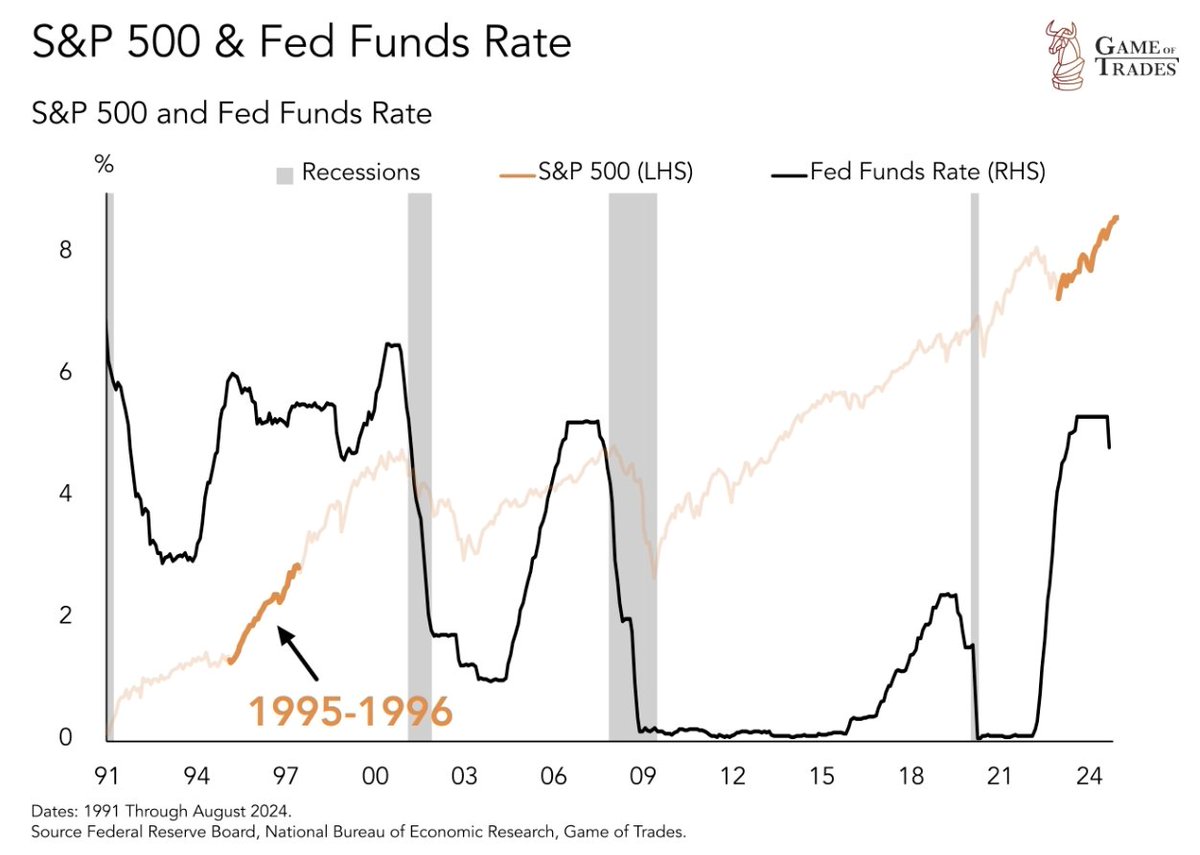
The last time the Fed managed to engineer a “soft landing”—a slowdown without triggering a recession—was in 1995. Back then, after a series of rate hikes, the Federal Reserve deftly steered the economy away from a downturn, resulting in an economic boom that lasted until 2000. This period remains one of the few success stories in the Fed’s history of avoiding recessions following rate increases.
Interestingly, the S&P 500’s performance today mirrors that of 1995. The stock market appears optimistic, with returns showing similar patterns to the mid-90s, signaling that investors believe another soft landing is possible. Could this be a sign that the Fed will succeed again, or is the market too optimistic?
A Fragile Future
While inflation concerns are easing, the labor market could become the tipping point for the U.S. economy in 2024. If unemployment continues to rise and the economy falters, the Fed may be forced to enact deep rate cuts to revive growth.
The stakes are high, and Powell’s cautious words suggest that he is well aware of the delicate balance the Fed must maintain. The coming months will reveal whether the Fed can pull off another 1995-style soft landing—or if history will repeat itself with another recession.
For now, the markets appear hopeful, but economic indicators show that the path ahead remains fraught with risks.