Dear Friend,
Trump’s push for peace talks initially rattled U.S. defense stocks, but now they’re bouncing back—thanks to Europe ramping up its military budgets.
Meanwhile, the Fed is debating rate cuts, but with inflation sending mixed signals, don’t expect any sudden moves just yet.
Delta stock took a hit after a regional jet flipped on landing (thankfully, no fatalities), and Florida’s once-undisputed retirement crown is slipping as rising insurance costs send retirees looking elsewhere.
Oh, and the IRS? It’s drowning in paperwork, and if you’re a foreign investor, good luck getting your tax documents processed anytime soon.
Let’s break it all down in this edition of the Everlasting Wealth Insider Report.
Jeremy Blossom
Editor in Chief, Everlasting Wealth
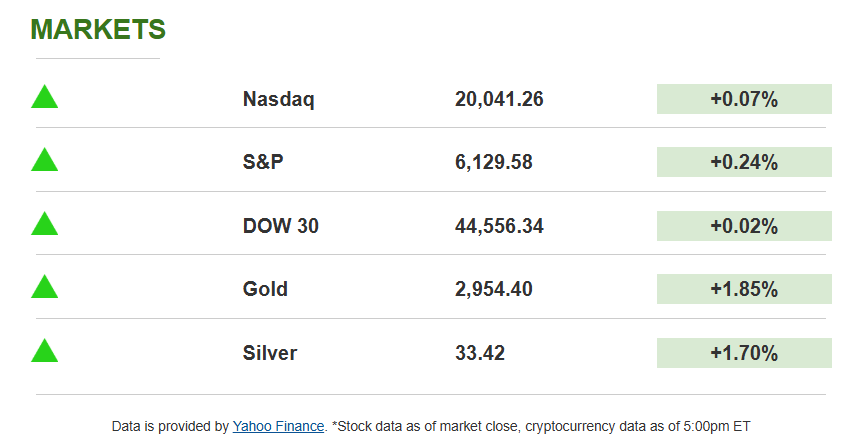
MARKET HEADLINES
📉 Baidu stock fell as a slump in advertising revenue overshadowed its AI growth, raising concerns about China’s slowing economy.
₿ XRP dropped 19% over the past month as crypto bulls grew impatient with the Trump administration’s lack of follow-through on pro-Bitcoin policies.
📈 Nvidia stock has nearly recovered from its DeepSeek-induced losses, with fresh demand from South Korea and other governments boosting investor confidence.
🚗 Tesla’s Full Self-Driving approval in China may be delayed as the country uses the EV maker as a bargaining chip in trade talks with Trump.
🛢️ Occidental Petroleum is set to report lower earnings as falling oil prices and Trump’s pro-production policies weigh on the Buffett-backed energy company.
Trump’s Peace Talks Boost European Defense Spending—U.S. Defense Stocks on the Rise
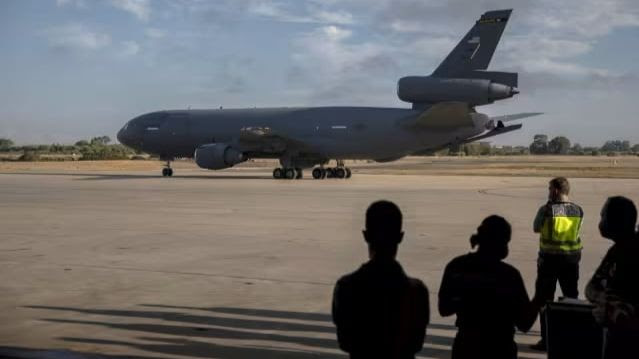
President Trump’s push for peace talks with Russia initially sent U.S. defense stocks lower after he proposed cutting military spending, but they are now bouncing back as Europe steps up its own defense budgets.
With the U.S. shifting its military priorities, nations like Germany and France are under pressure to increase spending, sending European defense stocks soaring—Germany’s Rheinmetall is up 30% in five days, while the U.K.’s BAE Systems climbed 12%.
This surge in European defense investments is also benefiting U.S. defense giants like Lockheed Martin, Northrop Grumman, and General Dynamics, whose stocks are rising as global demand for military equipment grows.
Even with potential U.S. defense cuts, countries like Taiwan are considering major arms deals, reinforcing optimism in the industry.
While Trump’s diplomacy is reshaping global defense strategies, the long-term outlook for American defense firms remains strong.
STOCKS TO WATCH
↗️ Constellation Brands: The maker of Corona and other Mexican beers has faced pressure this year from tariff threats, declining U.S. alcohol consumption, and weak earnings. However, shares soared premarket after news broke that Warren Buffett’s Berkshire Hathaway had taken a stake.
↗️ Domino’s: What pairs better with beer than pizza? Shares of the takeout giant jumped after it was revealed that Berkshire Hathaway, already a shareholder, had increased its position.
↗️ Rheinmetall: European defense stocks are thriving after U.S. officials hinted at reduced support for the region at the Munich Security Conference. Rheinmetall, already up over 50% year-to-date, gained further on Tuesday.
↗️ Intel: The struggling chipmaker’s stock has been on fire, rising nearly 24% last week. Shares got another premarket boost following weekend reports that Broadcom and TSMC may push for a company breakup.
↘️ Argentina: The country’s stock market had been a top global performer in recent years, thanks to the policies of President Javier Milei. But yesterday, stocks plunged after Milei appeared to endorse a cryptocurrency that quickly surged and collapsed, triggering a legal investigation.
This Day in the Markets
📉 On this day in 2020, the S&P 500 and Nasdaq hit record highs, reflecting investor optimism and strong corporate earnings, but the rally was short-lived as fears over the growing COVID-19 outbreak soon gripped global markets, leading to a rapid selloff that triggered one of the fastest bear markets in history, wiping out trillions in market value within weeks as economies shut down and uncertainty soared.
ECONOMY
Fed Official Signals More Rate Cuts Could Be Coming Soon

Federal Reserve Governor Christopher Waller said the Fed should continue cutting interest rates if inflation keeps moving toward its 2% target, despite concerns about economic uncertainty under the Trump administration.
Speaking in Australia, Waller reaffirmed that the Fed’s policies are still keeping the economy in check and that further rate cuts would be appropriate if the recent inflation uptick is temporary.
While some economists worry that Trump’s new tariffs and immigration policies could push inflation higher, Waller argued that the Fed must act based on real economic data, not speculation.
His comments contrast with Fed Governor Michelle Bowman, who remains cautious about cutting rates too soon.
With inflation data showing mixed signals, investors are betting the Fed will hold steady until at least mid-year before considering more rate reductions.
ECONOMY HEADLINES
✈️ Southwest Airlines announced its first-ever layoffs, cutting 15% of corporate jobs to save $210 million in 2025 amid ongoing financial struggles.
🚗 Tesla may become a bargaining chip in U.S.-China trade tensions, as Beijing delays approval of its Full Self-Driving technology amid ongoing tariff negotiations.
📈 Despite market volatility, the S&P 500 remains near record highs under Trump, with investors cautiously optimistic despite tariff uncertainty and inflation concerns.
🏛️ Thousands of federal workers were abruptly fired under a Trump administration directive, targeting probationary employees as part of a broader government downsizing.
🌍 Investors are brushing off Trump’s tariff threats for now, but analysts warn that substantial hikes could still pose a risk to stocks and the broader economy.
BUSINESS
Delta Stock Dips After Regional Jet Incident in Toronto

Delta Air Lines stock fell 1.8% Tuesday morning after a regional jet operated by its subsidiary, Endeavor Air, flipped over while landing at Toronto’s Pearson International Airport.
The Bombardier CRJ 900, arriving from Minneapolis, had 18 passengers injured but no fatalities.
Delta emphasized that its priority is assisting those affected.
The incident follows another recent crash involving an American Airlines regional flight, though no link has been made between the two.
While investigations continue, Delta’s stock decline comes amid broader market stability, with S&P 500 futures up 0.3% and Dow futures flat.
RETIREMENT
Retirees Ditch Florida for Safer, Cheaper States as Climate Risks and Insurance Costs Soar

Florida’s reign as the top retirement spot is slipping as skyrocketing insurance premiums and worsening climate risks push retirees to look elsewhere.
With hurricanes, flooding, and wildfires becoming more frequent, many older Americans are choosing safer, more affordable states like the Carolinas, Tennessee, and the Midwest.
Homeowners in Florida have seen their insurance costs double or even triple, making long-term homeownership a financial burden.
Some retirees are opting to rent instead of buy, while others are skipping disaster-prone states altogether.
Financial planners warn that climate risks could further drive up costs and lower property values, threatening both retirement savings and inheritance plans.
For retirees, flexibility is key—many are now testing out new locations before making a permanent move, prioritizing both affordability and climate stability.
Trivia
Which of the following events had the largest single-day percentage drop in U.S. stock market history?
A. The Great Depression Crash (1929)
B. Black Monday (1987)
C. The Dot-Com Bubble Burst (2000)
D. The Global Financial Crisis Crash (2008)
E. COVID-19 Market Crash (2020)
Scroll for the answer
TAXES
IRS Backlog Causes Tax Headaches for Foreign Investors, But Fixes Could Be on the Way
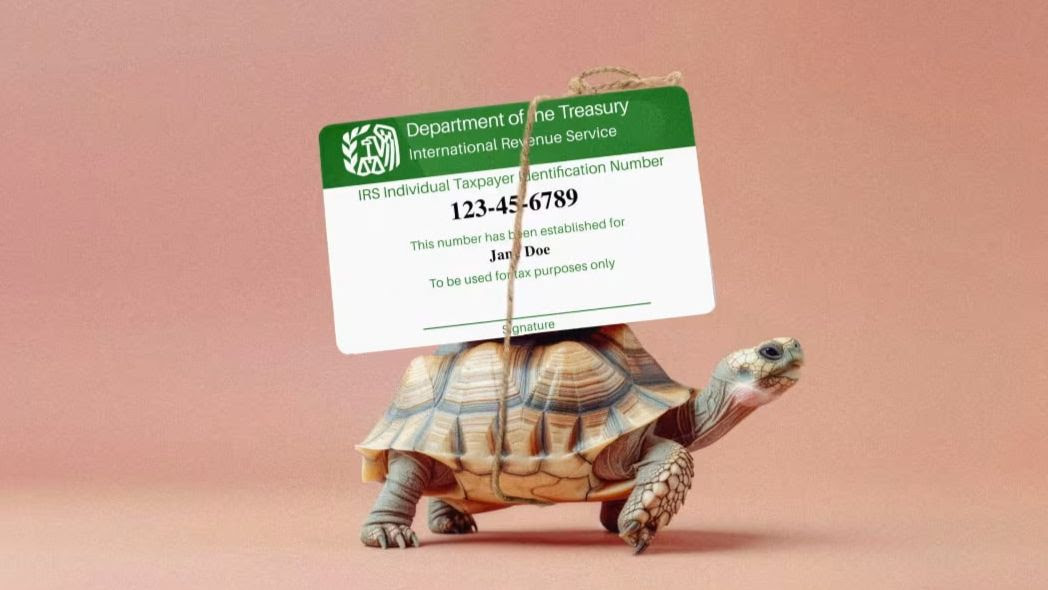
The IRS is struggling to process tax paperwork for foreign nationals, creating major delays for those needing Individual Taxpayer Identification Numbers (ITINs) to file their U.S. taxes.
With a backlog so large it could stack 11 times higher than the Statue of Liberty, many applicants face rejections, lost documents, and years-long waits—all without the help of modern digital tools.
While most Americans aren’t affected, foreign investors and workers contribute billions in tax revenue and are frustrated by the broken system.
The situation could worsen with President Trump’s federal hiring freeze and workforce reductions, but supporters argue that streamlining the IRS, cutting waste, and improving efficiency will ultimately strengthen the agency.
Whether these changes will ease the ITIN crisis or add to the tax gap remains to be seen.
Answer
Which of the following events had the largest single-day percentage drop in U.S. stock market history?
B. Black Monday (1987)
On October 19, 1987, known as Black Monday, the Dow Jones Industrial Average (DJIA) dropped 22.6% in a single day, marking the largest one-day percentage decline in U.S. stock market history.
While the Great Depression Crash (1929) and the 2008 Financial Crisis had severe long-term economic effects, their largest single-day losses were smaller in percentage terms.
The Dot-Com Bubble and COVID-19 market crash caused significant downturns, but neither resulted in a one-day drop as steep as Black Monday.