
Dear Friend,
Mortgage rates are brushing 7%, making homeownership feel like chasing Bigfoot—expensive, elusive, and probably a myth.
Meanwhile, TikTok is fighting for survival with a Supreme Court plea to avoid a January 19 ban, but legal experts say the app’s U.S. future is hanging by a thread.
On the financial front, if you’re 60-plus, new “super catch-up” rules for 2025 could let you stash $35K in your 401(k)—but you’ll need a solid strategy to make it count.
And speaking of counting, Americans are still footing the bill for Big Pharma’s global profits, with Trump eyeing price reforms that could upend the system.
Let’s dive into this week’s twists, turns, and strategies in the Insider Report!
Jeremy Blossom
Editor in Chief, Everlasting Wealth
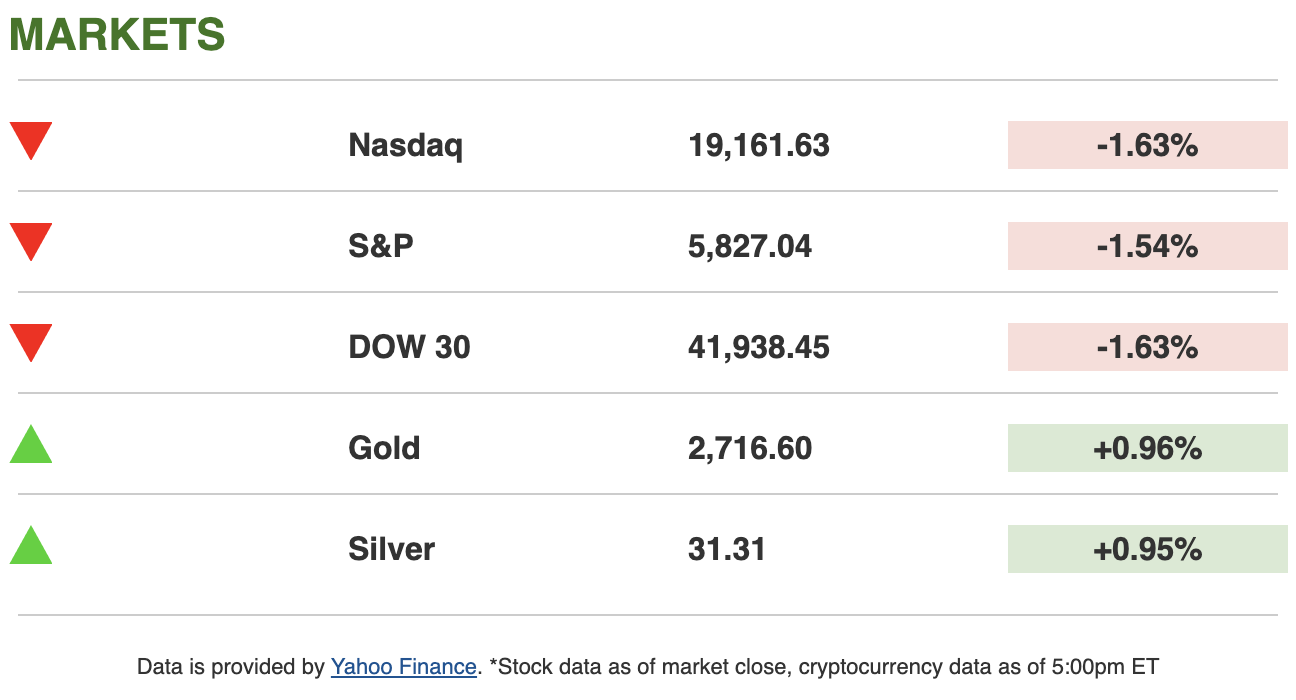
MARKET HEADLINES
📉 Chip Makers and Insurers See Market Movements Amid Global Concerns: Stocks like Nvidia and AMD dipped following reports of Biden’s planned chip export restrictions, insurers faced pressure from Los Angeles wildfire losses, while Delta Air Lines and quantum computing firms like IonQ rebounded after strong earnings and optimism.
💰 Crypto Market Awaits U.S. Jobs Report for Next Moves: Bitcoin and other cryptocurrencies remain volatile as stronger economic data and uncertain Federal Reserve policies raise concerns, with Friday’s jobs report expected to influence the trajectory of the crypto rally.
📊 Tesla’s Trading Range Offers Clues for Investors: After a sharp 18% decline from its record highs, Tesla stock shows a potential trading range between $350 and $480 in the coming months, offering opportunities for strategic buying and profit-taking.
🚫 Nvidia Criticizes Biden’s China Chip Policy: Nvidia’s stock fell as it condemned the Biden administration’s proposed export restrictions as counterproductive, while simultaneously forming a strategic AI partnership with Hyundai to expand mobility technologies.
🐂 Bull Market Faces Pivotal Third Year: With history suggesting increased correction risks during this phase of a bull market, investors are advised to brace for potential volatility in 2025 while positioning for long-term gains in cyclical and small-cap stocks.
Trump’s Big Pharma Beef: Should the World Pay Its Fair Share?
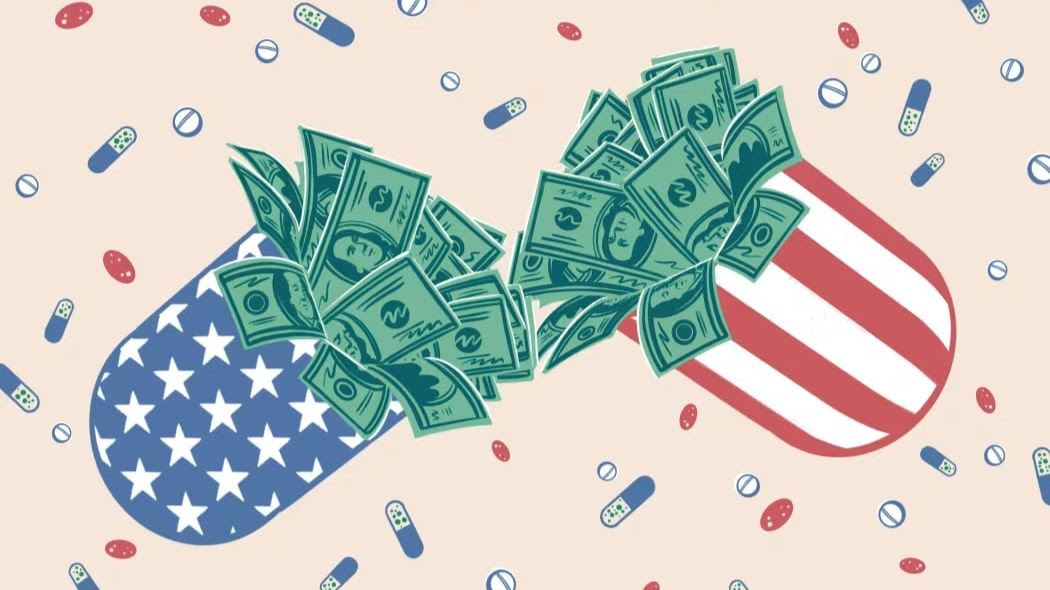
Americans are stuck paying 70% of Big Pharma’s global profits, with sky-high drug prices funding innovation that the rest of the world enjoys at a discount.
Trump’s eyeing a shake-up, potentially tying U.S. drug prices to what other nations pay, which could pressure Europe and beyond to fork over more—or lose access entirely.
While this might bring some price relief to U.S. consumers, it risks pharma companies pulling out of lower-paying markets or scaling back innovation.
With Americans paying three times more for prescriptions than most countries, Trump’s move could rattle markets and drugmakers alike.
Is it time for the world to stop freeloading off America’s pharmaceutical tab?
STOCKS TO WATCH
↘️ Allstate, Chubb, Progressive, Travelers: Insurance stocks declined, with Allstate falling about 5%, as early estimates suggested the Los Angeles wildfires could become the costliest in U.S. history.
↘️ Advanced Micro Devices (AMD), Nvidia (NVDA): Chip stocks slid in premarket trading following reports that the White House plans new restrictions on AI chip exports ahead of President Biden’s departure from office.
↗️ UBS: Shares of the Swiss bank climbed 1.5% premarket as UBS neared a settlement over Credit Suisse’s alleged violations of a prior U.S. Justice Department tax agreement involving American clients.
This Day in the Markets
📉 On this day in 2008, the Dow Jones Industrial Average suffered a dramatic plunge of 733.08 points, marking its second-largest single-day point drop at that time. The steep decline came amid escalating fears over the global financial crisis, driven by the fallout from the collapse of major financial institutions and worsening credit markets.
STOCK PICK OF THE WEEK
Brownstone Research
A New AI Revolution on the Horizon?
Jeff Brown made an entire career from making spot on tech predictions.
Like Nvidia in 2016… AMD in 2017… and Tesla in 2018.
But right now, he have another one that could eclipse them all.
It has to do with a little-known project that Bill Gates has been quietly working on that’s about to unleash an AI breakthrough so advanced, it’s going to make ChatGPT look like VHS.
But what’s even more unbelievable?
He believe it’ll make Nvidia’s meteoric rise look like a backyard bottle rocket.
And here’s the kicker.
Almost no one knows about it… yet.
This could be one of the fastest-moving profit stories of our time.
And if you want in on it, He recommend you act now.
Click here and I’ll tell you everything you need to know.
ECONOMY
Mortgage Rates: Higher Than Your Uncle’s Cholesterol Levels
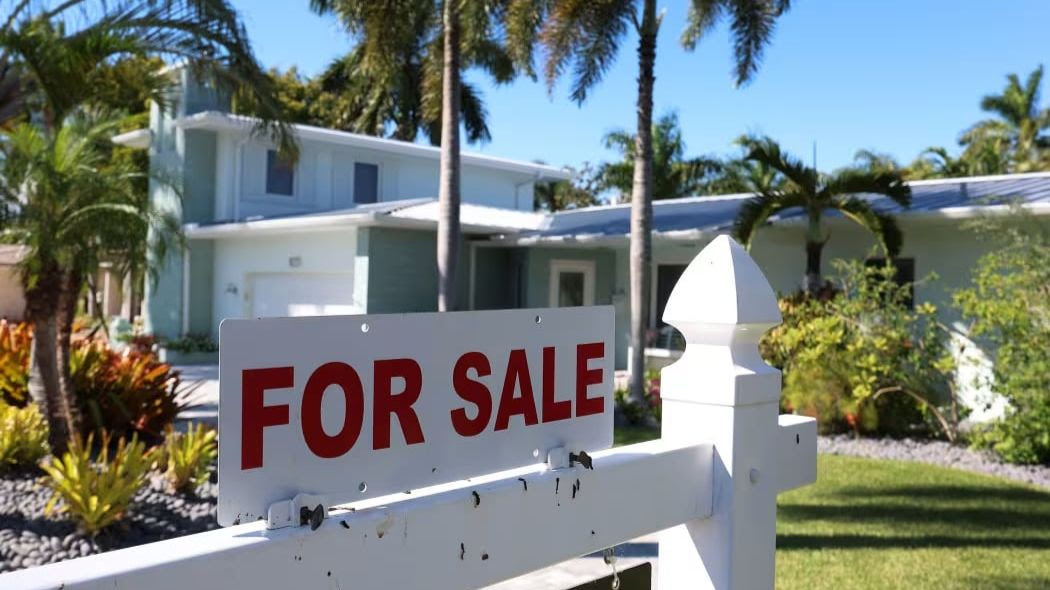
Mortgage rates are back up near 7%, the highest since last summer, making homeownership feel about as attainable as a winning lottery ticket.
Home sales are crawling along at barely two-thirds the pandemic frenzy, thanks to sky-high prices, a national housing shortage, and these ridiculous borrowing costs.
The Fed tried cutting rates last fall, but surprise—mortgage rates ignored it because global investors are too busy freaking out about inflation and growth, keeping Treasury yields high.
Now buyers and sellers are giving up on waiting for relief and diving in anyway, like jumping into a freezing pool just to get it over with.
Economists say rates might ease this year, but at this point, owning a home feels like a cruel joke we all fell for.
ECONOMY HEADLINES
📉 Soaring U.S. Treasury Yields Shake Global Markets: Rising U.S. bond yields, spurred by inflation concerns and fiscal uncertainty under the incoming Trump administration, are driving global economic turmoil, with the UK and China feeling the brunt of the ripple effects.
💰 Crypto Market Pauses Ahead of Key Jobs Report: Bitcoin and XRP remain volatile as investors await U.S. employment data, which could either reignite or dampen hopes for a continued crypto rally amid shifting interest rate expectations.
🔥 Climate Change Sparks Insurance Industry Resilience: Despite catastrophic losses from California wildfires, insurers remain profitable by raising premiums, leveraging reinsurance, and adapting to regulatory changes, ensuring the sector’s growth amid rising climate risks.
🏠 Los Angeles Wildfires Bring Record Losses: Insured damages from the L.A. wildfires are projected to exceed $20 billion, devastating affluent neighborhoods and landmarks while prompting federal aid and highlighting the growing financial toll of climate disasters.
✂️ Layoffs Hit Even Thriving Companies: Companies like Microsoft, BlackRock, and Ally Financial are cutting jobs not out of financial necessity but to streamline operations, manage costs, or refocus resources on future growth areas such as AI.
BUSINESS
TikTok’s Supreme Court Showdown: Can It Survive?
TikTok is scrambling to avoid a January 19 ban in the U.S., pleading with the Supreme Court to pause a law forcing its Chinese owner, ByteDance, to divest or shut down.
After a 3-0 loss in the DC Circuit, legal experts say TikTok’s odds are slim, as courts usually side with Congress on national security issues, even over First Amendment claims.
If the Supreme Court doesn’t intervene, major partners like Apple, Google, and Oracle may cut ties, effectively killing the app in the U.S.
This fight stems from a law targeting foreign-owned apps to counter security threats, but public support for banning TikTok has dropped sharply in recent years.
Trump has filed a brief to delay the deadline for potential negotiations, but with only a 30% chance of success, TikTok’s future in America looks shaky.
Future articles will cover updates from the Supreme Court, Trump’s involvement, and the fallout for users and businesses if TikTok disappears.
RETIREMENT
Retirement Savings Just Got a Super Boost for the 60+ Crowd

If you’re 60 to 63, 2025’s new “super catch-up” rules let you sock away nearly $35,000 in your 401(k), but maximizing this perk takes strategy.
Advisors recommend prioritizing your retirement buckets: grab your 401(k) company match first, then fund a Roth IRA (or use a backdoor Roth if your income’s too high) for tax-free withdrawals.
If you’ve got a high-deductible health plan, add to your health savings account (HSA) for its triple tax advantages.
Finally, top off your 401(k) with those juicy catch-ups.
Mixing pre- and post-tax contributions can boost flexibility later, and don’t forget: starting in 2026, high earners must make catch-ups as Roth contributions.
It’s a golden opportunity—but only if you plan smart!
Trivia
Which U.S. economic indicator measures the total value of new purchase orders placed with manufacturers for durable goods, providing insight into future manufacturing activity?
A. Industrial Production Index
B. Durable Goods Orders
C. Factory Orders
D. Manufacturing PMI
E. Capacity Utilization Rate
Scroll for the answer
TAXES
Avoid Penalties: What to Know About Estimated Taxes

If you missed your fourth-quarter estimated tax payment for 2024, you have until January 15 to avoid penalties, which are currently 7%.
Small-business owners, freelancers, and anyone with uneven income should note that the IRS assumes earnings are spread evenly throughout the year, so if you had a late-year windfall, using Form 2210 can help avoid penalties.
To simplify, experts suggest paying 100% or 110% of last year’s taxes as estimated payments to sidestep penalties entirely, even if your income skyrockets.
For 2025, remember you can adjust year-end withholdings on wages or bonuses to cover earlier shortfalls, but don’t wait—penalties add up fast.
Answer
Which of the following is the earliest year that the federal income tax became a permanent part of the U.S. tax system?
B. Durable Goods Orders
Durable Goods Orders represent the total value of new purchase orders placed with manufacturers for goods intended to last at least three years, such as appliances, vehicles, and machinery.
This monthly indicator, reported by the U.S. Census Bureau, provides valuable insights into future manufacturing activity and business investment.
An increase in durable goods orders suggests that businesses are confident in economic conditions and are willing to invest in long-term equipment, signaling potential economic growth.
Conversely, a decline may indicate uncertainty or anticipated slowdowns.
Analysts and policymakers closely monitor this indicator to assess the health of the manufacturing sector and to make informed economic forecasts.