Trump’s exit shakes markets and spooks investors

Dear Friend,
Jerome Powell didn’t raise rates, but his press conference practically screamed “don’t get comfy.”
Inflation’s back in the hot seat, rate cuts are on thin ice, and Wall Street’s dreams of easy money just hit a reality check.
Meanwhile, Trump’s tariffs, oil shocks, and G-7 dramatics are stoking the inflation fire—and investors are feeling the heat.
Also in this week’s chaos: retail sales dipped, solar stocks face a cold front, and Trump approved a $10B plan to turn the U.S.–Mexico border into a robot freight highway (because of course he did).
Keep reading this edition of the Everlasting Wealth Insider Report—there’s a lot to unpack.
Jeremy Blossom
Editor in Chief, Everlasting Wealth
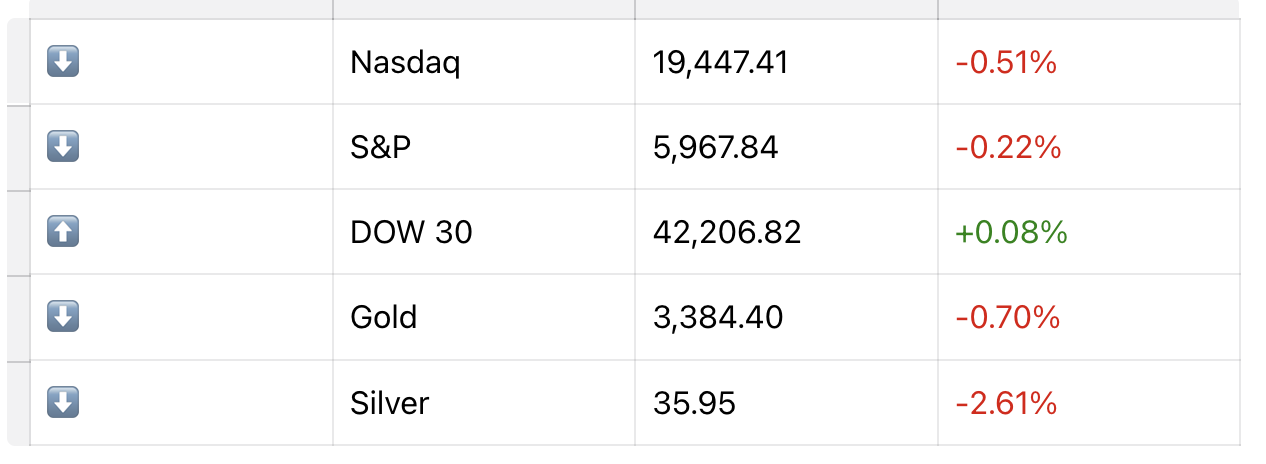
MARKET HEADLINES
📈 Bitcoin edged higher but remained well below recent highs, with analysts suggesting a continued drop in the dollar from U.S. tariff policies could spark crypto gains despite the Israel-Iran conflict.
🌍 Global stocks fell and oil prices rose on fears of Middle East escalation as Trump weighs an attack on Iran, while the Fed’s rate outlook remained steady.
🚘 Tesla is facing calls from Texas lawmakers to delay its robotaxi launch until new self-driving laws take effect, but market focus remains on geopolitical tensions and Fed policy uncertainty.
📊 Despite market turmoil from tariffs and geopolitical risk, stocks like Palantir, Coinbase, and Seagate have soared, proving the resilience of thematic and AI-driven investing strategies.
🇬🇧 The Bank of England held rates steady in line with the Fed, signaling more gradual cuts ahead amid inflation worries tied to energy prices and Trump’s trade policies.
🔧 U.S. Steel and Nippon Steel finalized their merger, creating the world’s second-largest steelmaker and reshaping the industry landscape with promises of major U.S. investment.
💳 Credit card fees are surging as issuers like Chase and Amex compete for premium users, which may boost earnings but also raise costs and benefit metal card producer CompoSecure.
💵 Stablecoins may bolster dollar dominance amid global digital currency competition, but critics warn they could also fragment the financial system and fuel illicit activity despite new regulations.
🛢️ Oil prices remain volatile as the Israel-Iran conflict continues, with traders bracing for supply shocks through the Strait of Hormuz that could trigger inflation and market disruption.
🪙 Despite a Senate win for stablecoin regulation, crypto prices stagnated as investors focus on Middle East risks and await Fed signals that could sway risk appetite in digital assets.
Markets Blink as Powell Turns Hawkish—Despite Trump’s Pressure and Tariff Turbulence
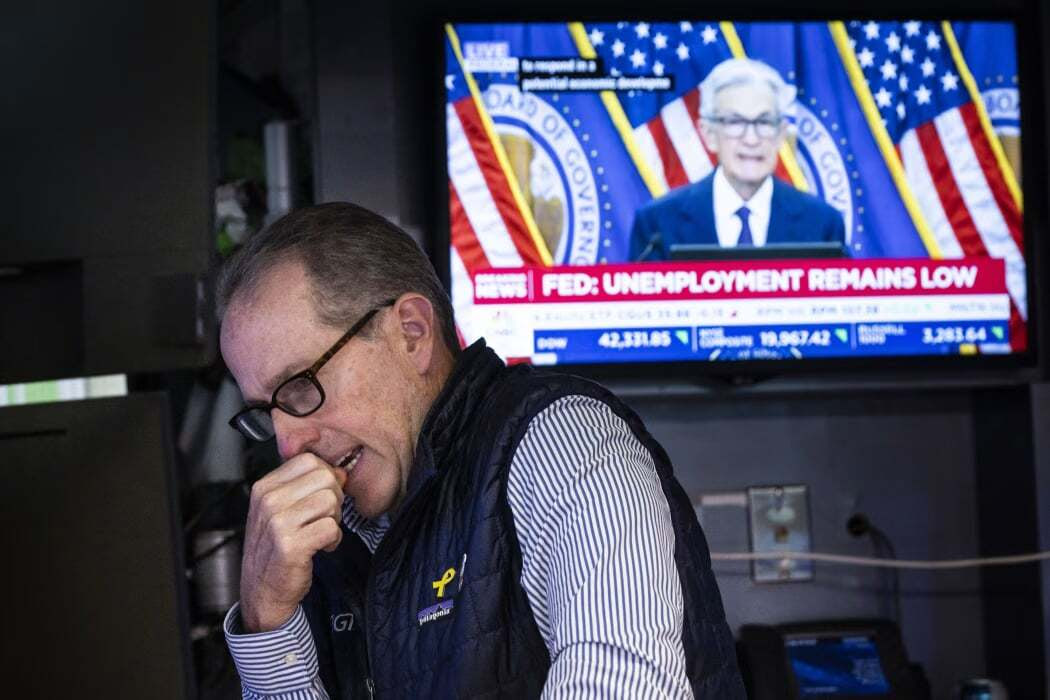
The Fed kept rates unchanged, but you wouldn’t know it from Jerome Powell’s tone.
In a move that rattled Wall Street’s recent calm, the Fed Chair made it clear that inflation—not economic softness—is front and center.
While a slim majority of Fed officials still pencil in two rate cuts for 2025, nearly half now expect none at all, shaking investor assumptions of an imminent pivot.
Powell warned of “a meaningful amount of inflation” incoming—possibly exacerbated by Trump’s aggressive tariff plans and rising oil prices from the escalating Israel-Iran conflict.
The markets didn’t nosedive, but the tremors were clear: the Dow inched down 0.1%, the 10-year yield ticked higher, and crypto stocks like Coinbase popped after stablecoin regulation passed the Senate.
Despite Trump’s push for cuts (and a not-so-presidential jab calling Powell “a stupid person”), the Fed isn’t budging yet.
Investors are now left pricing in higher-for-longer rates against a backdrop of political pressure, trade frictions, and global uncertainty.
The takeaway? Rate relief may still be coming—but don’t hold your breath.
STOCKS 2 Watch
↘️ Amazon (AMZN): The tech giant’s shares ended the session down about 1%, though they ticked up slightly in after-hours trading. The company announced it expects workforce reductions over time due to the growing integration of artificial intelligence, which will make some roles obsolete.
↗️ Nintendo (NTDOY), (JP:7974): The gaming powerhouse saw its American depositary receipts climb after its Tokyo-listed stock hit a new record high. The surge follows reports of record-breaking sales for the new Switch 2 console last week.
↗️ Scholar Rock (SRRK): Shares in the biotech firm soared more than 16%, continuing to climb after hours, following encouraging results from a Phase 2 trial of its experimental weight-loss treatment.
↗️ Circle Internet Group (CRCL): Stock in the stablecoin firm skyrocketed nearly 34% after lawmakers passed the Genius Act, a new regulatory framework for cryptocurrency. The newly public company has actively supported such measures to provide industry legitimacy.
↗️ Jabil (JBL): The electronics manufacturing specialist continued its upward momentum from Tuesday, bolstered by stronger-than-expected quarterly earnings and a lifted annual forecast.
↗️ Hasbro (HAS): Despite announcing job cuts of around 150 employees—roughly 3% of its staff—shares in the toy company edged higher to close at $67.93, before dipping slightly after hours. The restructuring is part of a long-term transformation plan, and the company had previously warned tariffs could trigger layoffs.
Fact of the Week
With over $600 billion in annual revenue, Walmart earns more than the GDP of more than 150 countries, including Sweden, Argentina, and South Africa. It employs 2.1 million people worldwide—more than the population of New Mexico—and its supply chain is so vast it has influenced global manufacturing standards.
ECONOMY
Trump Turns Up the Heat: War Talk, Tariffs, and Wall Street Wobbles
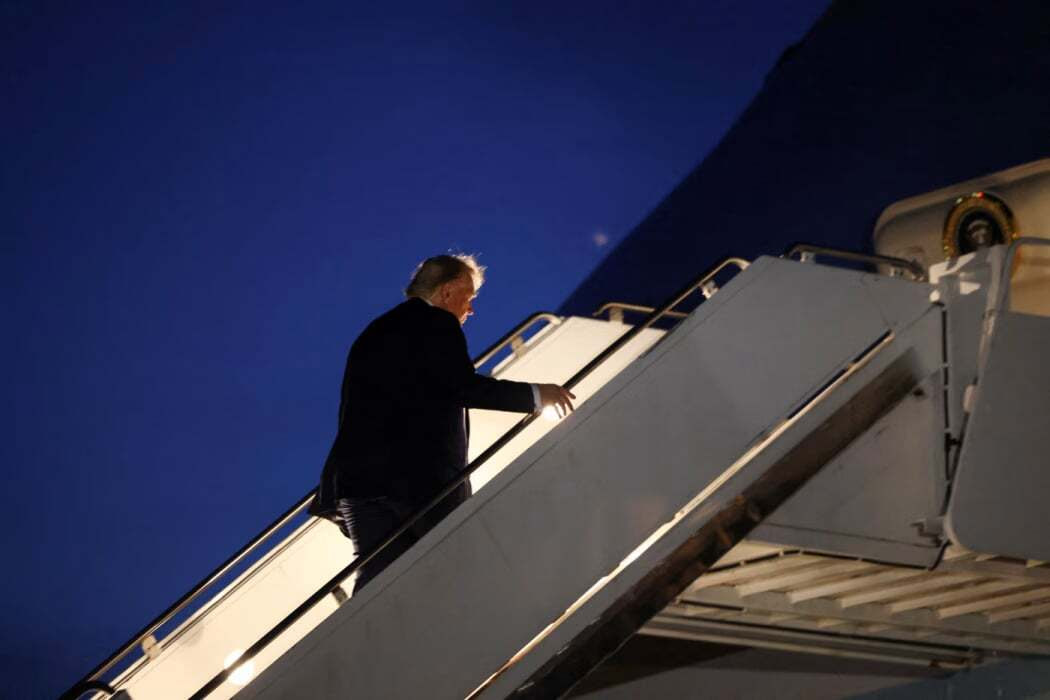
The markets threw a mini tantrum this week as oil surged and stocks dipped—thanks in part to Trump’s “peace through strength” playbook heating up in the Middle East.
After calling for Iran’s unconditional surrender and teasing a possible U.S. strike, crude prices jumped 4.3%, their biggest pop since January.
That’s great for energy stocks (hello, Chevron), but not so great for inflation-watchers—or your next fill-up at the pump.
Meanwhile, Trump’s early G-7 exit means tariff tensions are still unresolved, and investors are jittery about the Fed holding off on rate cuts.
Retail sales slipped 0.9% in May, signaling folks are finally getting stingier.
Between sky-high energy, stubborn tariffs, and economic “meh,” the only thing cooling off faster than inflation is market optimism.
And just to top it off, solar stocks tanked after Senate Republicans stuck to phasing out those feel-good, taxpayer-funded green energy credits. Finally—some sanity.
Economic Headlines
🛢️ Oil prices are rising amid Israel-Iran tensions, but historical patterns suggest supply fears are often overblown, with shipping routes and market adaptations typically easing long-term disruption.
📊 The Fed held rates steady but warned that tariffs will likely push inflation higher, with Chair Powell highlighting uncertainty in the economic outlook and growing internal division over rate cut timing.
💸 Foreign investors dumped $41 billion in long-term Treasuries following Trump’s tariff announcement, raising concerns about U.S. debt demand and contributing to one of the largest selloffs in decades.
🏛️ State and local austerity measures could undermine a federal recession response, and economists argue that reviving municipal borrowing—with Fed support—may be critical to cushioning a future downturn.
🏠 Mortgage rates dipped slightly, but buyers and sellers remain gridlocked as affordability challenges, elevated home prices, and geopolitical uncertainty continue to weigh on market confidence.
🤖 AI could ultimately help tame inflation by improving efficiency and reducing labor and energy costs, but experts warn it may also push interest rates higher due to new investment and productivity dynamics.
📉 Social Security and Medicare trust funds are projected to run out sooner than expected, with benefit cuts looming by 2033 unless Congress acts, highlighting worsening demographic and fiscal pressures.
🪙 The Senate passed a long-awaited stablecoin bill, marking a major step for crypto regulation, but broader legislation to govern all digital assets may face political roadblocks tied to SEC oversight concerns.
🔨 Lennar’s earnings slump reflects a sluggish housing market where buyers are hesitant due to high rates and tariffs, forcing builders to ramp up incentives at the expense of profit margins.
Trivia
Which federal agency insures deposits at most U.S. commercial banks and savings institutions?
A. Federal Reserve
B. U.S. Treasury Department
C. Securities and Exchange Commission (SEC)
D. Federal Deposit Insurance Corporation (FDIC)
E. Office of the Comptroller of the Currency (OCC)
Scroll for the answer
BUSINESS
Robot Roads, Trade Wars & Supply Chain Judo
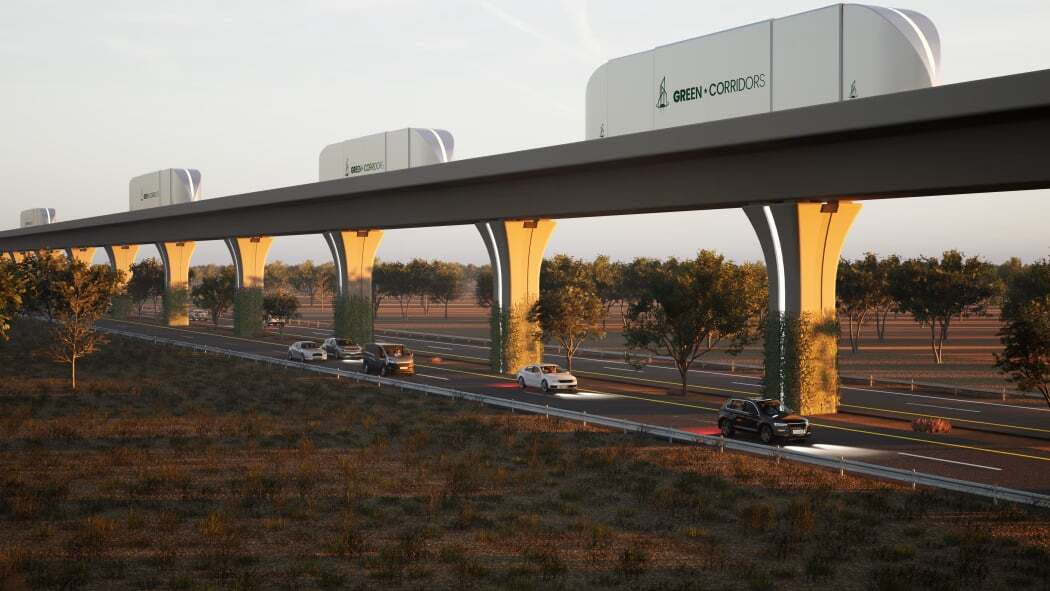
In a move that helps businesses, Trump just approved a $10 billion private project to unclog our busiest trade artery with Mexico.
A startup called Green Corridors is building a 165-mile elevated “guideway” for autonomous hybrid shuttles to haul freight between Monterrey and Laredo.
Translation: fewer trucks idling at the border, and a supply chain that doesn’t grind to a halt every time someone sneezes at Customs.
With U.S. importers already reeling from tariffs on China, this project could quietly shift even more production to Mexico—just don’t expect it to be finished until 2031.
Still, it’s a strong signal that business leaders and investors are betting on North America (not Beijing) for the next manufacturing boom.
And leave it to Trump to crack down on labor and sign off on high-tech trade infrastructure—all in the same news cycle.
Answer
Which federal agency insures deposits at most U.S. commercial banks and savings institutions?
D. Federal Deposit Insurance Corporation (FDIC)
The FDIC is an independent federal agency created in 1933 to restore trust in the American banking system during the Great Depression.
It insures deposits up to the legal limit (currently $250,000 per depositor, per insured bank), protecting consumers in the event of a bank failure.
This insurance coverage helps maintain stability and public confidence in the U.S. financial system.
Unlike the Federal Reserve or SEC, which focus on monetary policy and securities regulation, the FDIC’s core mission is to safeguard depositors.