
Dear Friend,
It’s a “less bad” kind of week for U.S. manufacturing—the ISM index rose to 49.3 in December.
Still under 50, but hey, progress is progress, right?
Meanwhile, Biden blocked a $14 billion steel deal, citing “national security,” which sounds suspiciously like “keeping unions happy.”
Oh, and retirement? It’s all about heated bidets, pickleball, and a “no-sorrys” life philosophy now.
Plus, could 2025 make it three years of massive market gains?
Wall Street seems to think so—unless AI starts shorting stocks.
Keep reading for all the latest in this edition of the Insider Report
Jeremy Blossom
Editor in Chief, Everlasting Wealth
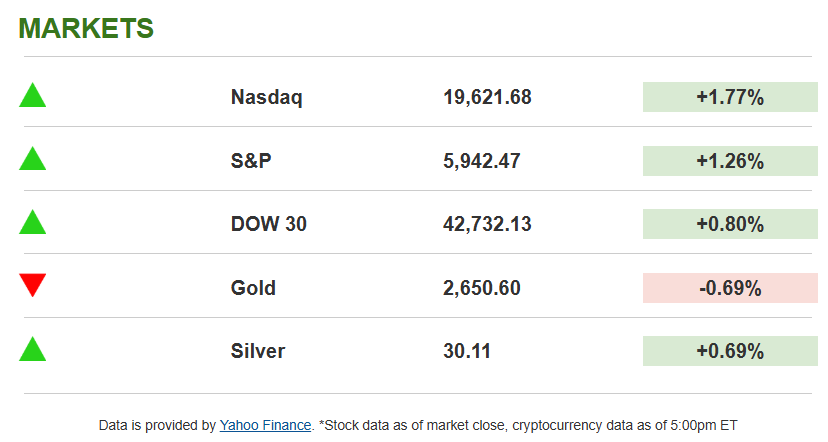
MARKET HEADLINES
🎥 Netflix is diving into live sports with WWE’s Monday Night Raw, a move reflecting its broader ambitions, but the streaming giant faces challenges as investors question its valuation amidst falling shares and high inflation.
🍺 A report by the U.S. Surgeon General linked alcohol consumption to preventable cancers, citing tens of thousands of cases and deaths annually, which led to a decline in stocks for beverage giants like Anheuser-Busch, Molson Coors, and Constellation Brands.
✈️ Boeing’s push to rebuild its reputation by improving manufacturing processes and addressing safety concerns hasn’t reassured investors, as skepticism about the company’s long-term profitability lingers.
🚗 Carvana saw its shares dip following allegations from Hindenburg Research of risky accounting and lending practices, though some analysts remain optimistic about the used-car retailer’s fundamentals and urge investors to capitalize on the lower stock prices.
📊 Rivian exceeded expectations with strong delivery numbers, Tesla faced pressure from falling sales, and U.S. Steel encountered headwinds after President Biden blocked its proposed $14 billion sale to Nippon Steel to protect domestic ownership.
Third Year of 20% Market Gains? Here’s Why 2025 Could Be a Bull Run Hat Trick
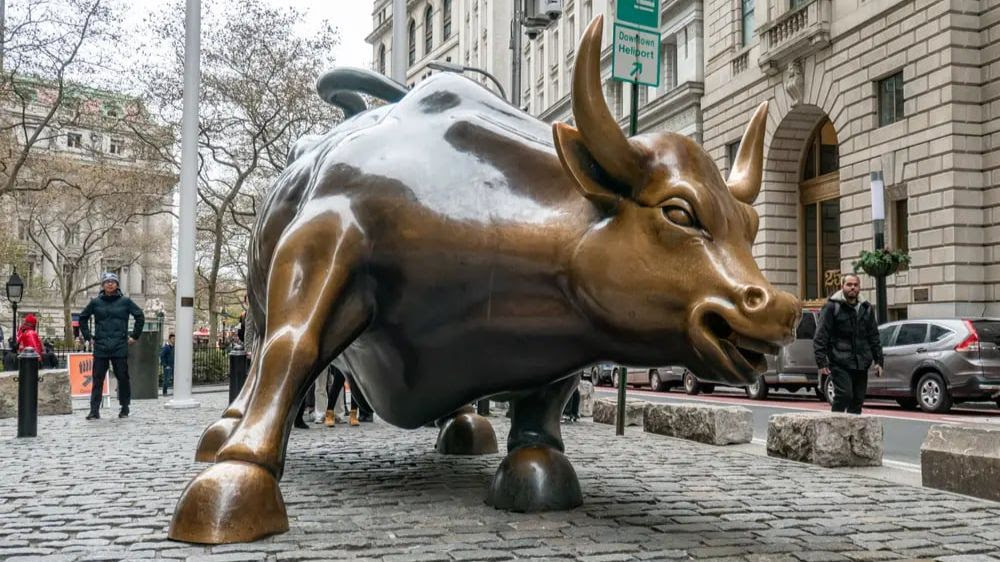
The stock market’s hot streak might just keep sizzling in 2025, with Capital Economics predicting another 20% gain for the S&P 500.
If they’re right, it’ll be the first triple-play like this since the late ’90s dot-com boom. The big drivers? AI mania and America’s economic mojo.
Investors are still pumped about AI, with Big Tech expected to rake in even higher valuations.
And here’s the kicker: compared to the dot-com bubble, today’s valuations have room to grow.
Meanwhile, the U.S. economy is flexing hard, leaving other advanced economies eating our dust.
The cherry on top? A second Trump term could juice U.S. stocks by shielding domestic markets with tariffs and squeezing international competition.
So, whether you love or hate Trump, Wall Street sees his trade policies giving American stocks a relative edge.
Get ready for another wild ride—assuming AI doesn’t suddenly learn how to short the market.
STOCKS TO WATCH
↗️ Tesla: Shares gained ground in premarket trading, recovering from a five-session losing streak that erased 18% of its value. The company recently reported its first annual decline in vehicle deliveries in over a decade.
↘️ U.S. Steel: Dropped 8% premarket following reports that President Biden is set to block its $14.9 billion acquisition by Japan’s Nippon Steel. The proposed deal has faced pushback from unions and lawmakers.
↗️ Constellation Energy: Climbed higher premarket, continuing Thursday’s rally after securing more than $1 billion in U.S. government contracts. Fellow nuclear-plant operator Vistra also saw gains in early trading.
↘️ Carvana: Fell 3% in premarket activity after short-selling firm Hindenburg Research published a critical report. Carvana dismissed the allegations made by the firm.
This Day in the Markets
📈 On this day in 1999, the Nasdaq Composite closed above 2,250 for the first time, marking a significant milestone during the dot-com boom. Fueled by widespread optimism about the internet’s transformative potential, technology and internet stocks surged, often achieving lofty valuations despite limited earnings or business histories.
STOCK PICK OF THE WEEK
Weiss Research
With Donald Trump’s Return to the Oval Office, the War on Crypto is Over
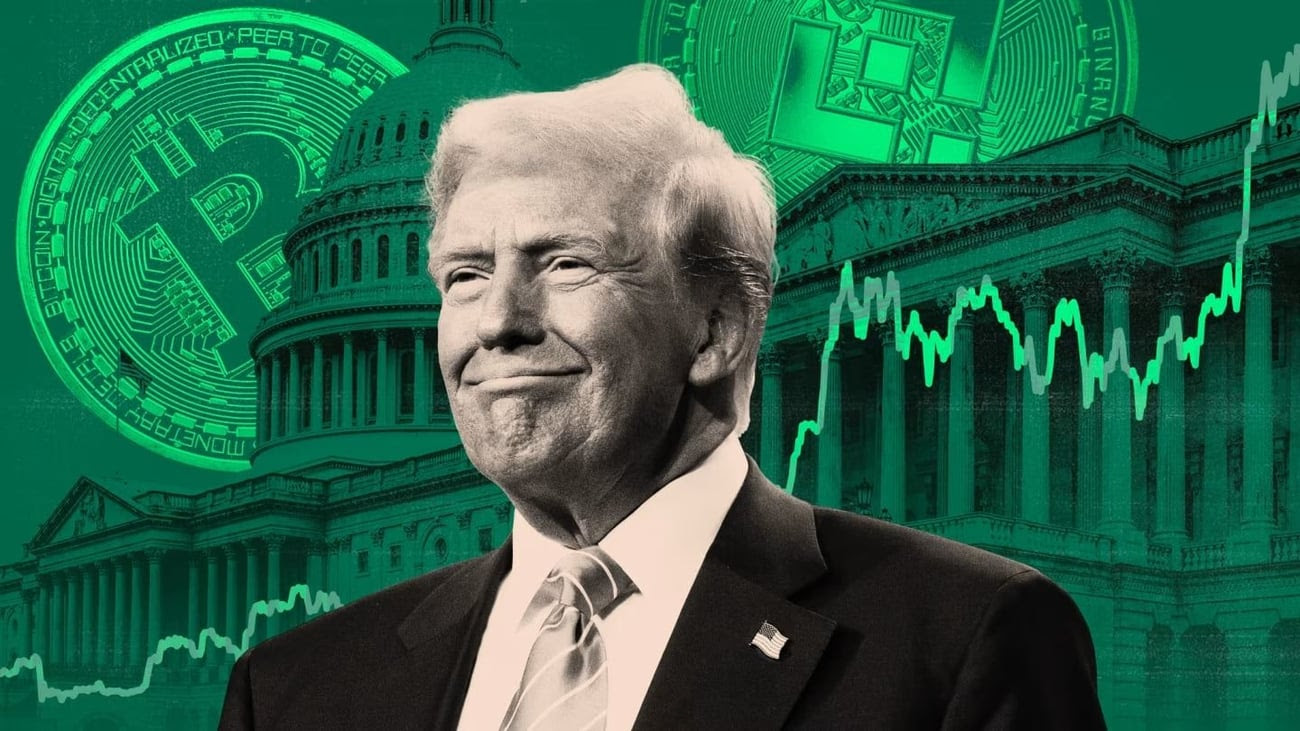
The digital currency is not only set to be released from its constraints … it could be about to explode.
Trump has vowed to roll back Biden’s “crusade against crypto” on his first day in office.
Promising that crypto is “going to the moon” and that America will become “the crypto capital of the planet.”
He’s pushed for an increase in crypto mining in the United States.
And legislation has already been proposed to create a strategic reserve for Bitcoin.
The market has already responded … with Bitcoin surging to all-time highs in the aftermath of Trump’s victory.
But there’s one special coin who could reap the biggest benefits of a Trump presidency.
It could be the centerpiece of Trump’s Project Crypto.
ECONOMY
Manufacturing Still Slumping, But Hey, It’s Slumping Less!
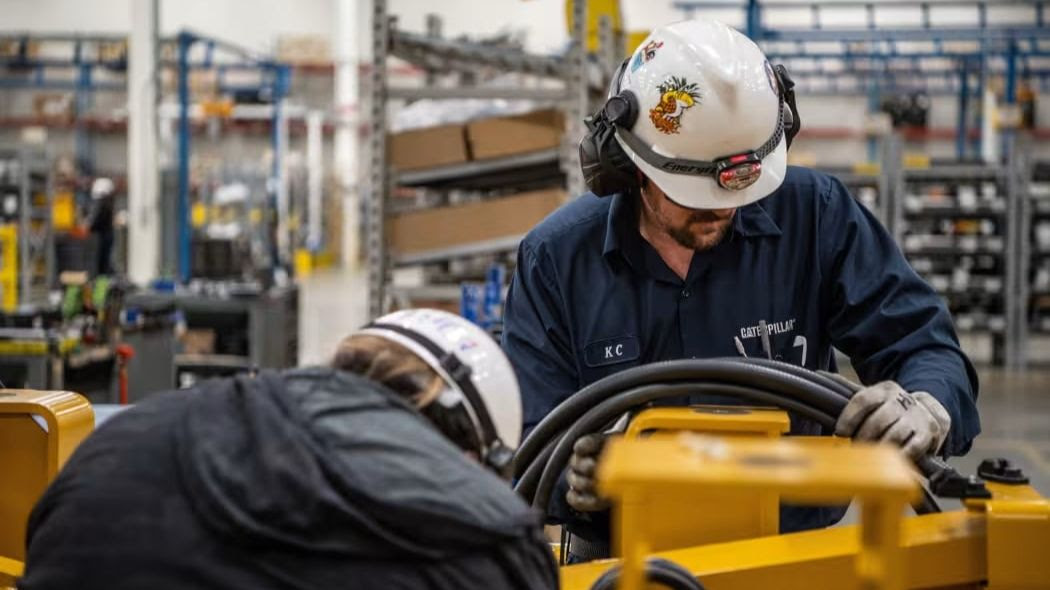
So, U.S. factories are still stuck in reverse, but now they’re reversing a little slower.
The ISM’s manufacturing index crawled up to 49.3 in December—better than November’s 48.4, but still under that magical 50-point mark that says, “Hey, we’re actually growing.”
Economists were expecting worse, so I guess that’s progress? Demand and production showed some life, but employment and backlogged orders are still a hot mess.
Fun fact: none—yes, none—of the major manufacturing industries managed to grow last month.
Apparently, even the food and beverage folks are worried, which is wild because people always need snacks.
So, while the spin is “less bad,” the reality is America’s factories are still doing the economic equivalent of treading water in cement boots.
ECONOMY HEADLINES
🌍 U.S. tech companies, including Amazon, Google, and Tesla, heavily rely on the H-1B visa program to fill crucial roles in STEM fields, fueling debates over balancing skilled foreign labor with opportunities for American workers.
🏠 Home improvement and furniture retailers such as Lowe’s, Home Depot, and Big Lots faced steep challenges in 2024 as elevated mortgage rates, inflation, and sluggish home sales deterred consumers from investing in renovations or new furnishings.
⚖️ China’s response to U.S. tariffs is constrained, as aggressive measures like export restrictions and corporate sanctions could backfire, deepening its economic isolation and pushing trade partners toward alternative suppliers.
👶 Economic pressures, rising expectations, and evolving cultural norms are reshaping adulthood for U.S. 30-somethings, with many delaying or forgoing traditional milestones like homeownership, marriage, and parenthood, raising concerns about a lasting shift in generational behaviors.
⚙️ The rise of AI and other advanced technologies is boosting productivity in the U.S., enabling businesses to do more with fewer resources, though fears persist about job displacement and the longevity of this growth trend.
BUSINESS
Biden Blocks Nippon Deal, Citing National Security and Union Pressure
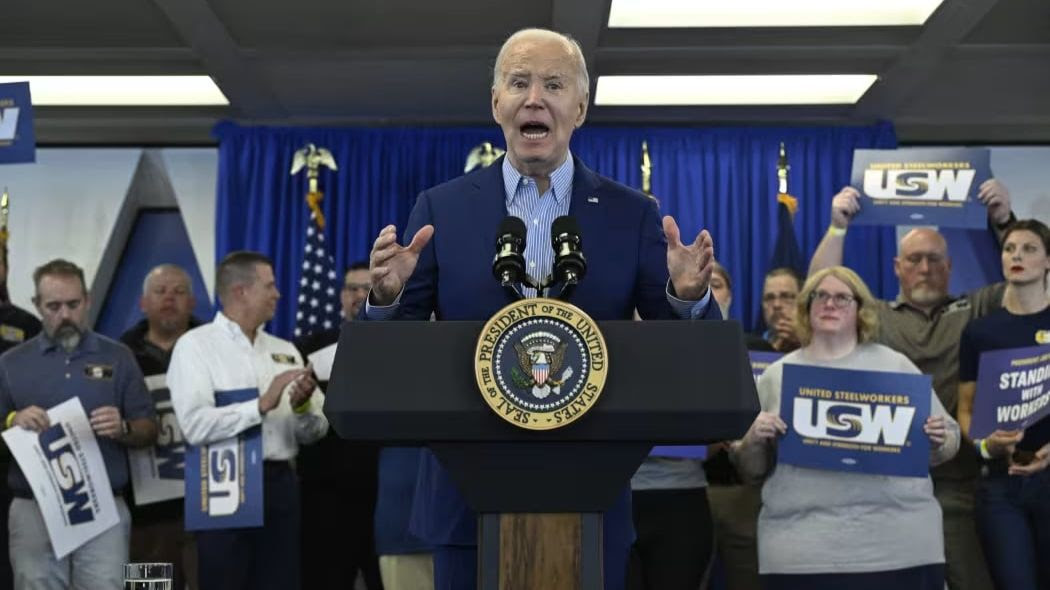
Biden just nixed Nippon Steel’s $14.1 billion offer for U.S. Steel, claiming it’s all about safeguarding America’s steel industry and national security.
Sure, keeping U.S. Steel out of foreign hands sounds patriotic, but this decision also plays nicely into union demands—an important voting bloc for Democrats.
Nippon had pledged to invest billions into aging plants and honor worker contracts, but apparently, that wasn’t enough to sway the administration.
What’s interesting is that both sides of the aisle were skeptical of the deal, with Republicans and even Trump-era tariffs framing steel as a strategic asset.
Biden’s move is being hailed by the unions, but it puts U.S. Steel in a tight spot.
Without the sale, the company might shut plants or cut production, leaving the future of this 124-year-old American icon up in the air. It’s a bold political play, but time will tell if it truly secures steel’s role in America’s economy—or just secures union votes.
RETIREMENT
Retirement Goals: From Heated Toilet Seats to Pickleball Mastery

Looks like these retirees are tackling 2025 with a mix of cozy comforts and bold new adventures.
Their mantra? Balance the familiar (like heated bidet seats—talk about living the dream) with stepping outside their comfort zone.
After years of travel, they’re trying to find joy closer to home, whether it’s becoming regulars at a tiny Japanese restaurant or diving into pickleball despite wearing the “wrong” shoes.
The twist? They’ve adopted a “no-sorrys” rule—borrowed from their pickleball instructor—to embrace imperfection.
It’s about enjoying life, whether it’s binging TV, fixing bikes for charity, or even nervously knocking on strangers’ doors to chat about local issues.
It seems retirement isn’t just about slowing down; it’s about getting comfortable with new challenges while appreciating the small joys at home.
Trivia
Which U.S. economic indicator is often regarded as a predictor of future inflation and consumer spending patterns due to its measurement of the average change in prices paid by urban consumers for goods and services?
A. Producer Price Index (PPI)
B. Consumer Price Index (CPI)
C. Personal Consumption Expenditures (PCE) Price Index
D. Bureau of Labor Statistics (BLS) Retail Report
E. Federal Reserve Core Price Gauge
Scroll for the answer
TAXES
Property Taxes Are Breaking Homeowners’ Budgets
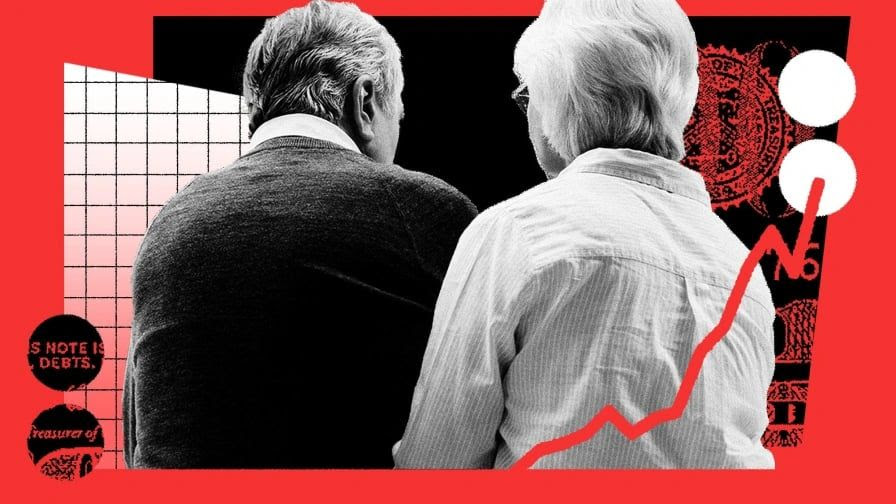
It’s no longer just the mortgage making homeownership feel impossible—property taxes are ballooning, rewriting the rules for homeowners nationwide.
With soaring home values, tax bills are climbing faster than ever, now taking up an average of 32% of a single-family mortgage payment, according to recent data.
In some areas, like New York’s Rochester and Syracuse, property taxes alone eat up more than half of monthly payments for many borrowers.
These rising taxes don’t just hit new buyers.
Retirees and fixed-income homeowners, who once thought they were safe after paying off their mortgages, are now struggling under the weight of unexpected increases.
And since property tax hikes rarely reverse, many families are forced to rethink their budgets—or even sell their homes.
As housing costs hit new highs, property taxes are becoming a key driver of the growing affordability crisis, turning the American dream of homeownership into a steep uphill climb.
Answer
Which U.S. economic indicator is often regarded as a predictor of future inflation and consumer spending patterns due to its measurement of the average change in prices paid by urban consumers for goods and services?
B. Consumer Price Index (CPI)
The Consumer Price Index (CPI) measures the average change in prices paid by urban consumers for a basket of goods and services. It is a key economic indicator used by policymakers, businesses, and investors to gauge inflation and cost-of-living changes.
A rising CPI often indicates inflationary pressures, which can lead to adjustments in monetary policy, while a stable or declining CPI may signal lower inflationary risks.