
Dear Friend,
The dockworkers strike that almost tanked the economy has been called off—whew!
They walked away with a 62% raise, though they were gunning for 77%.
Meanwhile, Tesla’s sales are up, but Wall Street’s yawning, and Elon’s got a big robotaxi reveal coming up to try and turn things around.
Oh, and if you’ve ever wondered why they’re pushing you to ditch cash for digital payments…you might want to keep an eye on what they are really up to.
Catch all the juicy details in this edition of the Everlasting Wealth Insider Report!
Jeremy Blossom
Editor in Chief, Everlasting Wealth
MARKET HEADLINES
🚗 Tesla’s sales are up—but Wall Street isn’t impressed. After two quarters of declining sales, Tesla finally saw a 6.3% bump from July to September. But even though they delivered 462,890 vehicles, it wasn’t enough to meet Wall Street’s expectations, which caused Tesla’s stock to dip. EV sales in general are on the rise, which means more competition for Tesla. Now, all eyes are on Elon Musk and his upcoming robotaxi reveal on October 10!
📉 Powell hints at more rate cuts…but don’t hold your breath. Fed Chair Jerome Powell said they’re open to lowering interest rates, but it’ll be a slow and steady process, depending on how the economy holds up. He emphasized that the economy is solid, and the Fed is watching the data closely. Basically, no one’s rushing to cut rates, so we’ll have to be patient.
🤖 Newsom vetoes controversial AI safety bill. California Gov. Gavin Newsom nixed a bill that would have set the first-ever regulations on large AI models. While the bill was well-intentioned, he felt it missed the mark by focusing too much on the size of AI models instead of how they’re actually used. The bill sparked a divide in the tech world, with big companies like Meta and Microsoft opposing it, while Elon Musk and others supported tighter regulations.
🌪️ Hurricane Helene’s devastation becomes clearer. The death toll from Hurricane Helene has hit at least 91, and it could rise further, especially in North Carolina, where the governor called it an “unprecedented tragedy.” Millions are still without power, and the storm’s damage could reach $110 billion, potentially making it one of the costliest in U.S. history.
Dockworkers Strike Ends, Economic Disaster Averted—For Now
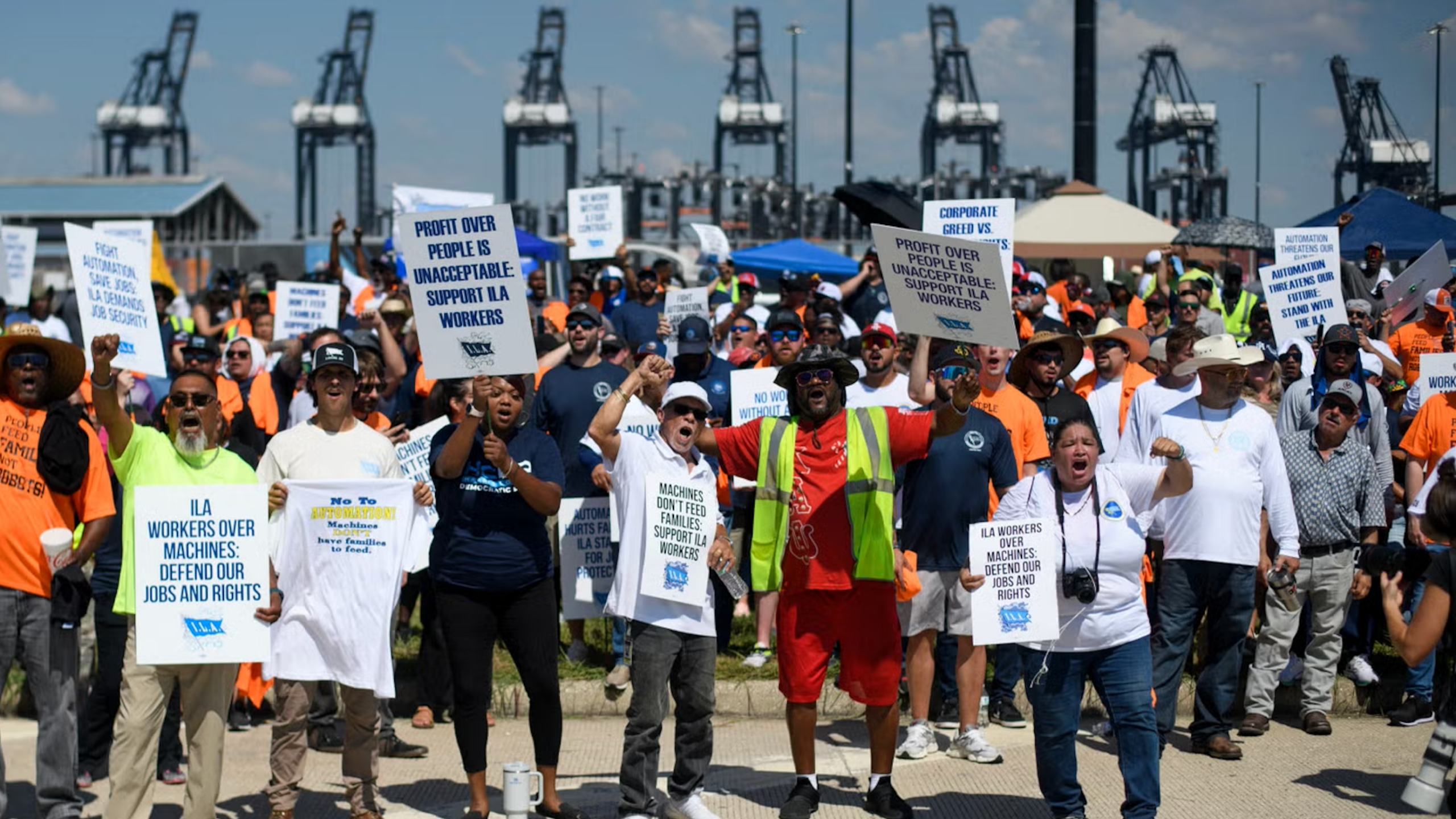
Well, the dockworkers strike that was about to send our economy into a tailspin has been called off.
After three days of drama, a deal was reached with a 62% wage increase over six years (they wanted 77%, but hey, who’s counting?).
Both sides shook hands, agreed to kick the can down the road until January 2025, and left automation issues for another day.
Meanwhile, Biden was busy “letting the process play out”—though behind the scenes, his team was nudging the ocean carriers to cough up a better offer.
Looks like those “patriotic” companies finally caved after some gentle encouragement from the White House.
Crisis averted—for now. Let’s see how long this truce holds before we’re back on the brink again.
STOCKS TO WATCH
↘️ Levi Strauss: The clothing company lowered its revenue outlook for the year and hinted at a possible new attempt to sell its Dockers brand. Shares dropped over 10% in premarket trading.
↘️ Tesla: The electric vehicle maker’s stock declined 1.5% premarket, following a 3.5% drop the previous day after reporting third-quarter deliveries.
🔎 Constellation Brands: The company, known for popular beer brands like Modelo and Pacifico, is set to release its earnings report before the market opens.
↘️ Alibaba, PDD Holdings, JD, NIO: U.S.-listed shares of these Chinese companies fell in premarket trading as the rally sparked by Beijing’s stimulus measures started to lose momentum.
↗️ Occidental Petroleum, ConocoPhillips: Shares of these U.S. energy companies surged in premarket trading, fueled by a spike in oil prices following the Iran strikes. European energy giants like BP also saw gains.
This Day in the Markets
📉 Paul Volcker’s October 6, 1979, decision to tighten monetary policy is regarded as one of the most pivotal moments in U.S. economic history, successfully taming inflation and restoring confidence in financial markets despite causing a recession.
STOCK PICK OF THE WEEK
Weiss Research
Protect Your Wealth: 3 Ways to Stay Private in a World of Digital Surveillance

Remember all the prodding to give up cash and shift to electronic payments instead?
“Ease of use!” was their pitch. “Cash is too cumbersome,” they insisted.
But have you ever wondered about the hidden agenda behind all that prodding?
Digital transactions are easier for THEM to track!
Every digital transaction leaves a trail, making it easy for them to monitor your spending habits, income sources, and financial decisions in real time.
And now, the capabilities of digital surveillance are at unprecedented levels.
The government is putting a new system in place that will give it the power to:
-
Gain nearly total surveillance over nearly all your financial transactions.
-
Potentially freeze your accounts or limit your spending at will.
-
Ensure every penny is accounted for and taxed.
-
Track private details about your lifestyle, political preferences and behavior.
But you don’t have to be a helpless pawn in their game.
ECONOMY
Banking on Rate Cuts: Will Lower Rates Help or Hurt?
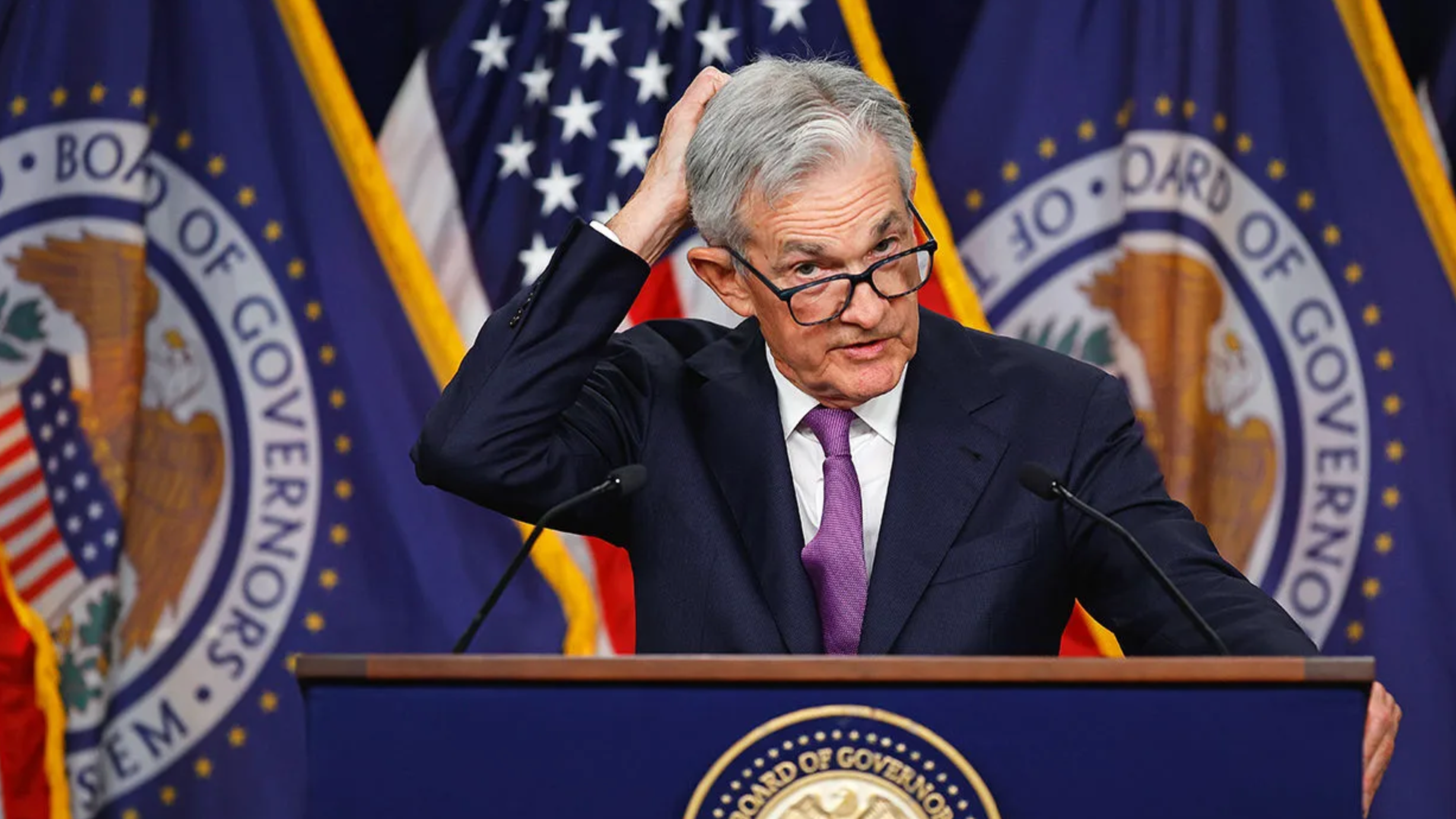
Looks like banks are in for a wild ride as interest rates drop.
Sure, lower rates mean banks won’t earn as much on loans, but they’ll also pay less on deposits.
Once that balances out, they’ll be back to making more money off of us. Remember how they jacked up deposit rates faster than loan rates two years ago?
Now it’s the reverse—so maybe we’ll see some savings accounts losing their sparkle, but hey, mortgage refis are about to boom.
Speaking of mortgages, rates have dropped to 6.08%, and while that sounds great, don’t get too excited—it’s not likely to dip much further before 2025.
Maybe a handful of lucky homeowners will shave off some points by refinancing, but we’re not seeing 5% rates anytime soon unless the Fed magically fixes the gap between Treasury yields and mortgage rates.
Meanwhile, Wall Street got a win with the Fed backing off its stricter capital rules.
The big banks, of course, cried foul, saying more capital would hurt lending and push risk into shadow banks.
Convenient, huh? Don’t expect much change until after November, and if Trump wins? Well, those new rules might be toast.
ECONOMY HEADLINES
🇨🇳 China must implement fiscal stimulus and structural reforms to avoid deflation and long-term economic stagnation, according to Yale economist Stephen Roach.
📈 The U.S. services sector grew faster than expected in September, driven by strong demand in real estate, corporate services, and accommodation, though employment showed slight weakness.
📉 Weekly U.S. jobless claims rose slightly, signaling continued cooling in the labor market ahead of the September unemployment report, with economists expecting stable payroll growth.
🏦 Fed Chair Jerome Powell signaled more interest rate cuts to support economic growth but emphasized there’s no rush for aggressive reductions given the economy’s solid position.
💰 Consumers are doing better financially than we thought. Updated government data shows that inflation-adjusted incomes are actually 3.1% higher this year compared to 2023, way more than the earlier estimate of 1.2%. Plus, people are saving more—4.8% of their income, up from the previously reported 2.9%. Looks like consumers are in a stronger position than we realized!
BUSINESS
High Car Prices Keep Buyers in Park—Literally

Car shopping these days feels like trying to buy a gold-plated unicorn.
Prices are still through the roof, with the average new ride costing $44,000, and surprise, surprise—people are just saying “no thanks.”
GM and Toyota both saw sales drop last quarter, and even a little hurricane (thanks, Helene) helped stall things even more.
With interest rates staying high, people are either leasing or downsizing to those tiny cars nobody actually wants.
But hey, who needs legroom or a full paycheck, right? Apparently, owning a truck is the new luxury dream.
RETIREMENT
Social Security’s Nasty Surprise for Retirees: The WEP and GPO Mess
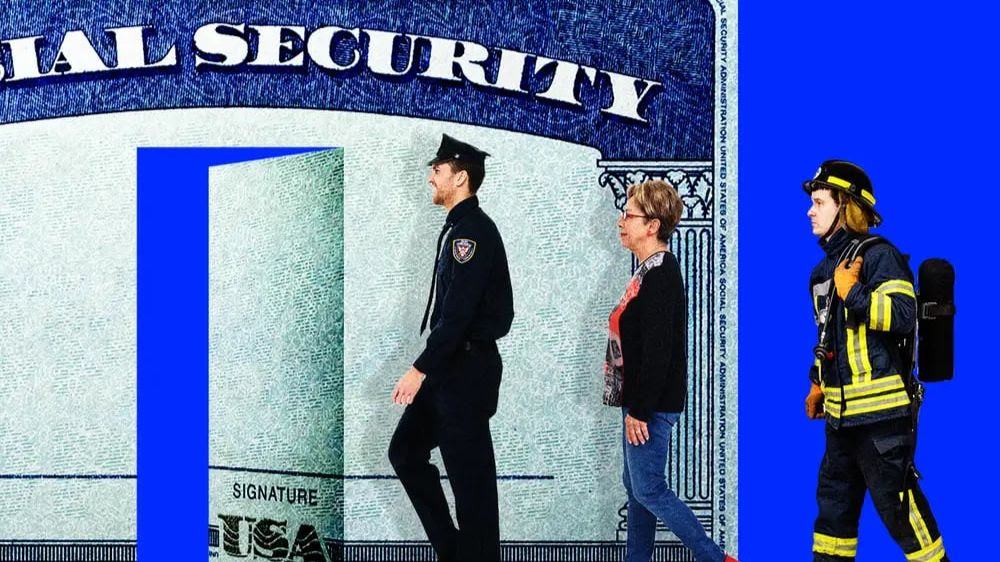
You’d think working a lifetime in public service would pay off in retirement, right?
Think again! Thanks to two convoluted rules, the Windfall Elimination Provision (WEP) and Government Pension Offset (GPO), retirees who worked both in the private and public sectors are getting their Social Security slashed.
Teachers, firefighters, and cops are being blindsided when they realize their benefits are cut because they dared to earn a public pension.
One woman found out she gets zero survivor benefits from her husband’s Social Security after decades of hard work.
Others are stuck deciding between retiring and losing benefits or working until they’re 88.
And while politicians debate fairness, retirees are left downsizing homes and scrambling for extra cash.
Because clearly, choosing to serve the public should come with a penalty!
Trivia
What percentage of the U.S. Gross Domestic Product (GDP) is contributed by consumer spending?
A. 30%
B. 40%
C. 50%
D. 60%
E. 70%
TAXES
Trump’s Plan: Tax-Free Tips and Overtime, but Expect a Few Loopholes
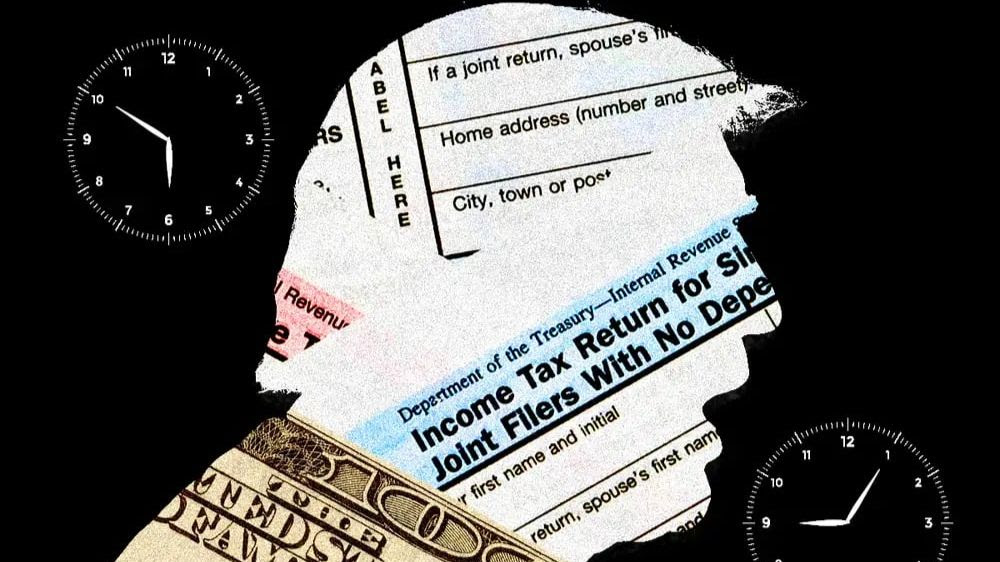
Trump’s back with another big idea—eliminate taxes on tips and overtime!
It’s pitched as a win for low-income workers, but, as usual, it’s got some potential loopholes.
Sure, servers and hourly workers could pocket more cash, but experts say employers might just pay them less since they’d save on taxes.
And don’t be surprised if lawyers and high-earners suddenly reclassify themselves as “hourly” to cash in on untaxed overtime.
Of course, the plan has broad appeal, but with everyone looking to game the system, it could easily turn into another tax-avoidance circus.
Let’s just hope this “help” doesn’t leave Social Security even more broke!
Answer
What percentage of the U.S. Gross Domestic Product (GDP) is contributed by consumer spending?
E. 70%
Consumer spending contributes approximately 70% of the U.S. GDP, making it the largest component of the economy.
This significant figure highlights how critical consumer confidence, spending habits, and disposable income are to the health of the U.S. economy.
Changes in consumer behavior can have widespread effects, influencing everything from production to job creation.