Free cash flow is tanking behind the hype

Dear Friend,
The Nasdaq just notched another record high—because apparently tariffs, Fed drama, and dot-com flashbacks are no match for blind optimism.
Trump’s lining up Stephen Miran for the Fed board (translation: rate cuts incoming?), bond yields are twitchy, and Europe’s giving mixed signals like a flaky first date.
Big Tech’s still throwing billions at AI data centers while their free cash flow quietly vanishes, and Apple?
Tim Cook’s out here dodging tariffs like Neo in The Matrix, all thanks to India’s iPhone assembly lines and a well-timed Trump handshake.
Keep reading this edition of the Everlasting Wealth Insider Report—it’s all upside until it isn’t.
Jeremy Blossom
Editor in Chief, Everlasting Wealth
MARKETS
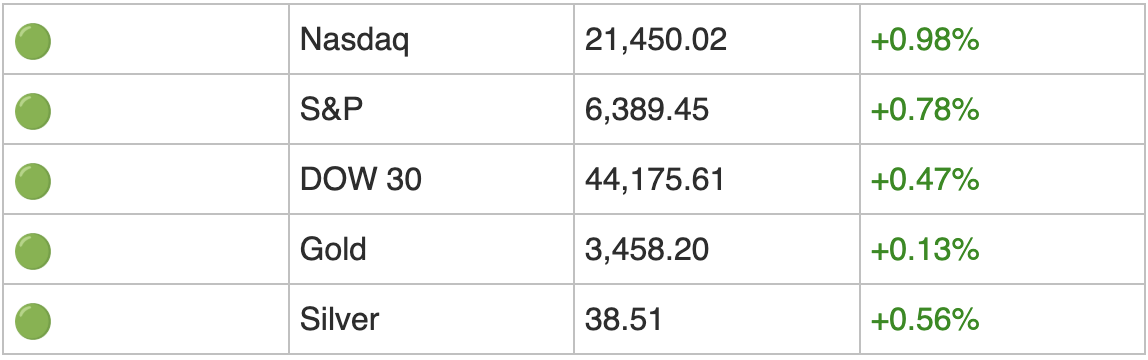
MARKET HEADLINES
🧠 Tesla shares dipped after a key AI leader departed and Musk shut down the Dojo chip project, but analysts say the focus remains on broader AI goals, not chip design.
🔊 SoundHound stock surged 23% after posting record revenue growth and raising its outlook, driven by booming demand for voice-based AI.
🚀 Nvidia stock climbed toward new highs on OpenAI’s GPT-5 launch and Tesla’s plan to rely more on Nvidia hardware following its Dojo shutdown.
📉 Trade Desk shares plummeted 30% after cautious Q3 guidance and a surprise CFO exit, despite solid earnings and in-line revenue forecasts.
₿ Cryptos rallied as Trump allowed 401(k) plans to invest in digital assets and the SEC dropped its long-standing case against Ripple.
📈 Fintech firms Bullish and Miami International are set for IPOs amid crypto momentum, though small share floats and big losses suggest caution is still warranted.
⚠️ Apollo’s chief economist warned that stagflation, overreliance on mega-cap tech stocks, and extreme market concentration pose major risks for investors.
💵 Corporate bond yields are falling despite recession fears, showing investors’ surprising confidence in the U.S. economy and corporate credit.
🉐 China avoided Trump’s latest wave of tariffs, as both sides prioritize a fall summit and avoid disrupting rare earth and chip export agreements.
📊 Earnings season has lifted the S&P 500, but executives’ cautious commentary on tariffs, demand, and inflation reveals growing market risks.
Markets Tiptoe Higher While the Fed and Trump Keep Everyone Guessing
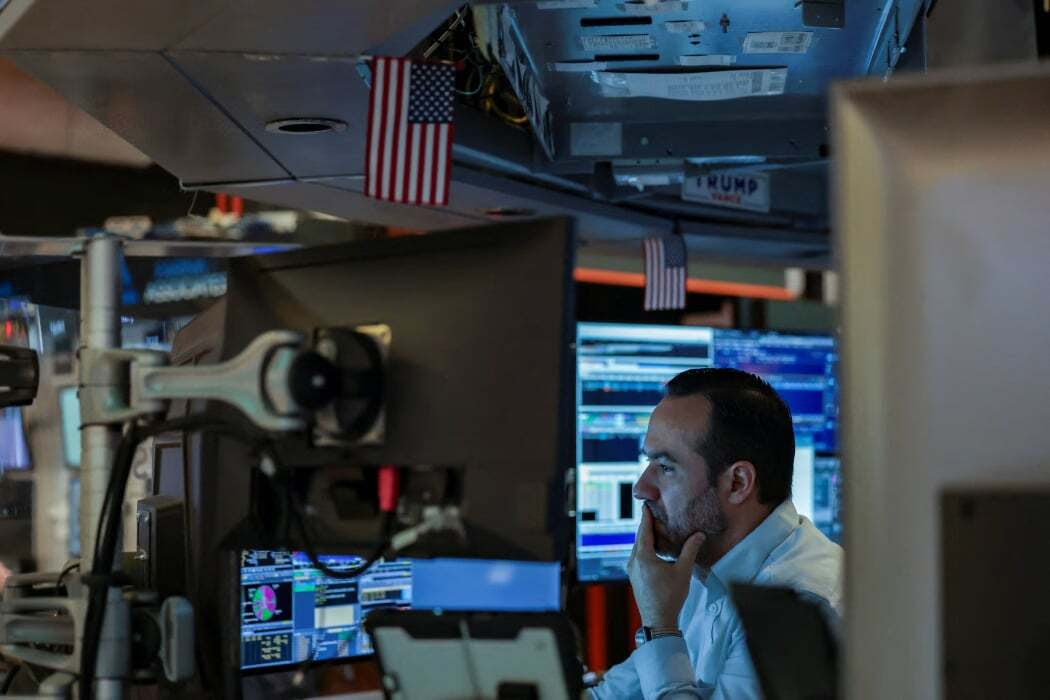
U.S. stock futures are up just a smidge after the Nasdaq hit yet another record high—because nothing screams “strong fundamentals” like a mountain of tariffs and a wobbly Fed.
Trump’s about to slot in Stephen Miran, one of his own economic guys, to the Fed’s board, which basically means the White House is putting a thumb (or maybe a fist) on the scale for rate cuts.
Meanwhile, Treasury yields are creeping up after a weak bond auction and growing whispers that a September rate cut is back on the table.
Over in Europe, it’s a mixed bag: France is up, Germany’s down, and the U.K. is just happy to have miners dragging the FTSE a little higher.
Asian markets bounced around too—Japan rallied thanks to SoftBank’s earnings surprise, but Hong Kong and South Korea dipped.
Oil’s not doing much today, but it’s had a rough week with all the tariff noise and rumors of a Trump-Putin peace summit.
In short, the market’s climbing—but mostly on hope, hype, and habit.
STOCKS 2 WATCH
↘️ Pinterest: Despite topping revenue expectations for the quarter, the social media platform’s adjusted earnings per share fell short, sending shares down 13% in premarket trading.
🔎 Motorola: The safety tech company reported stronger-than-expected results and raised its full-year outlook. Motorola also noted that it’s actively working with suppliers to reduce tariff risk, while anticipating an increase in materials costs this year.
↗️ Block: Shares of the fintech firm behind Square and Cash App jumped 7.5% ahead of the market open after it lifted forecasts for both gross profit and adjusted operating income for the year.
↗️ SoundHound: The voice AI specialist saw its stock surge more than 22% in premarket trading, after reporting better-than-expected results and boosting its revenue guidance for the year.
Fact of the Week
The New York Stock Exchange is so massive that if its total market capitalization—over $30 trillion—were treated as a country’s GDP, it would rank among the top five largest economies in the world, outranking powerhouses like Germany, India, and the entire UK!
ECONOMY
Big Tech’s AI Binge: High Hopes, Empty Wallets
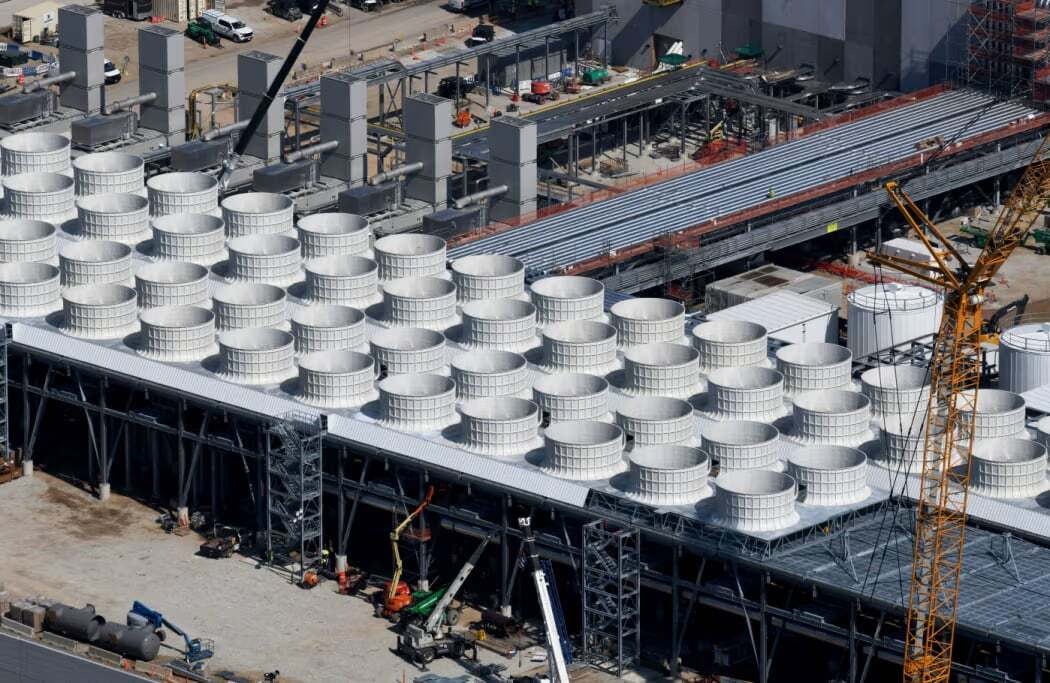
So Big Tech is partying like it’s 1999—but instead of sock puppets and dial-up, it’s AI data centers eating all the cash.
Companies like Meta, Amazon, and Microsoft are burning through mountains of money to build the infrastructure behind all this AI hype, and investors are cheering them on like it’s a sure thing.
The twist? Profits are up, but free cash flow—the real money left after bills—has tanked.
Turns out building the future costs a lot when you’re no longer “asset-light” and have to actually construct stuff.
This AI boom has propped up the economy while consumer spending snoozes, but if those returns don’t show up soon, things could get ugly.
Sound familiar? It should—it rhymes with “dot-com.”
And with higher interest rates and massive government deficits now in the mix, the financial cushion of the last decade is gone.
Long story short, the AI gold rush might just leave some big names holding a very expensive bag.
ECONOMIC HEADLINES
🤖 AI investment may be fueling U.S. GDP growth, but experts remain divided on whether the spending boom will translate into long-term productivity gains or just inflate short-term numbers.
🪙 Trump’s executive order opens the door for 401(k) plans to include crypto and private equity, offering new opportunities—and new risks—for retirement savers.
💸 A weak 30-year Treasury auction signaled poor investor demand, sending yields higher and raising concerns about rising government borrowing costs.
⚖️ Fed’s Bostic expects just one rate cut this year despite tariff-driven inflation and weakening jobs data, citing the need for clarity before further easing.
🏡 Mortgage rates dropped to early April levels after weak jobs data, boosting buyer activity and improving affordability amid a still-tough housing market.
📉 With falling rates and a steeper yield curve, experts recommend investors shift toward intermediate-term bonds and private credit for better returns and lower risk.
💾 TSMC, Samsung, and SK Hynix rallied after Trump’s 100% chip tariffs excluded companies investing in U.S. manufacturing, easing investor fears.
📈 U.S. labor productivity surged 2.4% in Q2, the biggest gain since 2021, though some economists caution it may be inflated by temporary tariff-related effects.
🇬🇧 The Bank of England cut rates for the fifth time this year in a historic vote split, staying ahead of the Fed as it juggles stubborn inflation and slowing growth.
🛃 Trump’s sweeping new tariffs may not trigger a recession but are expected to dent growth and drive inflation by fall, as trade tensions and legal battles escalate.
Trivia
Which financial metric is most commonly used to assess the profitability of a publicly traded company?
A. Price-to-Earnings Ratio (P/E)
B. Return on Equity (ROE)
C. Market Capitalization
D. Earnings Per Share (EPS)
E. Dividend Yield
Scroll for the answer
BUSINESS
Apple Dodges Tariff Tsunami with India Bet That Paid Off
While most companies are scrambling to figure out how to deal with Trump’s tariff hurricane, Apple’s out here playing 4D chess.
Years ago, Tim Cook started shifting iPhone production to India—and now that move looks downright prophetic.
Today, most iPhones sold in the U.S. come from India, not China, meaning Apple avoids the new 20% China import tax and keeps its phones from turning into luxury items.
Cook even scored an Oval Office photo op with Trump after promising a $100 billion U.S. investment, which magically got Apple exempted from more global tariffs.
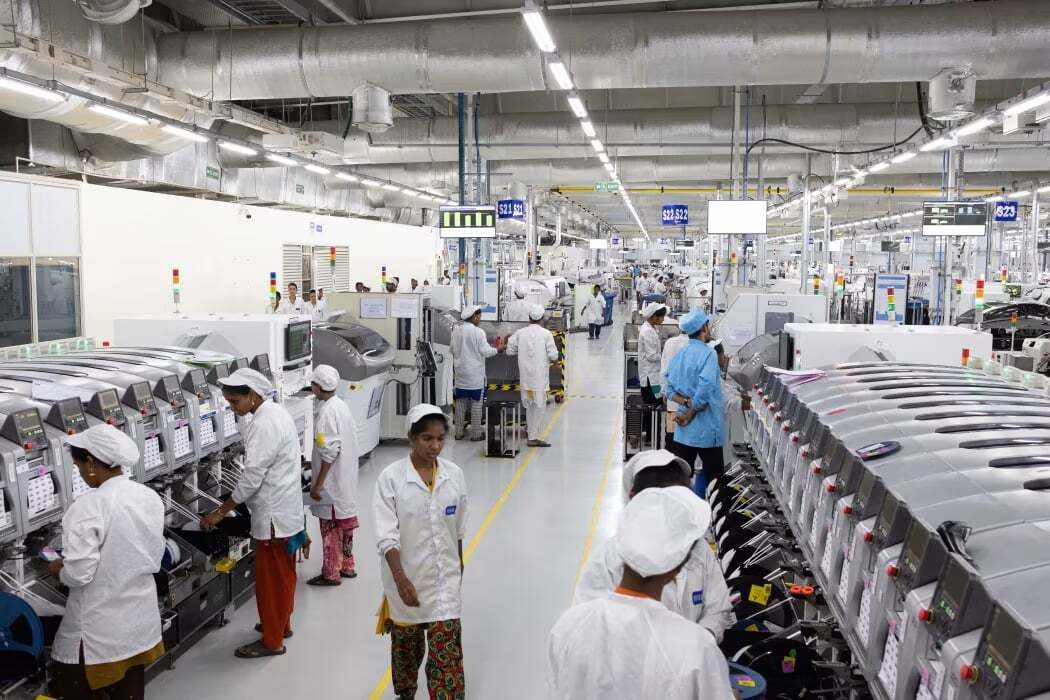
Of course, Apple’s not ditching China just yet—it still builds 80% of iPhones there—but India’s gearing up fast, with giant dorms, new factories, and an army of women on assembly lines.
The infrastructure’s not quite there yet (and let’s just say the labor rules are more yoga than boot camp), but give it time.
Looks like Cook’s playing the long game—and playing it better than anyone else in the business.
Answer
Which financial metric is most commonly used to assess the profitability of a publicly traded company?
D. Earnings Per Share (EPS)
Earnings Per Share (EPS) represents the portion of a company’s profit allocated to each outstanding share of common stock.
It is a key metric used by investors and analysts to gauge corporate profitability.
A higher EPS indicates better profitability and is often used in conjunction with other metrics like the P/E ratio to evaluate whether a stock is over- or undervalued.
EPS is also closely monitored during earnings season, as it directly impacts investor sentiment and stock price movements.