
Dear Friend,
Trump just doubled down on tariffs, telling Canada and Mexico there’s “no room left” for exemptions.
Markets dipped on the news, but with tax cuts on the table, investors are weighing short-term uncertainty against long-term economic gains.
Meanwhile, Canada and Mexico are reassessing their trade strategies, setting the stage for key negotiations in the coming weeks.
Costco isn’t waiting around to see how tariffs play out—it’s stocking up on inventory and reassuring customers that price hikes will be minimal.
Despite missing profit expectations, the retailer is thriving, with foot traffic up and a record 93} membership renewal rate.
Let’s break it all down in this edition of the Everlasting Wealth Insider Report.
Jeremy Blossom
Editor in Chief, Everlasting Wealth
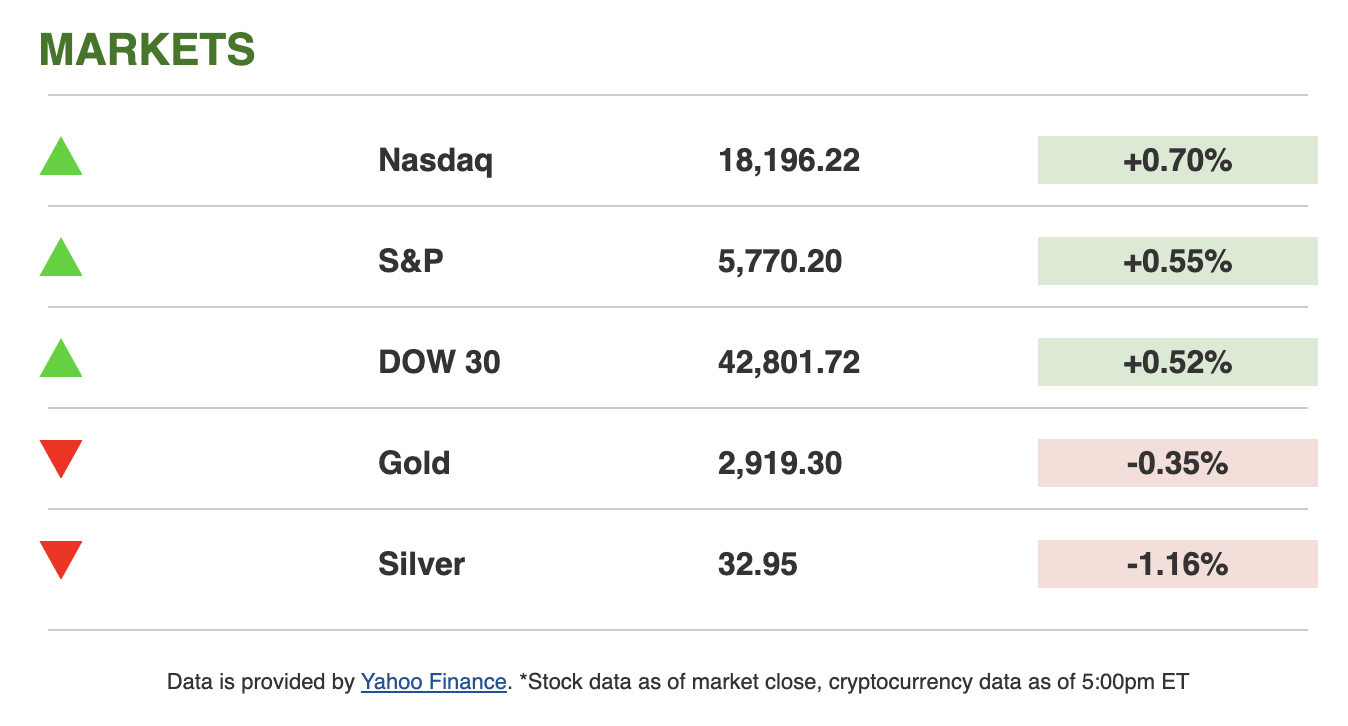
MARKET HEADLINES
📉 XRP and other altcoins drop as Trump’s digital asset stockpile plan disappoints, allowing only forfeited assets to be added.
💾 Hewlett Packard Enterprise stock crashes 20% after weak earnings and poor execution raise concerns over future growth.
💰 Atlanta Fed’s Bostic signals interest rate cuts may not come until late spring or summer due to economic uncertainty.
📉 Markets struggle with tariff fatigue as investors seek clarity on Trump’s evolving trade policies.
₿ Bitcoin falls as details of Trump’s strategic reserve reveal no new government purchases, dampening crypto market sentiment.
🚀 Broadcom’s strong AI earnings revive investor confidence in the sector, lifting Nvidia stock.
🚗 Tesla stock dips despite a bullish upgrade and a $208 target price boost from TD Cowen.
☁️ Oracle’s upcoming earnings report is expected to highlight AI growth and boost confidence in its long-term prospects.
📉 Super Micro stock wobbles as AI-related earnings from Broadcom and HPE send mixed signals on market demand.
📈 125 years of market data suggest U.S. stocks remain dominant, but diversification and index investing are key to long-term success.
Trump’s Tariffs Shake Markets—But Will They Pay Off?

Markets dipped after President Trump reinforced his commitment to tariffs, stating there’s “no room left” for Canada or Mexico to avoid them.
While some recall the stock market staying strong during Trump’s first trade battle in 2018-19, that period also benefited from major corporate tax cuts and booming earnings.
This time, businesses are closely watching the impact, with mentions of “tariffs” rising on earnings calls and manufacturing data showing companies moving to secure supplies ahead of cost increases.
Still, Trump’s expected extension of the 2017 tax cuts could provide stability, and the tariffs are designed to strengthen American industries.
Investors will need to navigate some uncertainty, but the long-term goal remains a more competitive U.S. economy.
STOCKS TO WATCH
↗️ Gap: The apparel retailer, which owns Old Navy and Banana Republic, crushed analyst expectations for its holiday quarter. Shares are soaring in premarket trading.
↗️ Broadcom: After being hit hard in this year’s AI stock pullback—briefly losing its $1 trillion market cap—the chip designer’s strong earnings report could help it reclaim that milestone. Shares are climbing premarket.
↗️ Walgreens: It’s official—the drugstore chain is being taken private in one of the largest leveraged buyouts in years. Shares are up on the news, though the former Dow component has seen a stunning decline in recent years.
↘️ Hewlett Packard Enterprise: Following the weak results of its former stablemate HP last week, HPE also disappointed. With its server business struggling and tariffs weighing on its outlook, the company is cutting jobs, and shares are plunging premarket.
↘️ Costco: The retail powerhouse slightly missed revenue expectations, triggering a premarket decline. Its CEO summed it up: “When it rains, it rains on everyone.”
This Day in the Markets
📉 On this day in 2009, the U.S. stock market hit its lowest point of the Great Recession, with the S&P 500 closing at 676 and the Dow Jones Industrial Average dropping below 6,550, as investor sentiment hit rock bottom amid bank failures, skyrocketing unemployment, and fears of a prolonged economic depression; however, this day would later be recognized as the beginning of a historic bull market, as aggressive government stimulus and corporate recovery efforts helped fuel a decade-long expansion.
ECONOMY
Trump’s Tariff Strategy Aims to Boost U.S. Industry, But Challenges Loom
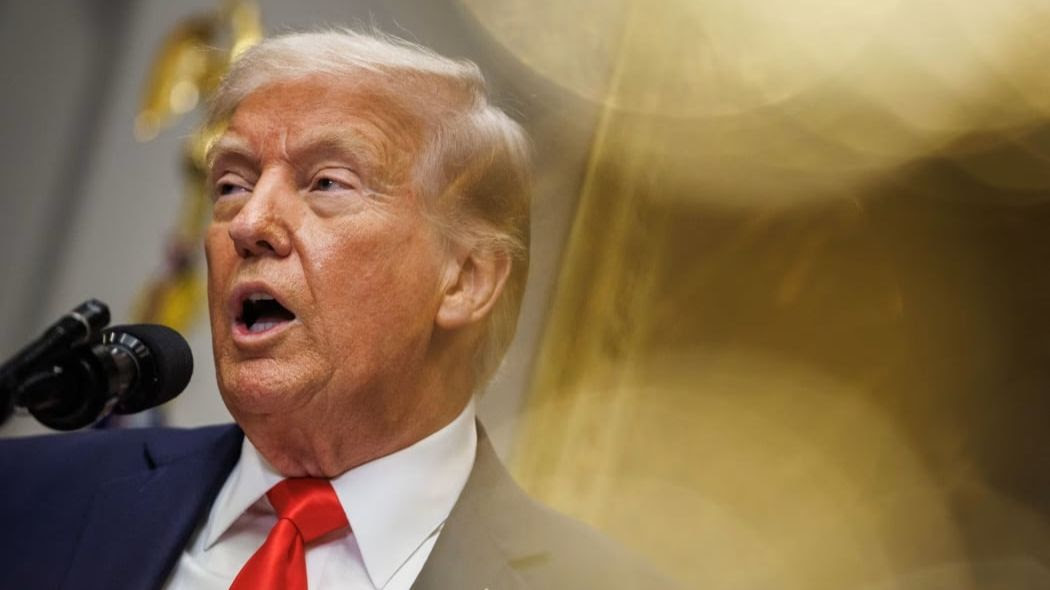
President Trump’s latest tariffs on Mexico and Canada are part of a broader effort to strengthen American manufacturing and reduce reliance on foreign supply chains.
Supporters argue that these policies will drive investment back into U.S. industries, particularly steel and auto manufacturing, while critics warn that higher production costs could lead to increased prices for consumers.
Markets have reacted with some volatility, but Trump remains confident that his strategy will ultimately benefit American workers and businesses.
Meanwhile, Canada and Mexico are reassessing their trade approaches, which could lead to shifts in supply chains and economic partnerships.
With some tariffs delayed until April 2, the coming weeks will be critical in determining whether these policies lead to long-term economic gains or further trade negotiations.
ECONOMY HEADLINES
📉 Atlanta Fed’s Bostic says rate cuts may not come until summer as policymakers navigate economic uncertainty and inflation concerns.
🎙️ Fed Chair Powell to speak on monetary policy amid job data release and trade turmoil, providing insight ahead of the March FOMC meeting.
🛒 Tariffs could slow the U.S. economy if consumer confidence collapses, though near-term spending may rise before price hikes kick in.
📉 Interim SEC Chair Uyeda signals a lighter regulatory approach, with staff cuts raising concerns about enforcement capacity.
💰 Fed Governor Waller opposes a March rate cut, citing trade uncertainty and the need for more economic data.
🏦 Bank stocks slump as investors worry about an economic slowdown and ongoing trade war volatility.
🇲🇽 Trump delays some tariffs on Mexico and Canada but keeps pressure on trade partners ahead of April 2 negotiations.
🚢 Panama’s sale of two ports to a U.S. firm pleases Trump, but he continues to push for greater U.S. control of the canal.
✂️ Federal job cuts accelerate, with 400,000 layoffs expected in the coming months under Trump’s executive order.
🌍 Treasury Secretary Bessent warns U.S. allies and adversaries alike will face economic pressure under Trump’s “America First” trade policies.
Trivia
Which of the following Federal Reserve actions is used to combat high inflation?
A. Lowering interest rates
B. Buying government bonds
C. Raising interest rates
D. Increasing government spending
E. Reducing bank reserve requirements
Scroll for the answer
BUSINESS
Costco Gears Up for Tariff Impact, Sees Strong Sales Growth
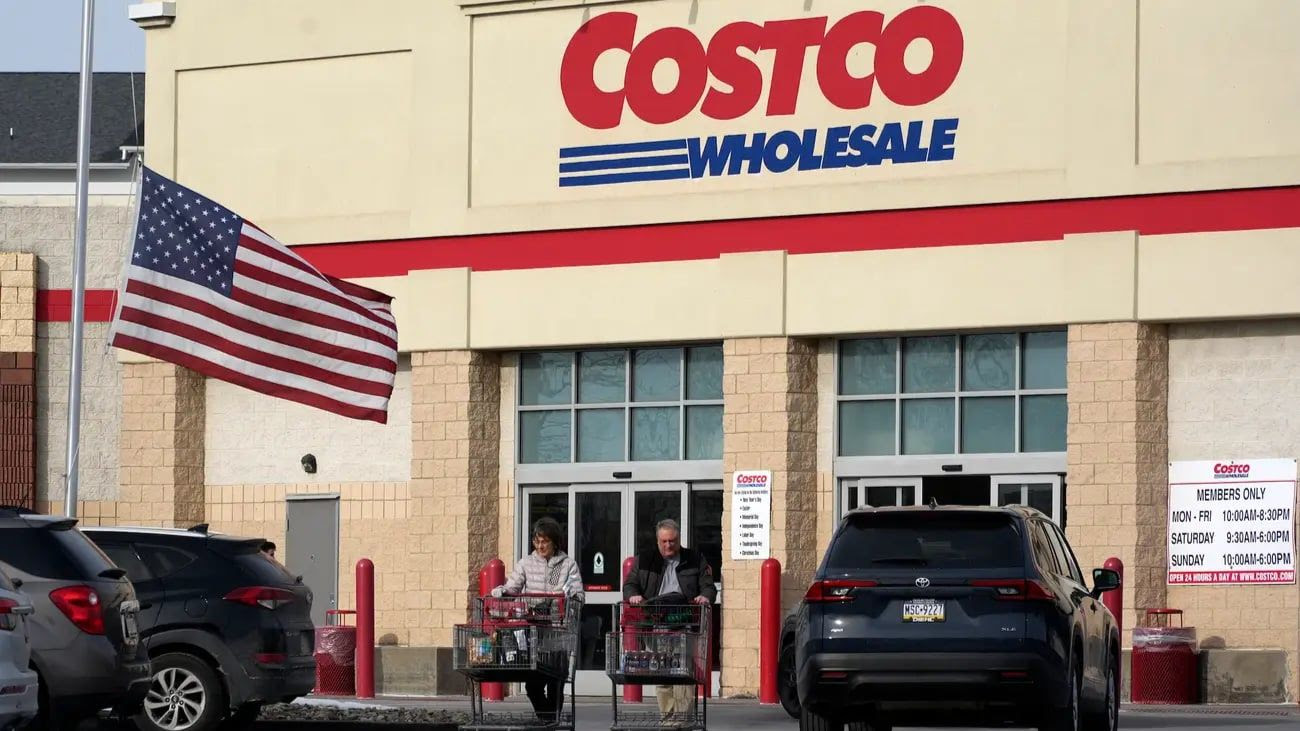
As tariff uncertainty looms, Costco is taking a proactive approach by stocking up on extra inventory to manage potential cost increases.
CEO Ron Vachris assured customers that the company will work to minimize price hikes, noting that less than one-sixth of its U.S. products come from China, Mexico, and Canada.
Despite missing profit expectations, Costco reported strong revenue growth, driven by increased store visits and 1 million new paid memberships, pushing its U.S. and Canada renewal rate to 93%.
With foot traffic up 7.7%—outpacing Walmart and Target—Costco continues to position itself as a go-to for value-conscious shoppers.
Looking ahead, the retailer plans to open 12 new U.S. stores, including its 900th location next week, as well as six more internationally.
Answer
Which of the following Federal Reserve actions is used to combat high inflation?
C. Raising interest rates
To combat high inflation, the Federal Reserve (The Fed) typically raises interest rates.
This makes borrowing more expensive, reducing consumer spending and business investment, which in turn slows down inflation.
Lowering interest rates and buying government bonds are tools used to stimulate the economy, not control inflation.
Increasing government spending is a fiscal policy decision made by Congress, not the Fed, and often increases inflation rather than controlling it.
Reducing bank reserve requirements would make it easier for banks to lend money, potentially worsening inflation instead of reducing it.