Gas helped, but services and tariffs still pressure prices.

Dear Friend,
So apparently foreigners aren’t dumping the U.S. after all, they’re just hedging the dollar like someone booking a beach house but packing a raincoat.
Inflation’s down to 2.4%, gas is finally cheap-ish, and the Fed gets to chill for a minute.
But leave it to Trump to keep things spicy, his new $100K visa fee has Big Tech lawyering up while startups clutch their wallets.
Keep reading this edition of the Insider Report to see who’s staying, who’s sweating, and why boring might just be the new brilliant.
Jeremy Blossom
Editor in Chief, Everlasting Wealth
MARKETS
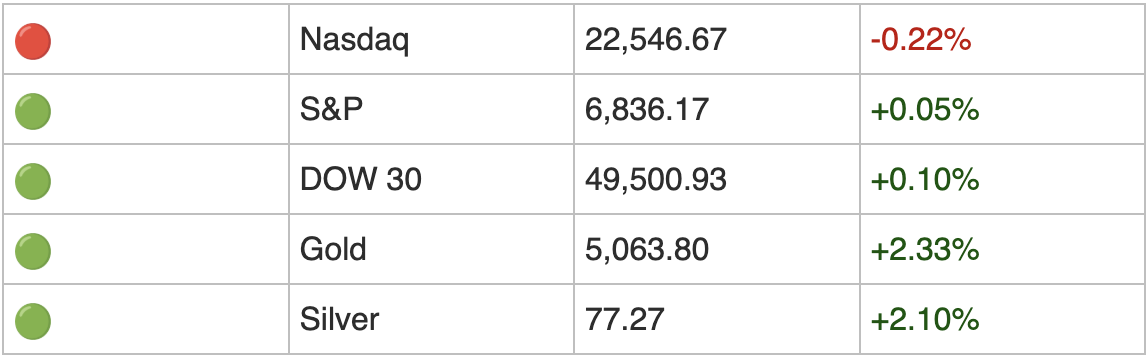
MARKET HEADLINES
📈 Arista Networks shares surged after strong earnings and a confident margin outlook driven by AI demand, sharply outperforming Cisco, which is grappling with margin pressure from rising costs.
🤖 Applied Materials stock jumped after beating earnings expectations and forecasting robust AI-driven semiconductor growth, positioning it as a major beneficiary of the memory-chip boom.
🚗 Advance Auto Parts shares leapt higher after crushing earnings estimates and signaling steady same-store sales growth, extending its 2026 turnaround rally.
✈️ Expedia fell while Airbnb rose despite solid revenue guidance, as investors weigh margin pressures, AI disruption risks, and a challenging macro environment for online travel.
📉 The Magnificent Seven tech stocks are sliding into correction territory, with Amazon and Microsoft in bear markets as investors question heavy AI spending and stretched valuations.
🧪 Moderna posted a narrower-than-expected quarterly loss and reaffirmed its growth outlook, but shares dipped as investors digested regulatory setbacks and mixed momentum.
₿ Bitcoin extended its decline amid fading momentum and cautious forecasts, with one analyst warning it could drop to $50,000 before rebounding.
🎢 Markets are overreacting to AI disruption fears, triggering sharp selloffs in sectors from trucking to tech despite resilient broader fundamentals and expectations for eventual rate cuts.
📊 U.S. stocks have turned negative for the year as AI-driven disruption fears spark a broad “sell first” repricing, though some strategists see long-term gains from elevated AI investment.
⚖️ After years of strong stock gains—especially in U.S. equities—advisers urge investors to rebalance portfolios, rotate toward cheaper international markets, and restore intended risk levels.
‘Sell America’? More Like ‘Hedge America’

Remember all the chatter about foreigners dumping U.S. assets? Turns out it’s less “Sell America” and more “maybe buy a little insurance.”
The dollar’s down about 8%, and some European pension funds are trimming Treasurys, but they’re not exactly packing up and going home.
In fact, foreigners poured hundreds of billions into U.S. stocks last year because shocker, America still outperforms.
What they are doing is hedging the dollar, which basically means they still want the house but don’t love the weather.
A few funds in Denmark made headlines for selling bonds, but even they admit you can’t run a serious portfolio without the U.S. market.
Japan and China talk a big game, yet they’re still deeply tied to our debt and equities.
The U.S. is too big, too innovative, and too profitable to ignore.
You don’t hedge something unless you plan on keeping it.
STOCKS 2 WATCH
↘️ DraftKings: Despite a 43% revenue surge, the company’s full-year sales forecast fell short of expectations, sending shares down around 14% in premarket trading.
↗️ Applied Materials: Shares jumped 12% before the bell after the semiconductor equipment maker beat earnings estimates, powered by growing demand for AI-related computing technologies.
↗️ Airbnb: The vacation rental platform delivered stronger-than-expected quarterly earnings, though rising investments in new business ventures pushed expenses higher. Shares rose about 4% in after-hours trading.
↘️ Expedia: The travel site beat estimates, but shares dropped 5% premarket amid rising competition among travel companies to integrate with AI tools like ChatGPT and Google Gemini.
↘️ Wynn Resorts: The casino operator saw a mixed quarter, with improving Macau results offset by continued weakness at its Las Vegas properties. Shares declined roughly 3% in after-hours trading.
↗️ Rivian Automotive: The EV startup’s revenue exceeded analyst expectations despite a quarterly loss, propelling shares up 20% ahead of the market open.
↗️ Coinbase Global: Shares rose 5.5% in premarket despite the company swinging to a loss during a volatile crypto quarter. The stock, which has struggled this year, found some footing with the broader sector recovery.
Fact of the Week
The U.S. went through a “container revolution” starting in the late 1950s, and by standardizing shipping boxes it slashed transport costs so dramatically that it made global supply chains—and modern American retail and corporate profits—possible at scale, which is why a simple metal rectangle helped turn “Made anywhere, sold everywhere” into a business model.
ECONOMY
Inflation Cools to 2.4%, Gas Prices Finally Do Us a Favor
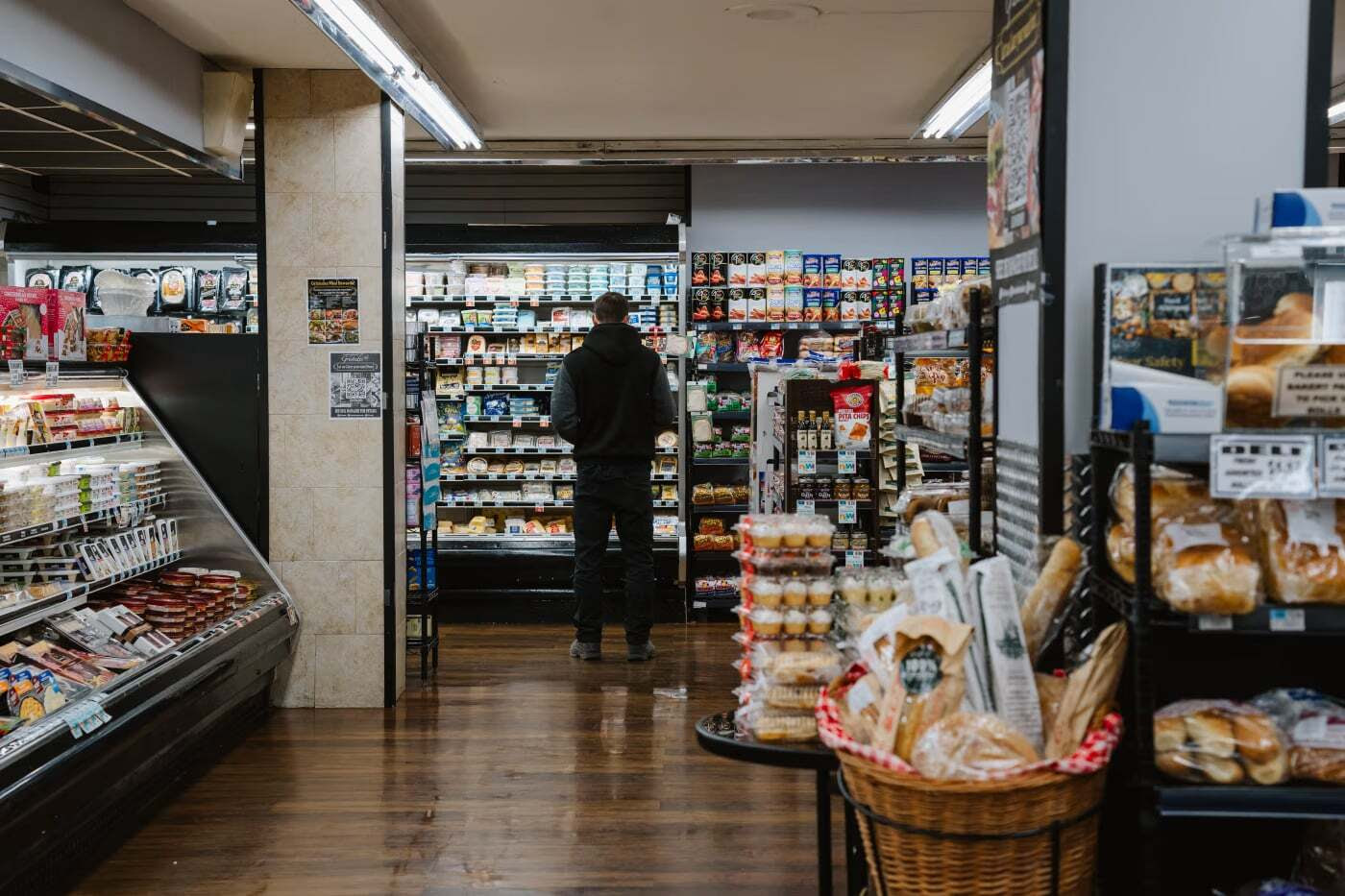
Inflation slowed to 2.4% in January, thanks in part to lower gas and used car prices finally, something at the pump going in the right direction.
That’s cooler than expected and a far cry from the 9% nightmare a few years back.
Core inflation is sitting at 2.5%, which isn’t perfect, but it’s not exactly sky-is-falling either.
Some prices tied to tariffs, like apparel and appliances, ticked up, so retailers are clearly trying to pass along costs where they can.
Still, overall inflation keeps drifting lower, which undercuts all the “tariffs will explode prices” panic.
Pair that with a strong jobs report and the Fed will likely sit tight for now.
Services like airline tickets and hospital care are still sticky, so we’re not popping champagne yet.
But compared to where we were, this is real progress and proof the economy can cool off without crashing.
Economic Headlines
🏗️ Steel stocks slid sharply after reports that President Trump may roll back tariffs that had boosted domestic prices and fueled big gains for producers like Steel Dynamics and Nucor.
🏦 Despite President Trump’s calls for lower rates, strong jobs data and stubborn inflation have reinforced the Fed’s reluctance to cut interest rates anytime soon.
🚘 Trump’s repeal of the EPA’s climate endangerment finding dismantles federal greenhouse-gas rules, creating headwinds for EV-focused firms but potential benefits for traditional automakers and fossil-fuel industries.
🇨🇦 A House rebuke of Trump’s Canada tariffs reveals growing Republican unease over affordability concerns and could complicate future tariff actions, even if a veto is likely.
🏠 January home sales fell sharply to a multimonth low, but easing mortgage rates and upcoming contract data suggest housing demand could rebound this spring.
📊 The S&P 500’s repeated failure to break 7000 reflects investor rotation into gold and non-tech sectors, AI disruption fears, and geopolitical uncertainty despite solid economic fundamentals.
🤖 Beneath a strong jobs report, heavy reliance on healthcare hiring and white-collar job losses hint that AI-driven automation may already be reshaping the labor market.
💰 The federal deficit narrowed for a fourth straight month as tariff revenue surged and government spending cuts took hold, though long-term debt pressures remain.
₿ Bitcoin, Ether, and XRP slid again ahead of key inflation data, with traders betting that softer CPI could revive expectations for Fed rate cuts and lift crypto prices.
🌎 A looming review of the USMCA trade pact threatens renewed volatility for North American supply chains, as the Trump administration weighs bilateral deals or withdrawal amid rising tensions with Canada and Mexico.
Trivia
What does the Federal Reserve usually do to cool down inflation?
A. Raise interest rates
B. Cut interest rates
C. Print more money
D. Lower taxes
E. Ban imports
Scroll for the answer
BUSINESS
Big Tech’s $100K Visa Workaround Playbook
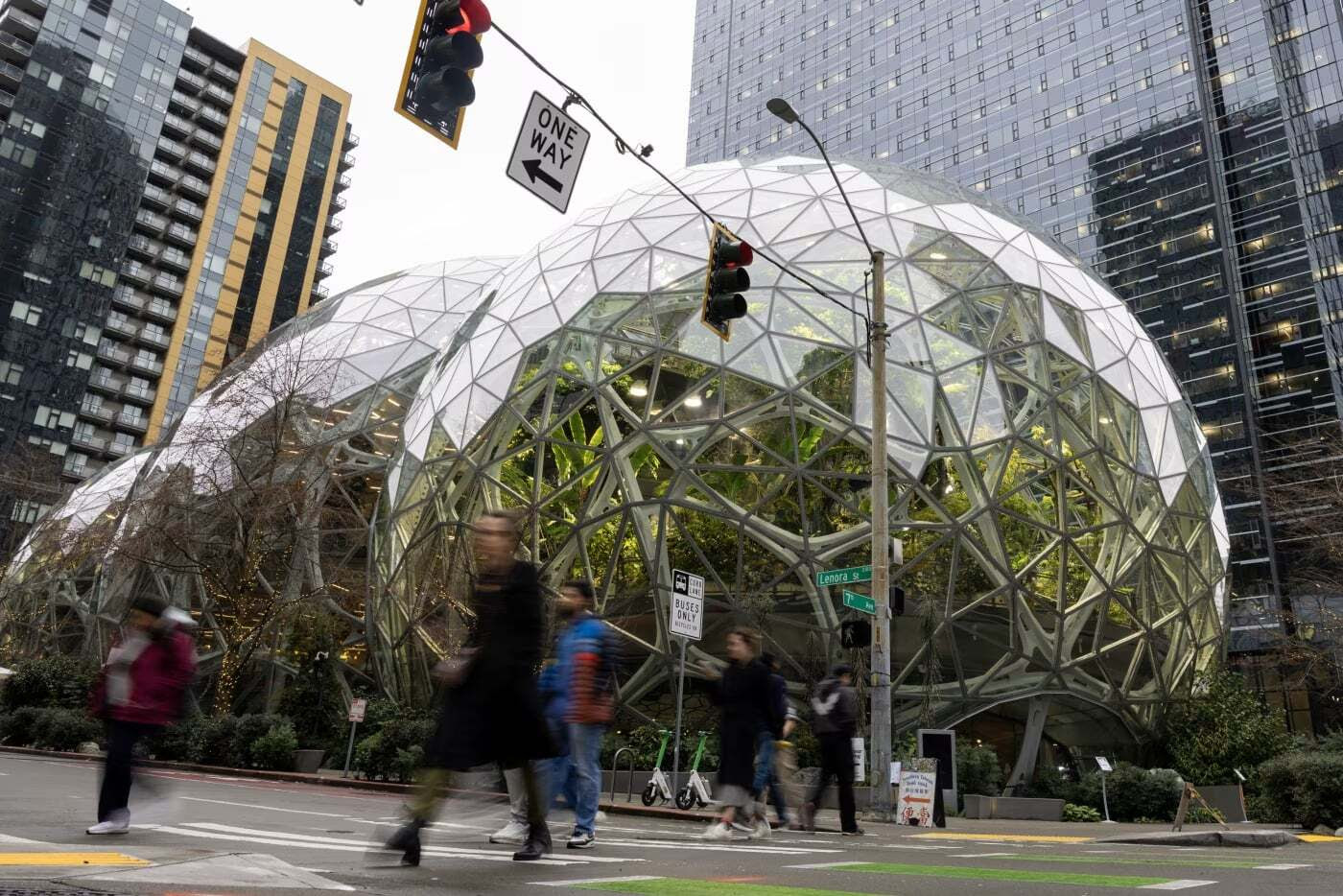
Big Tech isn’t exactly panicking over Trump’s new $100,000 H-1B visa fee, they’re lawyering up and finding side doors.
Amazon, Google, and Microsoft are leaning on existing visa holders, student work programs, and overseas offices to dodge the new cost.
When you’ve got deep pockets and global offices, you’ve got options.
Smaller startups? Not so much, they can’t just spin up a London office or float six-figure fees like it’s pocket change.
The policy was meant to stop abuse of the system and protect American workers, especially after years of layoffs paired with heavy foreign hiring.
The irony is that it may squeeze small innovators more than the tech giants everyone loves to scold.
The administration says the fee will cut down on visa “spamming” and prioritize top-tier talent.
Either way, it’s a reminder that in Washington, rules hit differently depending on how big your balance sheet is.
Answer
What does the Federal Reserve usually do to cool down inflation?
A. Raise interest rates
Because when the Fed raises interest rates it increases the cost of borrowing for mortgages, car loans, credit cards, and business financing, which typically slows consumer spending and company expansion, reduces demand pressure across the economy, and helps bring inflation down over time even though it can also cool hiring and weaken stock market sentiment in the short run.