Shoppers are snapping, carts are shrinking, and the $4.99 Costco chicken might be the last thing holding the country together

Dear Friend,
The banks are back in the headlines—and not in a good way.
Zions just torched $50 million, Western Alliance is in court over fraud, and JPMorgan’s licking a $170 million wound from a busted subprime lender.
Regional bank stocks tanked, and Wall Street’s now playing “spot the next cockroach.”
Meanwhile, grocery bills are climbing faster than AmEx points, and yet somehow, the rich are still out there sipping $30 cocktails while the rest of us are weighing the ROI on elk hunting.
Keep reading this edition of the Everlasting Wealth Insider Report to see what’s cracking beneath the surface—and who’s actually coming out ahead.
Jeremy Blossom
Editor in Chief, Everlasting Wealth
MARKETS
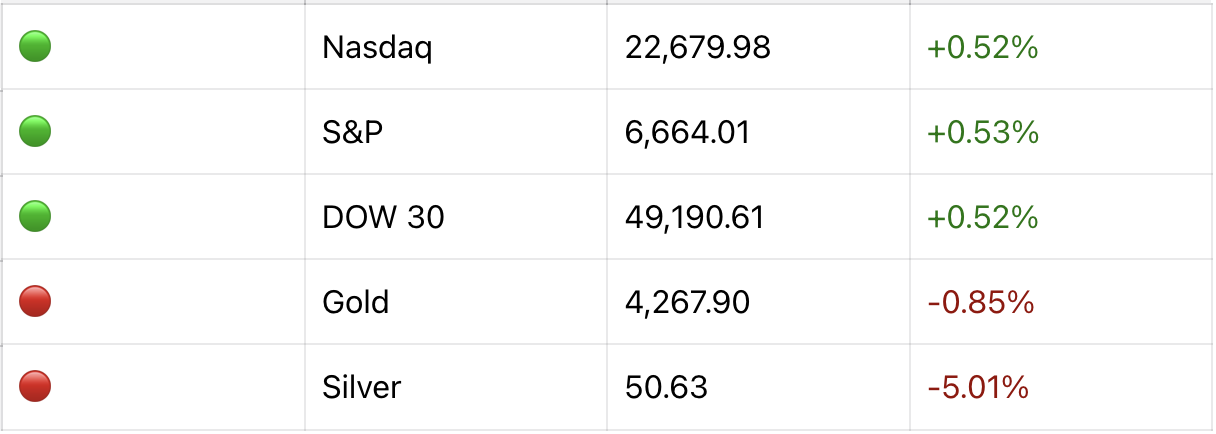
MARKET HEADLINES
📉 Zions Bancorp’s $50 million loan charge-off spooked investors, but analysts say the 13% stock drop was overblown and not indicative of systemic risk.
💬 Oracle stock seesawed after management disputed low-margin claims in its AI cloud business and raised its long-term revenue forecast significantly.
🛢️ SLB beat Q3 earnings expectations and highlighted strong growth in Middle Eastern and Asian markets, despite oil market uncertainty and flat commodity prices.
🚗 Tesla stock slipped after BNP Paribas Exane issued a rare Sell rating, questioning the company’s lofty AI valuation tied to unproven robo-taxi and robot ventures.
🧪 Eli Lilly and Novo Nordisk shares fell sharply after Trump suggested weight-loss drug prices, including Ozempic, would drop significantly under new policies.
📉 Bitcoin and other major cryptocurrencies plunged toward 3-month lows as investors fled risk assets amid banking fears and renewed tariff threats.
🧾 U.S. Treasury yields fell below 4% for the first time in 2025, reflecting softening economic data and expectations for more Fed rate cuts.
⚠️ Fears over credit quality at regional banks resurfaced after Zions and Western Alliance flagged loan issues, but analysts suggest Fed policy may help contain risks.
📉 Nvidia stock declined as U.S.-China chip tensions deepened, with the company forecasting no China revenue this quarter—down from 21% of its total a year ago.
🇨🇳 Micron is reportedly cutting off server chip sales to Chinese data centers amid a lingering ban, reducing its China revenue share to 10% from 25% in 2022.
🪙 The crypto market experienced a “massive sell-off,” with Bitcoin down 17% from its peak and analysts warning the bottom may not yet be in sight.
🇺🇸 Rising U.S.-China trade tensions resurfaced as both sides issued sharp rhetoric over tariffs and export controls, though Beijing expressed willingness to talk.
🛋️ Furniture stocks like Wayfair and Williams-Sonoma are gaining traction as renters furnish smaller spaces, even as tariffs and inflation challenge the sector.
🔥 President Trump’s threat to ban Chinese cooking oil imports could benefit U.S. biofuel producers by shifting demand to domestic soybean oil and animal fats.
📊 Amid weak economic indicators and a shutdown-deprived data landscape, investors are turning to bonds as a haven—driving yields to 2025 lows.
Regional Banks Trip Over Themselves (Again) and Spook the Whole Market
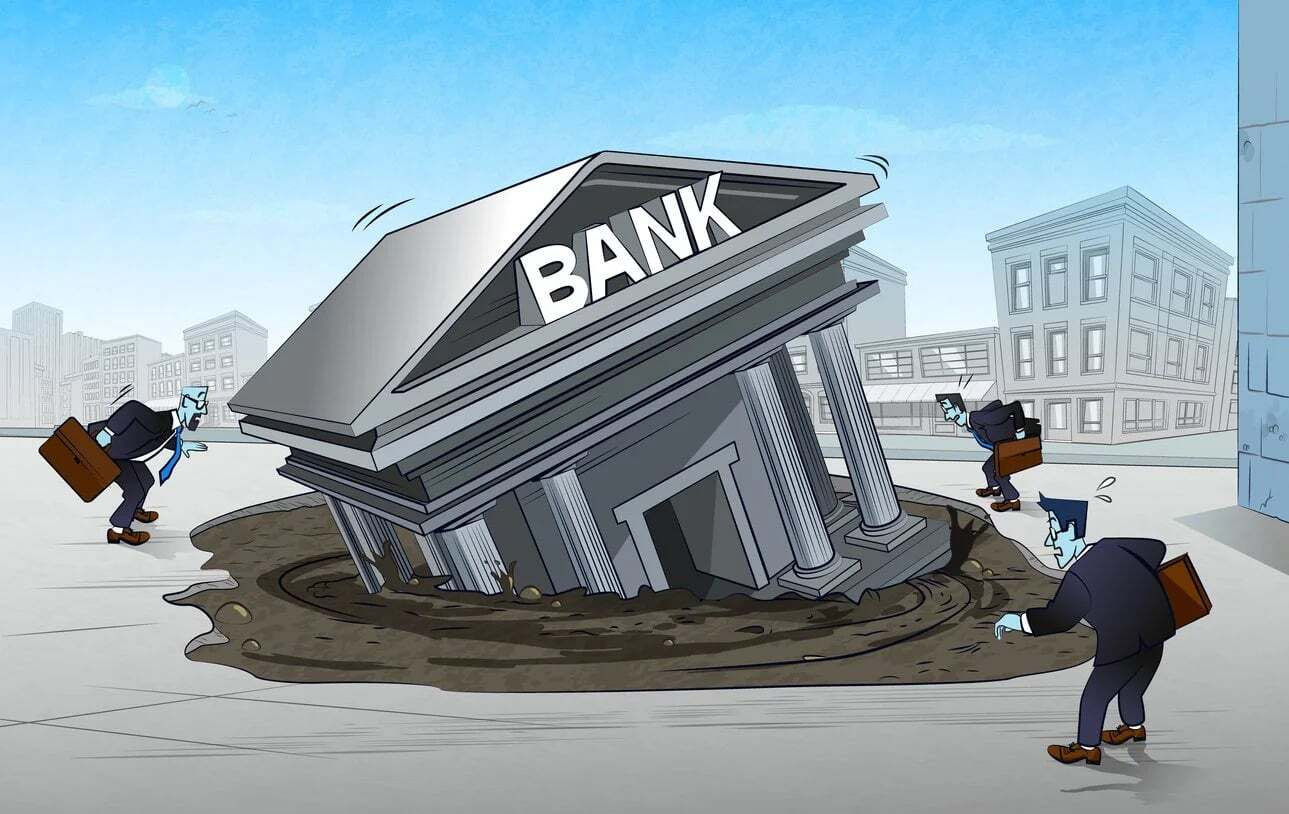
Well, just when you thought the banking sector might’ve learned something from 2023’s mess, here comes Zions Bancorp with a $50 million charge-off and Western Alliance suing over fraud.
Sprinkle in JPMorgan’s own $170 million hit tied to the sketchy auto-lender Tricolor, and boom—investors are running for cover like it’s cockroach season (thanks for the visual, Jamie Dimon).
The regional bank index dropped over 6%—worst day since April’s tariff circus—and suddenly everyone’s wondering what else is hiding in those loan portfolios.
Even though analysts are calling these “isolated events,” the whole financial sector tanked, dragging the Dow down 300 points and wiping out all those nice gains from big bank earnings earlier this week.
To make it worse, we’re flying blind without government data, thanks to the shutdown.
So now Wall Street’s just guessing based on lawsuits and CEO vibes.
Great. At this rate, the only thing more fragile than the economy might be Biden’s debate prep.
STOCKS 2 WATCH
↘️ Deutsche Bank, Société Générale, Standard Chartered: Major European lenders took a hit, with Deutsche Bank sinking over 6% to lead the downturn among international bank stocks.
↘️ JPMorgan Chase, Bank of America, Morgan Stanley: Shares in the U.S. banking giants declined more than 1% in early trading, mirroring broader weakness across the financial sector.
↘️ Zions Bancorp, Western Alliance Bancorp: Regional U.S. lenders remained under pressure, continuing Thursday’s decline as recent filings reignited investor concerns about the stability of smaller banks.
🔎 Fifth Third Bancorp, Comerica, Regions Financial: A trio of regional banks is slated to release earnings ahead of the opening bell, with Wall Street watching closely for any signs of further strain in the sector.
↘️ Intel, Nvidia, Strategy: Risk-off sentiment weighed on tech and crypto-related names, dragging shares lower in premarket trading amid a broader market cooldown.
Fact of the Week
Bamboozler: there are more $100 bills in circulation than $1s, largely because people around the world hoard “Benjamins” as a portable store of value—most live overseas—so the U.S. effectively gets billions in interest-free funding (seigniorage) while part of its “domestic” cash supply quietly circulates abroad.
ECONOMY
Grocery Bills Are Up, Patience Is Down — Welcome to the Aisle of Pain
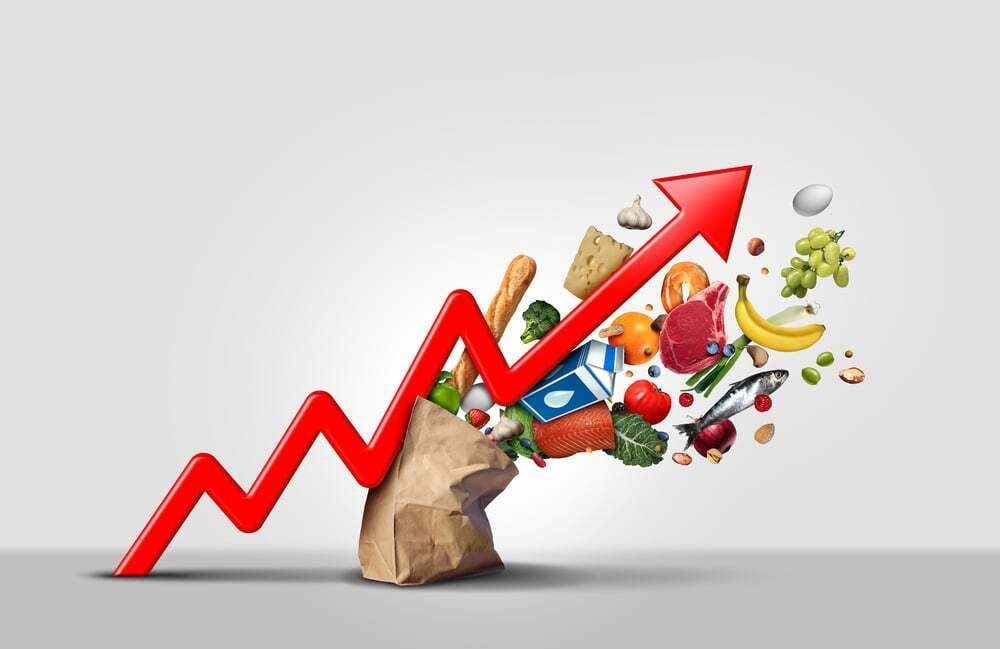
Beef at $32.99 a pound, coffee up a buck since May, and eggs priced like they’re made of gold—yep, grocery inflation is back in full swing, and folks are fed up.
Americans are cutting back, stockpiling, coupon-clipping like it’s 1979, and even considering hunting elk just to dodge the meat counter.
One guy literally said he’s thinking of dusting off his rifle. Welcome to Bidenomics, folks.
Food companies are blaming rising commodity prices and tariffs—many of them Trump-era, sure, but only now fully hitting wallets.
The kicker? People aren’t spending more; they’re just getting less for the same price.
Shrinking packages, smaller carts, and plenty of side-eye at the register.
Even store execs are admitting customers are sticking to lists and skipping extras. That’s what happens when a rib-eye costs more than an hour’s wage.
One Chicago grocer said it best: “They’ll come in and say, ‘What the f—.’”
Yep. That pretty much sums it up.
But hey, at least Costco still sells that $4.99 chicken.
One bird standing between Americans and full-blown economic rage.
Economic Headlines
🛍️ Nike, Levi’s, McCormick, and Conagra warned that rising tariff costs are squeezing margins and could lead to price hikes, challenging the S&P 500’s rally.
⚒️ J.P. Morgan downgraded Lithium Americas to “Sell,” citing an overheated stock after a 200% rally and weak fundamentals, with shares projected to fall 50%.
🧲 MP Materials shares dipped after a volatile week fueled by China’s new rare earth export controls, despite long-term U.S. defense contracts supporting demand.
🔥 Used cooking oil became the latest flashpoint in the U.S.-China trade war, with a potential import ban poised to benefit domestic biofuel producers like Bunge.
📈 Kraken’s $100 million acquisition of a CFTC-licensed exchange signals crypto’s deeper push into prediction markets, despite regulatory delays from the shutdown.
🌐 As the U.S. retreats from global leadership, countries like Japan, the EU, and Canada are forming new alliances to support a democratic, rules-based order.
🏠 Homebuilders are growing more optimistic about future sales, but investors remain cautious as high mortgage rates and buyer hesitancy weigh on demand.
🏦 Fed Governor Christopher Waller backed a quarter-point rate cut due to a weakening job market, while labor data delays cloud the central bank’s policy outlook.
🤖 TSMC’s blowout earnings and raised guidance reinforced the strength of the AI rally—even as Trump reignites trade tensions with China over chip supply chains.
📉 Fed uncertainty is mounting as traditional economic signals break down, prompting calls for a “do no harm” policy focused on supporting growth without stoking inflation.
✈️ United Airlines forecast a record-setting fourth quarter on premium travel strength, even as revenue-per-seat-mile fell and economic uncertainty lingers.
🏦 Wall Street banks posted robust earnings, driven by dealmaking and resilient consumer spending, defying broader economic concerns like a softening labor market.
🏛️ A federal judge blocked the Trump administration from proceeding with mass federal layoffs during the shutdown, pausing cuts affecting thousands of workers.
🔌 Nvidia-backed CoreWeave is building a massive AI data center in Texas with Poolside, signaling ongoing infrastructure investment in the AI arms race.
Trivia
Which measure best captures the U.S. labor market’s leading signals rather than lagging ones?
A. Unemployment rate
B. Nonfarm payroll headline (first release)
C. Job openings and initial unemployment claims
D. Average hourly earnings (year-over-year)
E. Labor force participation rate
Scroll for the answer
BUSINESS
AmEx Rakes It In—Because Apparently Rich People Didn’t Get the Recession Memo
While the rest of America is out here dodging $8 ground beef and coupon-hunting like it’s a sport, American Express just crushed earnings thanks to—you guessed it—wealthy cardholders who are still out there dining fancy and jet-setting like inflation is just a rumor.
AmEx pulled in $4.14 per share on a record $18.4 billion in revenue, beating the Street’s expectations because affluent folks apparently never stopped spending.
They even jacked up fees on their Platinum cards and saw demand double. Must be nice when “belt-tightening” means skipping the private cabana.
Meanwhile, their credit metrics are rock solid—no sign of missed payments or rising defaults.
Because when you’re rich, a $1,500 airline ticket is just another Tuesday.
AmEx is so confident, they’ve raised their revenue outlook for the year while the rest of the country is just trying to keep the fridge full.
So yeah, the economy’s great—just not for the 90% of Americans who aren’t swiping a metal card at five-star resorts.
Answer
Which measure best captures the U.S. labor market’s leading signals rather than lagging ones?
C. Job openings and initial unemployment claims
The unemployment rate and participation often lag turning points.
Weekly initial claims and the JOLTS job-openings series tend to shift earlier, offering timelier clues about hiring slowdowns or labor softening that feed into growth and earnings expectations.