
Dear Friend,
Boomers are holding onto their homes tighter than a dog with a bone, keeping the housing market in a deep freeze.
Meredith Whitney predicts a 10-20} price drop might help, but until then, millennials and Gen Z are stuck dreaming while Boomers enjoy their low-rate mortgages like it’s 1999.
Meanwhile, Spirit Airlines just crash-landed into bankruptcy, proving you can’t fly high on “bare fares” forever.
And if the DOJ gets its way, Google may have to part ways with Chrome, shaking up Big Tech for good.
Keep reading this week’s Insider Report for the full scoop and more ways to stay ahead of the game!
Jeremy Blossom
Editor in Chief, Everlasting Wealth
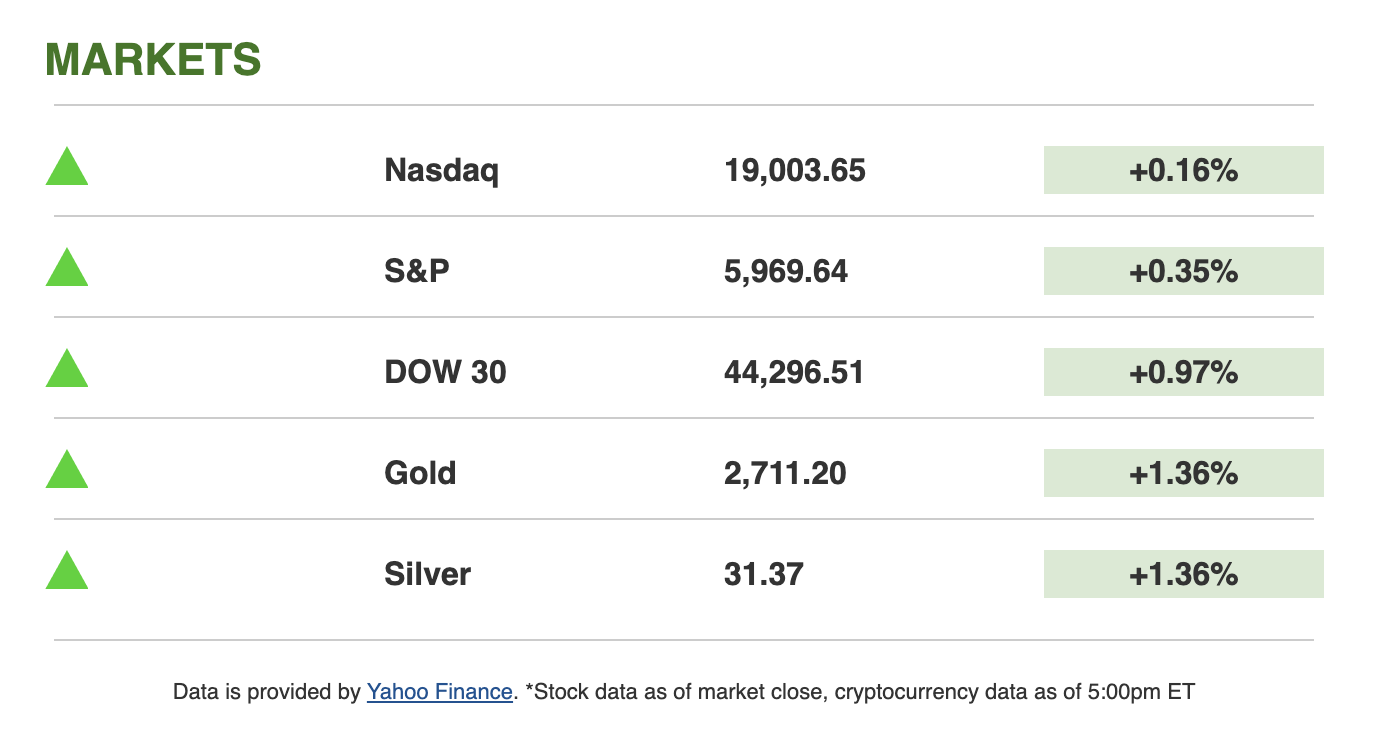
MARKET HEADLINES
🤖 Nvidia’s latest earnings smashed expectations—again—but didn’t move the stock much this time. Analysts are eyeing its next big launch: the Blackwell AI chips, which Elon Musk’s AI startup plans to use after raising a staggering $5 billion. While Nvidia is still a favorite for investors, its recent guidance has some wondering if the hype is cooling down. Don’t count it out just yet—there’s still plenty of AI demand to fuel its future.
📈 Gap’s comeback story just hit another high note. The retailer beat earnings expectations for the seventh straight quarter, thanks to strong holiday sales and new leadership moves. Old Navy stayed steady, while Athleta bounced back in a big way. Gap’s turnaround plan—streamlining operations and recruiting big names like Zac Posen—is clearly paying off. The stock shot up 15% in premarket trading and shows no signs of slowing down.
🚗 Tesla stock slid a bit after Nvidia’s earnings and some lukewarm European EV sales data. While overall battery-electric vehicle sales grew in October, Tesla’s European sales dropped 23%. It’s not unusual for Tesla sales to fluctuate during the start of a quarter, but it’s definitely one to watch as competition heats up.
🎢 Super Micro Computer had a week. After massive gains early on news of a new auditor, its stock wavered again over concerns about a possible Nasdaq delisting for late filings. With Nvidia calling the server maker a key partner, its long-term potential looks strong—but the volatility isn’t going anywhere for now. Investors are bracing for more roller-coaster days ahead.
💵The euro dropped to $1.04, its lowest in nearly two years, as weak data from Germany and France and fears of Trump-era tariffs weigh on Europe’s economy.
📉 Meanwhile, the U.S. dollar is strengthening on expectations of better economic performance and a slower pace of Fed rate cuts. Analysts predict the euro could hit parity with the dollar soon, though some expect a rebound next year.
DOJ Targets Google Monopoly with Call to Spin Off Chrome Browser

The Justice Department is demanding Google sell its Chrome browser as part of a crackdown on its monopolization of online search, arguing the move is essential to restore competition.
With Chrome controlling two-thirds of the browser market and defaulting searches to Google, regulators claim this setup locks out rivals like Bing and DuckDuckGo from gathering the user data needed to compete.
The DOJ also wants to ban Google from paying for default search placements, potentially forcing a sale of Android if the company doesn’t comply.
The proposed spinoffs would strike at the heart of Google’s $300 billion search business, with even small market share losses threatening its dominance.
Google has slammed the plan as “wildly overbroad,” setting the stage for a major trial in April and a fight that could reshape Big Tech’s future.
STOCKS TO WATCH
↗️ Gap: Shares soared 15% premarket after the company raised its annual sales outlook. CEO Richard Dickson, who took the helm last year, continues to drive a turnaround for the clothing retailer.
↗️ Elastic: The data-analytics company saw its stock surge premarket following stronger-than-expected earnings, boosting investor confidence.
↘️ MicroStrategy: The bitcoin-focused software firm experienced a more than 3% dip in premarket trading, extending a 16% drop on Thursday after hitting record highs earlier.
↘️ Baidu, Alibaba: U.S.-listed Chinese tech giants declined in premarket trading following a weak performance in Hong Kong. Baidu reported its second consecutive quarter of declining revenue, while Alibaba announced plans to unify its domestic and international e-commerce operations.
↘️ Intuit: The tax software maker’s stock dropped off-hours after forecasting weaker-than-anticipated results for the current quarter.
This Day in the Markets
📈 On this day in 2008, the Dow Jones Industrial Average surged 396 points, closing at 8,443, as markets reacted positively to government intervention. The U.S. government announced a massive rescue plan to stabilize Citigroup, injecting capital and guaranteeing billions in toxic assets, which helped ease fears during the peak of the financial crisis.
STOCK PICK OF THE WEEK
Awesomely LLC
PASSIVE INCOME (by this weekend)
Have you seen this brand new way to generate passive income?
(as fast as this weekend)
No kidding.
Imagine clicking just a few buttons & instantly having a new stream of totally passive income.
It sounds crazy, doesn’t it?
But I’m telling you, not only is it 100% true.
It’s also 100% beginner friendly.
In other words, if you’re watching this video…
You could be watching these passive payments start pouring into your account in the next day or two.
ECONOMY
Baby Boomers Are Squatting on the Housing Market – Can Prices Drop Enough to Get Them Moving?
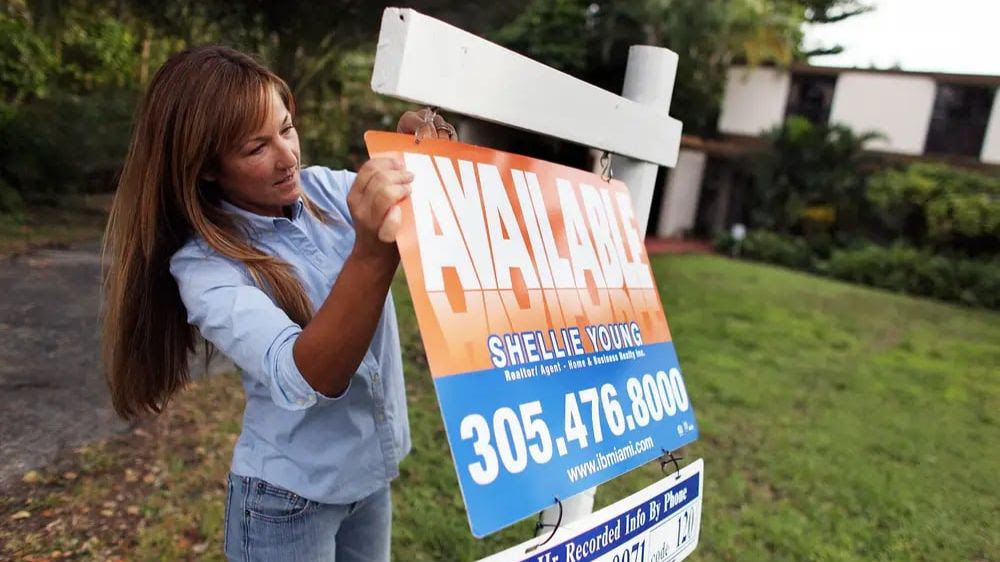
Meredith Whitney, the financial guru who called the 2008 crash, says home prices could drop 10-20% as the market thaws—but don’t get too excited yet.
Boomers, who own 60% of homes, are clinging to their properties like they’re life rafts, thanks to locked-in low mortgage rates and soaring costs of moving.
Meanwhile, millennials and Gen Z are stuck window-shopping for homes they can’t afford, with high prices and mortgage rates keeping them sidelined.
Whitney says prices and rates need to fall together to unfreeze the market, but until then, it’s a “standoff” between buyers and sellers.
So, unless this “silver tsunami” of downsizing boomers actually happens, the housing market might stay as frozen as grandma’s fruitcake.
ECONOMY HEADLINES
🏡 Housing costs remain exceptionally high due to expensive land, labor shortages, strict zoning regulations, and opposition from existing homeowners, leaving builders struggling to keep up with demand and making affordability a persistent issue.
🛢️ Trump’s renewed energy agenda focuses on expanding drilling, cutting regulations, and increasing exports, promising jobs and lower costs but raising significant concerns about environmental impacts and the future of renewable energy.
🦃 Thanksgiving dinner is 5% cheaper than last year, but elevated prices for staples like cranberries and rolls still mean many families are grappling with higher costs than before the pandemic.
💸 Markets now predict the Fed will pause rate cuts in December, driven by growing concerns over inflation linked to Trump’s tariffs and increased government spending plans. 📈
🛍️ Businesses are scrambling to stockpile goods before Trump’s steep tariffs on Chinese imports take effect, with many struggling to find affordable alternatives to China’s well-established and cost-effective supply chains.
BUSINESS
Spirit Airlines Crashes into Bankruptcy – A Case Study in How Not to Fly High

Spirit Airlines, the budget carrier everyone loves to hate, has filed for bankruptcy after realizing breakneck growth and bargain-basement fares aren’t enough to survive when the big boys play dirty.
Its “bare fare” strategy forced competitors to lower prices, but once airlines like Delta rolled out “basic economy,” Spirit lost its edge.
Regulators blocked mergers with JetBlue and Frontier, leaving Spirit to drown in its own overexpansion, selling off planes it can’t afford to keep flying.
The airline industry’s relentless race to add seats and slash costs just keeps churning out losers, and Spirit’s attempt to go upscale only made things worse.
Lesson learned: stick to flying cheap and fast, or risk a one-way trip to bankruptcy court.
RETIREMENT
Beat the Taxman: How Roth Conversions Can Stretch Your Retirement Savings
Retirees in their 60s are jumping on Roth conversions to pay taxes now and enjoy tax-free growth later, potentially making their nest eggs last years longer.
With Trump’s 2017 tax cuts likely to stick around, they have more time to shift savings from traditional IRAs into Roth accounts before higher tax rates or required minimum distributions (RMDs) at age 73 kick in.
The upfront tax bill can sting, but it shrinks future tax burdens, lowers Medicare premiums, and leaves heirs with tax-free withdrawals.
Savvy retirees like Bill Walsh and Bill Simonis are using low-tax years in early retirement to convert strategically, taking the short-term hit to secure long-term gains and shield more from Uncle Sam’s grasp.
Trivia
Which of the following industries saw a notable increase in demand during the 1970s U.S. energy crisis?
A. Electric Vehicles
B. Home Insulation
C. Offshore Drilling
D. Solar Panels
E. Nuclear Energy
Scroll for the answer
TAXES
Not All Tax Cuts Are Equal: Here’s What Really Spurs Economic Growth

As Republicans gear up for their 2025 tax bill, economists are warning that not all tax cuts are created equal when it comes to boosting the economy.
Popular measures like extending lower individual tax brackets or eliminating taxes on tips may please voters but do little to drive long-term growth.
The real economic payoff comes from business-focused policies like full expensing for investments, which incentivize companies to spend, hire, and raise wages.
While Republicans argue tax cuts can pay for themselves, experts note they typically recover only a small fraction of their cost.
Trump’s 2017 tax cuts spurred some growth but fell short of covering their price, and his new ideas—like cutting taxes on tips and overtime—risk rewarding activity that was already happening, rather than spurring fresh investment.
Answer
Which of the following industries saw a notable increase in demand during the 1970s U.S. energy crisis?
B. Home Insulation
During the 1970s energy crisis, rising energy costs and shortages led to a surge in demand for home insulation as Americans sought ways to improve energy efficiency and lower heating and cooling expenses.
Federal incentives and public awareness campaigns promoted insulation, making it a key industry during this period.
This trend underscored how energy price volatility can reshape consumer behavior and spur growth in energy-saving technologies.