Michael Hartnett, Chief Investment Strategist at Bank of America Global Research, has a track record of identifying major market turning points early. Most recently, he has referred to gold as “the last safe haven” in today’s increasingly fragile global environment.
Hartnett has also begun drawing comparisons to what he calls a “Nixon-era replay”—a framework that deserves investor attention.
The “Nixon Playbook” — and Why It Matters
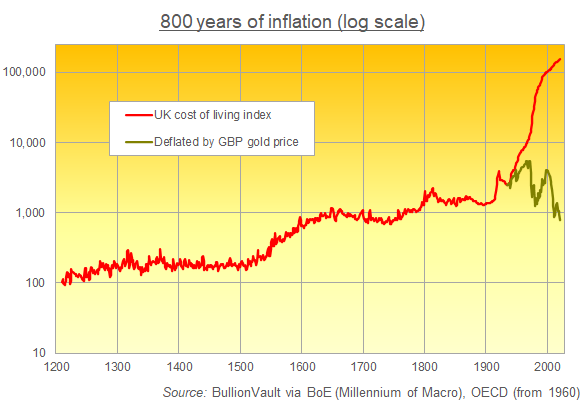
In the early 1970s, mounting fiscal pressure, rising inflation, and geopolitical strain led President Nixon to abandon the gold standard. The result was a currency crisis that ushered in a prolonged period of inflation and monetary instability.
During that decade, gold rose more than 1,000%—not as a speculative trade, but as a response to currency debasement and a loss of confidence in monetary policy.
Hartnett believes similar forces may be quietly building today.
Why Gold Is Back at the Center of the Conversation
• The Last Safe Haven
With equities priced for perfection, bonds vulnerable to inflation, and currencies increasingly tied to fiscal expansion, Hartnett argues gold may be the final major asset not directly dependent on government policy promises.
• A Hedge Against an AI-Driven Equity Bubble
If today’s AI-fueled optimism proves excessive, history shows gold has tended to hold value during periods of equity repricing.
• Policy Volatility and Dollar Risk
Growing deficits, election-year uncertainty, and shifting monetary priorities raise the risk of a weaker U.S. dollar—an environment where gold has historically benefited.
• Inflation, Debt, and Fiscal Expansion
Persistent inflation pressures and record government debt levels closely resemble the macro conditions that preceded prior monetary regime shifts.
• Unprecedented Central Bank Demand
Global central banks—led by China—are purchasing gold at record levels, positioning it as the second-largest global reserve asset. This represents a meaningful structural change, not a short-term trend.
What This Means for Investors
Gold is increasingly being viewed not just as a defensive allocation, but as a strategic hedge against monetary regime change. While no outcome is guaranteed, history suggests that when confidence in policy frameworks erodes, gold tends to reassert its role.
The real question for investors is not whether volatility returns—but whether portfolios are positioned before it does.