Inflation hawk vows balance-sheet overhaul

Dear Friend,
Crypto clarity?
Trump’s not waiting on Congress.
His SEC and CFTC chiefs just said they’ll make their own rules if lawmakers keep dragging their feet—because why wait when you can just deregulate with flair?
Meanwhile, Trump finally picked his Fed chair, and spoiler alert: it’s the guy he passed over in 2017 for being too serious.
And over in credit-card land, Amex is crushing earnings—but they’re sweating Trump’s proposed 10% APR cap. Apparently, rich people still love to swipe, but not that much.
Keep reading this edition of the Insider Report for all the spicy details.
Jeremy Blossom
Editor in Chief, Everlasting Wealth
MARKETS
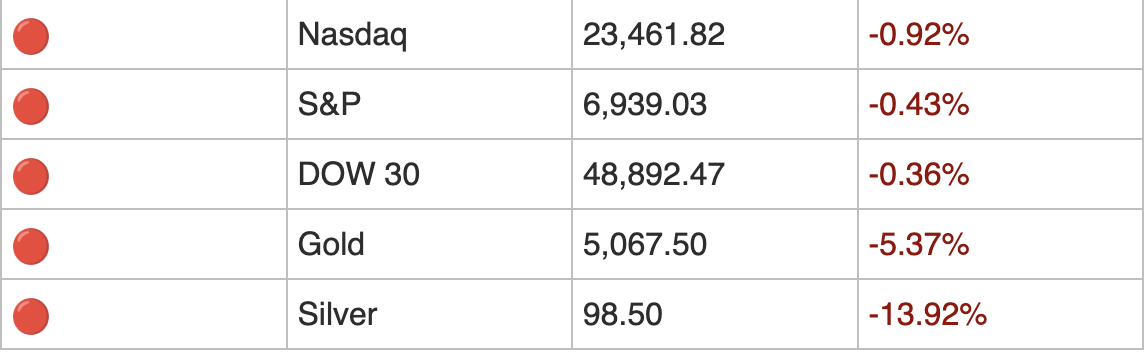
MARKET HEADLINES
🚀 Sandisk soared 25% after crushing earnings and projecting explosive AI-driven growth, prompting one analyst to triple his price target to $1,000.
🏦 SoFi posted its first-ever billion-dollar quarter, driven by strong user growth and surging financial services revenue, as it doubles down on crypto and all-in-one finance.
🤖 Nvidia dipped slightly as investors digested OpenAI’s $100B IPO plans—funded in part by Nvidia itself—which could supercharge demand for its chips.
💸 Bitcoin, Ethereum, and XRP dropped sharply after Trump nominated Fed hawk Kevin Warsh, stoking fears of higher rates and denting appetite for non-yielding assets.
💳 American Express shares slipped despite strong revenue growth, as earnings slightly missed and Trump’s proposed rate cap clouds the credit-card sector’s outlook.
🛢️ Chevron beat earnings estimates and raised its dividend, but investor focus is now on Venezuela, where it aims to grow production by 50% amid legal and political risks.
⚡ AI hype is shaking up tech earnings as Microsoft stumbles and Sandisk rallies, with investors rethinking winners and losers across semis, software, and storage.
📉 The dollar rebounded after Trump picked Kevin Warsh for Fed chair, signaling tighter monetary policy and sparking a global re-pricing of rate expectations.
🏛️ Senators struck a last-minute deal to avoid a government shutdown, temporarily extending DHS funding while immigration negotiations continue.
🧠 Micron stock keeps climbing on AI-fueled demand, even after a top executive sold $10M in shares—just before the stock hit a record high.
Trump’s Regulators Say They’re Ready to Fill Crypto Law Void
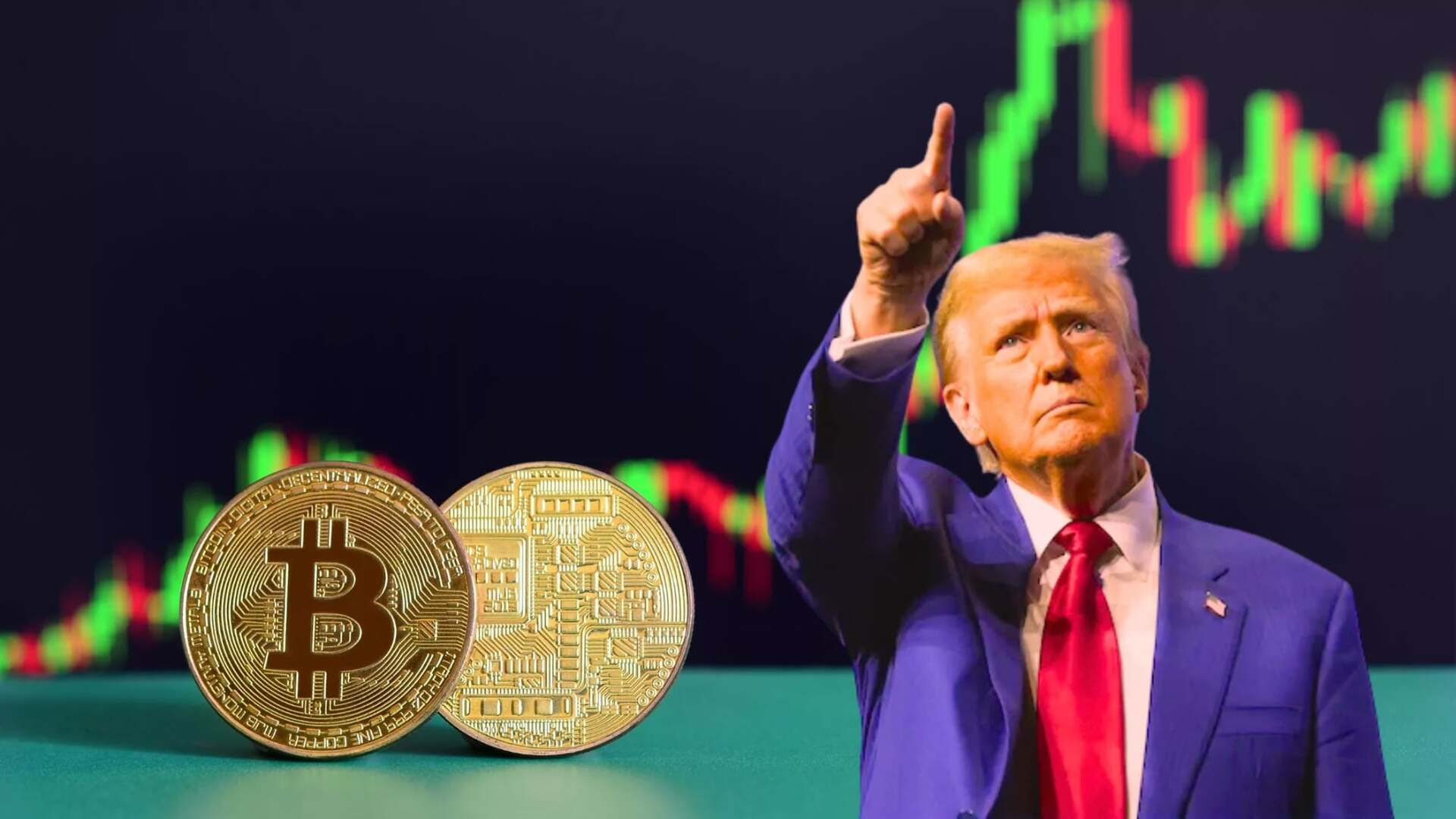
With Congress dragging its feet on the Clarity Act, President Trump’s SEC and CFTC chiefs are stepping in to lay down crypto rules themselves.
SEC Chair Paul Atkins and CFTC Chair Michael Selig say they’ll move ahead with regua latory framework even without new legislation, aiming to provide the clarity the industry craves.
The crypto bill was stalled after Coinbase’s surprise pullback over a dispute with banks on stablecoin rewards—derailing what was supposed to be a hallmark piece of bipartisan crypto legislation.
Now, regulators say they’ll work together to divide oversight (think: tokenized securities for SEC, commodities for CFTC) and issue guidance that mirrors the bill’s intent.
Unlike the Biden-era crackdown post-FTX, Trump’s team is offering a friendlier approach—talking exemptions for innovation and promising “no gaps” in oversight.
Expect more details at their joint event this week.
STOCKS 2 WATCH
🔎 Visa: Strong consumer holiday spending helped Visa deliver quarterly results that beat Wall Street expectations — and American Express is also set to report earnings early Friday.
↘️ J.B. Hunt Transport Services: The logistics stock fell in after‑hours trading after reporting weaker quarterly revenue as long‑haul freight volumes declined.
↘️ Chevron & Exxon Mobil: Both U.S. oil majors — Chevron, the only one still active in Venezuela, and Exxon, which exited in 2007 — saw their shares slip in premarket trading ahead of early Friday earnings releases amid broader energy sector pressures.
🔎 Apple: The tech giant posted blockbuster iPhone sales and quarterly profit, but investors focused on rising costs and other concerns despite strong results.
↘️ CK Hutchison: Shares dropped about 4.6% after Panama’s high court annulled the Hong Kong firm’s contract to operate two Panama Canal ports — a decision that deals a political and strategic blow and aligns with broader U.S. efforts to curb Chinese influence.
🔎 Sandisk & Western Digital: Data‑storage makers both topped quarterly forecasts — Sandisk’s shares jumped roughly 20% before the bell, while Western Digital sold off.
↗️ Deckers Outdoor: The footwear company rallied 13% in premarket trading after topping quarterly expectations, driven in part by strong demand for its Hoka running shoes and raising its outlook.
Fact of the Week
The barcode (UPC), introduced in the U.S. in the 1970s, quietly rewired the economy by letting stores track every beep at checkout—so inventory got leaner, supply chains got smarter, prices got easier to compare, and today investors still watch retail “scanner data” as a near-real-time pulse on what Americans are actually buying.
ECONOMY
Trump Finally Gets His Fed Guy: Kevin Warsh Tapped to Replace Powell
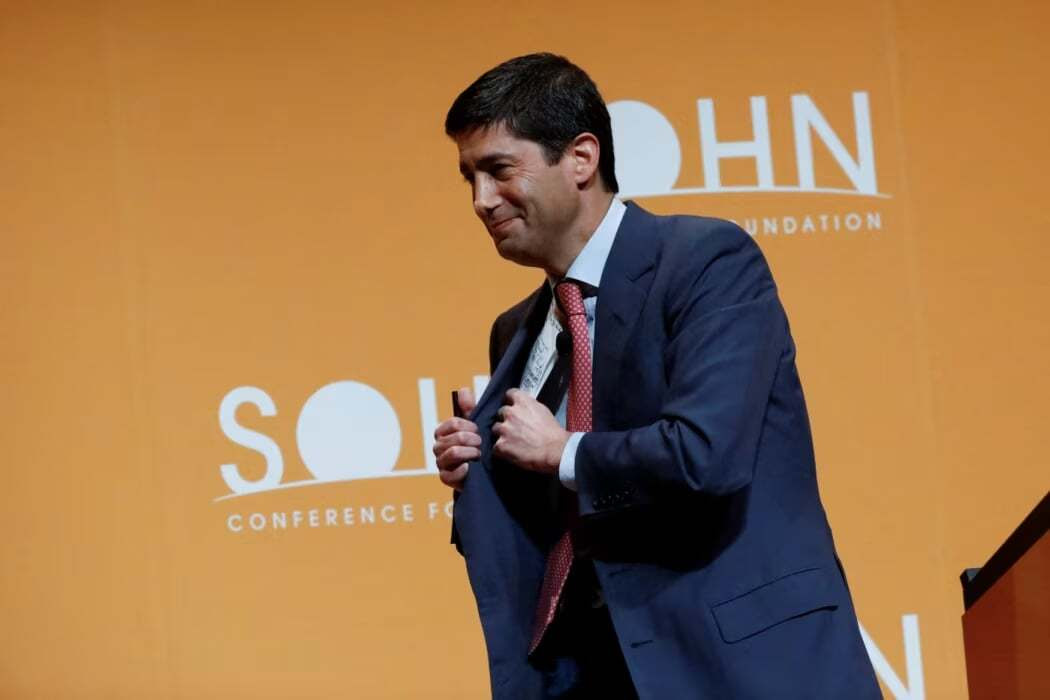
Well, it only took nine years, but Trump’s finally putting his stamp on the Fed.
Kevin Warsh—longtime inflation hawk, critic of the Fed, and economic policy junkie—is set to replace Jerome Powell as chair.
Trump passed over Warsh in 2017, thinking he looked a little too fresh-faced and not quite dovish enough.
But Warsh kept at it, talking up Trump’s economic playbook and sharpening his elbows for this moment.
Now he’s walking into the top job with a mission to overhaul the Fed’s bloated $6.6 trillion balance sheet, rethink its role in the markets, and maybe—just maybe—restore some fiscal backbone.
Warsh is no squishy consensus-builder; he’s called out the Fed for hiding behind “independence” to dodge accountability, and he’s been vocal about their inflation blind spots post-COVID.
Of course, not everyone at the Fed is rolling out the red carpet—many remember him taking potshots from the sidelines.
But hey, sometimes a little disruption is just what the economy ordered.
One thing’s for sure, with Warsh at the wheel and Trump riding shotgun, the Fed’s about to take a sharp turn.
Buckle up.
Economic Headlines
📊 Wholesale inflation ended 2025 hotter than expected, with core PPI rising 0.4% in December—fueling concerns that producer costs are starting to pressure consumer prices.
🏛️ Trump nominated Kevin Warsh as the next Fed chair, signaling a shake-up aimed at shrinking the balance sheet and pushing interest rates lower through “regime change.”
💸 The Fed, Congress, and White House are all chasing an illusion of affordability, as misguided rate cuts and price caps risk entrenching inflation rather than controlling it.
🎯 The CFTC plans new rules for prediction markets and is preparing to defend its turf in court as it asserts regulatory control over sports-based event contracts.
🤝 The SEC and CFTC are teaming up under Project Crypto to create unified rules and a crypto asset taxonomy, moving past old turf wars to give the industry clearer guidance.
⚠️ Jeremy Grantham warns that AI optimism may be fueling another historic bubble, and when investor confidence cracks, markets could face a painful reckoning.
📉 With U.S. population growth slowing to its weakest pace in over a century, labor shortages and weaker economic potential may soon redefine the debate around AI and jobs.
💱 A weakening dollar—down over 9% in a year—is threatening Trump’s economic plans, risking imported inflation and trapping the next Fed chair in a difficult policy bind.
🚨 A 5% yield on 30-year Treasuries could spark a global capital flight from U.S. assets, as investors grow uneasy with rising deficits, policy volatility, and geopolitical risks.
🛢️ Oil prices surged to four-month highs as U.S.-Iran tensions escalate, with markets bracing for possible military action and its ripple effects on energy costs.
Trivia
Which of the following developments most directly explains why U.S. stock markets were able to rally strongly in the decade after the 2008 Financial Crisis despite historically weak wage growth and uneven economic recovery?
A. A sustained boom in U.S. manufacturing exports
B. Large-scale federal infrastructure spending programs
C. Prolonged low interest rates that pushed investors toward riskier assets
D. Rapid population growth driven by immigration
E. A sharp rise in household savings rates
Scroll for the answer
BUSINESS
Amex Rides High on Wealthy Spenders, Pushes Back on Trump’s Credit Cap

American Express reported a strong Q4, with revenue jumping 10% to nearly $19 billion and net income up to $2.46 billion.
High-income customers are still swiping freely—restaurant spending rose 9%, retail 10%, and luxury purchases soared 15%.
CEO Stephen Squeri said the company is “bullish” on consumer strength and premium card demand, especially for Platinum cards.
But Squeri didn’t hold back criticism of President Trump’s proposed 10% cap on credit-card interest rates, warning it could lead to a “downward spiral” that hurts credit access—especially for small businesses.
Despite the earnings beat, Amex stock dipped 2.8%, as investors reacted to softer-than-expected EPS and a slight decline in overall cardholder numbers.
Still, with a 16% dividend hike and strong guidance for 2026, the company’s bet on affluent consumers looks firmly intact.
Answer
Which of the following developments most directly explains why U.S. stock markets were able to rally strongly in the decade after the 2008 Financial Crisis despite historically weak wage growth and uneven economic recovery?
C. Rapid population growth driven by immigration
After the 2008 Financial Crisis, the Federal Reserve’s extended period of near-zero interest rates and quantitative easing suppressed returns on bonds and savings, effectively pushing institutional and retail investors toward equities and other risk assets, which inflated asset prices and fueled a long bull market even as wage growth and real economic gains remained relatively modest.