Imports tax increase kicks in August

Dear Friend,
Trump just went full Oprah with tariffs—Canada gets 35%, most of the world gets 10%, and even your $12 trinkets from abroad are getting taxed starting next month.
Meanwhile, copper markets are confused, India’s slapped with a “Russia penalty,” and trade talks with China ended in a round of awkward shrugs.
Over at the Fed, rate cuts are becoming a family argument, with Trump’s appointees jumping ship and Powell stuck in “please everyone, upset no one” mode.
And somehow, in all this chaos, Apple just posted a blowout quarter—because nothing sparks iPhone sales like a looming tariff hike.
Keep reading this edition of the Everlasting Wealth Insider Report for all the market mayhem you didn’t know you needed.
Jeremy Blossom
Editor in Chief, Everlasting Wealth
MARKETS
MARKET HEADLINES
💉 Moderna shares plunged after trimming its 2025 outlook and announcing layoffs, as Wall Street questions its ability to survive waning Covid vaccine demand without burning through its shrinking cash pile.
🏗️ Fluor stock dropped 17% after cutting its full-year outlook, citing project delays, design errors, and client spending hesitancy amid economic uncertainty.
🖥️ Nvidia’s rally paused as China’s cybersecurity probe and tariff fears spooked investors, despite booming AI-driven demand from tech giants like Amazon and Microsoft.
🚘 Chinese EV makers like XPeng and NIO reported strong deliveries, but shares slipped as U.S. tariff tensions cast a shadow over the sector—including Tesla.
🛢️ Exxon Mobil stock rose after topping earnings estimates, with CEO Darren Woods highlighting the highest second-quarter upstream production in 25 years.
💼 Tariff shocks are distorting earnings reports for giants like Apple and Amazon, as companies scramble to navigate rising costs and inventory risks from Trump’s global trade policy.
🤖 Tesla stock dipped as investors await clarity on robo-taxi expansion, with limited rollout details raising questions about the scale and timeline of its self-driving ambitions.
🪙 Cryptos like Bitcoin and Ether fell as Trump’s tariffs rattled markets, reinforcing their volatility as risk assets in times of economic uncertainty.
🚗 GM stock rose after the U.S. secured a 15% tariff deal with South Korea, easing cost pressures for imported vehicles and boosting its global competitiveness.
📈 Stocks continue to rally despite a hawkish Fed, defying historical trends as AI-driven gains and resilient earnings overshadow the drag from high interest rates.
Trump Tariffs Drop the Hammer—Global Markets Blink
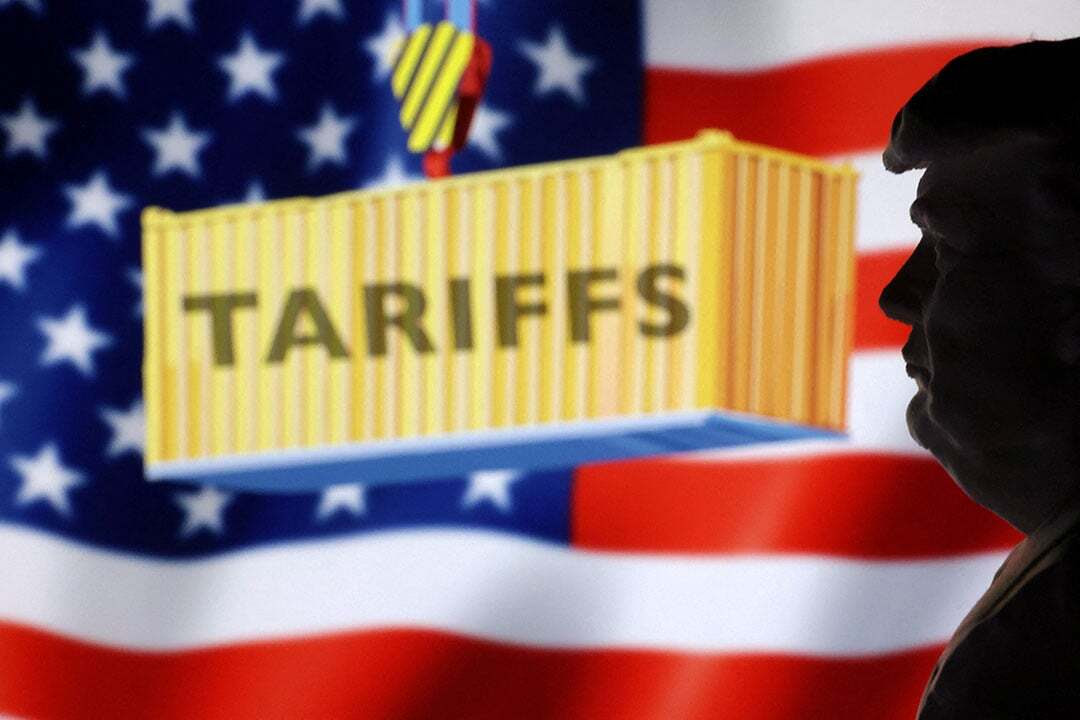
Trump just fired the next big shot in the trade war, slapping a 35% tariff on Canada and setting a new baseline of 10% for basically everyone else.
It’s like Oprah out here—“You get a tariff! You get a tariff!” Mexico got a 90-day hall pass, South Korea made a deal with a 15% rate (classic “deal-maker” move), and the EU’s still at the negotiating table with 15% hanging over their heads.
China? Talks ended with nothing but awkward handshakes and a deadline looming on August 12.
Oh, and Trump ended the de minimis exemption, so now even your cheap online junk from abroad gets taxed starting August 29.
Copper prices took a nosedive after he slapped 50% tariffs on semi-finished copper but spared scrap—because sure, that makes sense.
Meanwhile, India’s getting hit with 25% tariffs plus a “Russia penalty,” whatever that means.
Trump’s not just playing 4D chess—he’s flipping the board and charging everyone for the pieces.
STOCKS 2 WATCH
↗️ Apple: iPhone sales surged past analysts’ projections for the June quarter, as customers rushed to buy ahead of potential tariff-related price hikes. That boost helped total revenue grow roughly 10% year-over-year, sending shares up nearly 2% in premarket trading.
↘️ Coinbase: Shares of the crypto trading platform dropped 11% before the bell after it missed revenue forecasts, weighed down by declining activity in the spot trading market.
↗️ Reddit: The social media firm reported a surprise profit last quarter, aided by AI-driven ad optimization. Shares soared 10% in after-hours trading.
↘️ Novo Nordisk, AstraZeneca: European-listed shares of both drugmakers declined after President Trump sent letters to 17 pharmaceutical firms demanding U.S. drug prices match the lowest levels offered in peer countries.
↘️ Amazon: Despite strong gains in both revenue and profit—boosted by continued growth in its cloud business—shares of the e-commerce giant fell 8% in premarket trading, as investors were disappointed by its slower-than-expected cloud expansion compared to competitors.
Fact of the Week
The U.S. government once paid dairy farmers to slaughter their cows. In 1986, facing a massive milk surplus, the USDA launched the “Dairy Termination Program,” offering cash incentives to farmers who agreed to cull their herds and stay out of milk production for five years. Over 1.5 million cows were taken off the market—not for disease or age, but to stabilize milk prices.
ECONOMY
Fed Freezes Rates While the Tariff Tornado Swirls
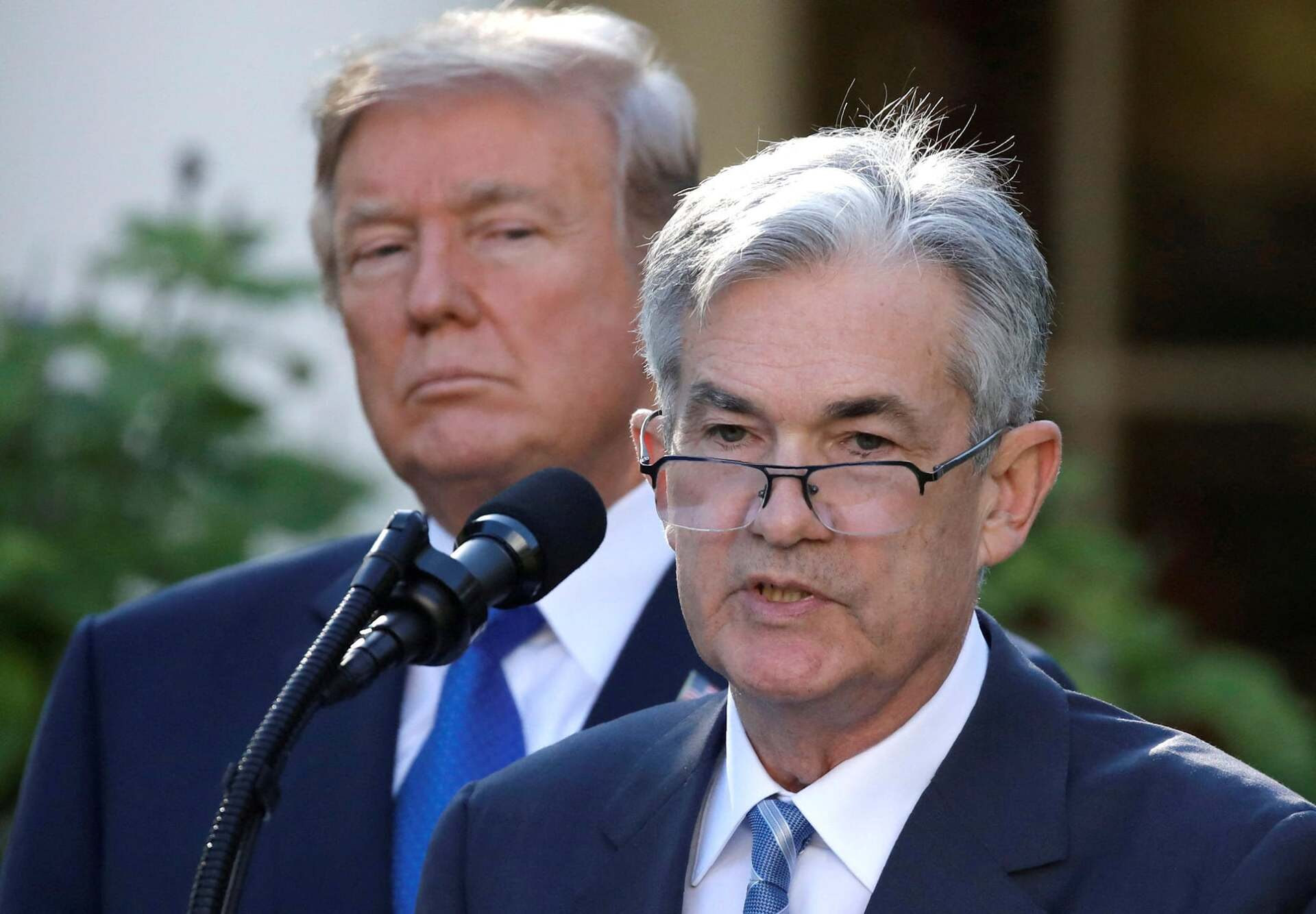
The Fed just hit the pause button again, holding rates steady at 4.25%–4.5%, but the real drama?
Two Trump-appointed Fed officials broke ranks and wanted an immediate cut.
Looks like Team Powell’s unity is cracking faster than CNN’s credibility.
With Trump barking for lower rates and slapping tariffs like he’s running a flash sale on trade wars, the Fed is trying to figure out if inflation’s going to pop back up—or if the economy’s about to stall out.
Powell’s basically in Goldilocks mode: cut too soon and you risk inflation, wait too long and you crush jobs.
Meanwhile, businesses are sitting on tariff-laced inventory and hoping consumers don’t notice the price tags going up.
The September meeting is shaping up to be a nail-biter, but if the economic muddle continues, Powell might just keep playing statue.
One thing’s clear, Trump’s turning up the heat, and the Fed’s trying not to boil over.
ECONOMIC HEADLINES
📉 Treasury yields often fall before a Fed rate cut, but with September’s cut uncertain, betting on a bond rally remains risky.
🏦 Fannie Mae and Freddie Mac stocks surged as Trump seeks Wall Street input on potentially taking the mortgage giants public.
💊 Trump softened his drug price crackdown by limiting most-favored-nation pricing to Medicaid and new drugs, easing pressure on pharma stocks.
🔗 The SEC launched ‘Project Crypto’ to make the U.S. a global hub for digital assets, signaling a major regulatory shift under Trump.
🪙 Copper prices plunged after Trump’s surprise 50% tariff order, as markets reacted to narrower-than-expected import restrictions.
💼 Wage growth stayed flat in Q2, easing inflation fears but dimming consumer spending strength amid a cooling labor market.
🚗 Ford stock rose despite messy earnings, with record sales and restored guidance offsetting EV losses and rising tariff costs.
📊 Hotter-than-expected core PCE inflation in June dimmed hopes for a September Fed rate cut, reinforcing sticky price concerns.
🤖 AI-driven stock gains continue to defy Fed hawkishness, with Big Tech’s self-funded boom powering markets through high rates.
🇨🇳 Tariffs are just one challenge for China as deflation, weak consumer demand, and industrial overcapacity weigh on its economy.
Trivia
Which U.S. central banking tool is most directly used to influence short-term interest rates?
A. Quantitative Easing
B. Discount Rate
C. Reserve Requirements
D. Open Market Operations
E. Forward Guidance
Scroll for the answer
BUSINESS
Tariffs? What Tariffs? iPhone Sales Soar as Americans Panic-Buy

Turns out slapping tariffs on everything might’ve actually helped Apple—at least for now.
iPhone sales jumped over 13% last quarter, thanks to Americans rushing to buy before Trump’s new levies make their next phone cost as much as a mortgage payment.
Overall revenue shot up 10% to $94 billion, and Apple somehow managed to dodge most of the China-tariff hit by cranking out more iPhones in India.
Of course, now that Trump’s slapping India with tariffs too, that loophole may close faster than Biden’s eyes during a speech.
Apple’s still looking at over a billion dollars in tariff costs next quarter, but hey—gotta keep those stockholders happy.
Meanwhile, Tim Cook’s AI strategy is basically “we’ll get back to you,” while everyone else in Big Tech is spending like it’s the Space Race.
Still, Wall Street’s loving those profit margins and iPhone panic-buys.
At this rate, Apple might want to send Trump a thank-you card.
Answer
Which U.S. central banking tool is most directly used to influence short-term interest rates?
D. Open Market Operations
Open Market Operations (OMOs) refer to the buying and selling of U.S. Treasury securities by the Federal Reserve in the open market to regulate the supply of money.
When the Fed buys securities, it injects liquidity into the banking system, lowering short-term interest rates.
When it sells, it pulls money out, raising rates.
OMOs are the Fed’s most frequently used and flexible tool for targeting the federal funds rate, which influences borrowing costs across the economy.