
Dear Friend,
The U.S. is doing laps around the global economy with a productivity boost that’s got everyone else watching in awe.
Apparently, squeezing more out of every hour is our new Olympic sport, and spoiler: we’re winning.
Meanwhile, Americans are clinging to their aging cars, betting duct tape and a prayer can keep those wheels turning.
Elsewhere, Bitcoin hit $100K (yes, you read that right), retirement is turning into a family board meeting, and your state income tax might just decide how much of your paycheck stays yours.
Let’s dive into this week’s lineup—there’s a lot to unpack!
Jeremy Blossom
Editor in Chief, Everlasting Wealth
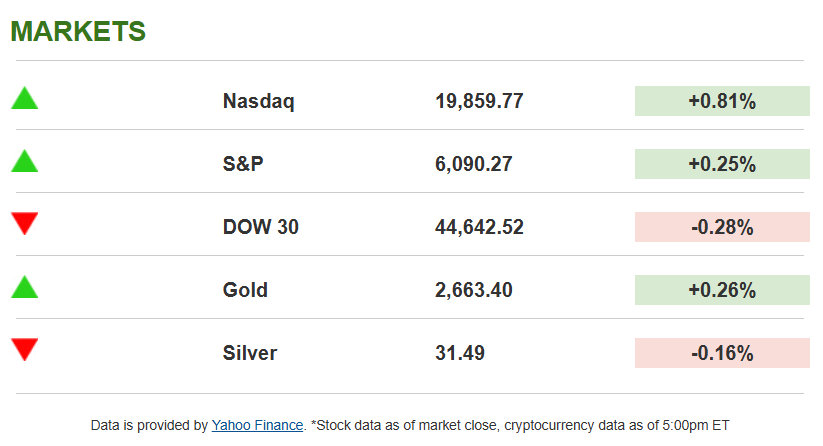
MARKET HEADLINES
📈 U.S. stocks are pricey but unpredictable: While forecasts from Goldman Sachs and Bank of America predict weak long-term returns due to high valuations, historical trends suggest there’s no clear link between today’s nosebleed prices and next year’s performance, leaving room for stocks to get even more expensive.
💻 Robinhood targets serious traders on desktop: Moving beyond its mobile-first origins, Robinhood is expanding into desktop platforms with its Legend software, aiming to cater to active traders who value advanced tools, as part of a broader strategy to boost revenue and diversify its offerings.
💸 Covid-era market timing hurts investors: Since the pandemic, individual investors have doubled their losses from poorly timed trades, with actively managed funds hit hardest, as panic-selling and buying at market peaks erode portfolio returns more than in pre-Covid years.
🔐 Veeam triples valuation with $2 billion share sale: The data protection firm Veeam Software, now valued at $15 billion, has attracted high-profile investors like TPG and Temasek as it leverages strong growth in demand for AI-driven data recovery and cloud-based security solutions.
🌍 BlackRock bets on private markets revolution: BlackRock’s recent $28 billion spree of private market acquisitions reflects its vision to integrate private investments with indexing strategies, democratizing access and reshaping the landscape of alternative assets in the process.
Bitcoin Hits $100K: The ‘Digital Gold’ Goes Mainstream with Trump’s Crypto Boost

Bitcoin has blasted past $100,000, thanks to a post-election rally fueled by President-elect Trump’s crypto-friendly agenda.
Promising to “end Biden’s war on crypto,” Trump has picked Paul Atkins, a pro-crypto regulator, to head the SEC, and pledged to build a national bitcoin reserve.
The crypto crowd, once all about dodging government control, now finds itself cozied up to Washington.
Oh, the irony. Investors are piling into bitcoin ETFs, pouring billions into the digital gold rush.
But let’s not forget bitcoin’s wild history—this isn’t its first spike, and crashes have been brutal before.
Still, with crypto-backed politicians taking over Congress and regulators stepping aside, the sector’s betting big on a regulatory glow-up.
Whether bitcoin’s price holds or tumbles, one thing’s clear: the rebel currency has gone corporate, with Wall Street and D.C. now playing key roles in its future.
Bitcoin’s journey from cypherpunk dreams to Capitol Hill sweetheart might just be its biggest plot twist yet.
STOCKS TO WATCH
↗️ DocuSign: The e-signature company’s improved business performance last quarter led to upgraded forecasts for key full-year financial measures. Shares climbed 15% in premarket trading.
↗️ Ulta Beauty: The cosmetics retailer’s strong performance prompted an annual outlook upgrade, sending its stock soaring 11% before the market opened.
↗️ Lululemon: A strong start to the holiday season pushed the yoga-pants maker to raise its annual forecast, boosting its shares by 9% in premarket trading.
🔎 Smith & Wesson: The firearms manufacturer warned of weaker demand ahead, resulting in lower-than-expected profit and revenue. It guided for a cautious second half of its financial year.
This Day in the Markets
📉 On this day in 1974, the Dow Jones Industrial Average closed at 577.60, reaching its lowest point during the devastating 1973–1974 bear market. This steep downturn was fueled by a combination of factors, including the OPEC oil embargo, which caused soaring energy prices, rising inflation that eroded consumer purchasing power, and persistent economic stagnation. The period remains one of the most challenging for U.S. markets, symbolizing the turbulent economic environment of the 1970s.
ECONOMY
U.S. Economy: Winning at the Productivity Olympics While Others Watch

Looks like America is pulling off a productivity miracle.
While inflation and job markets are finally cooling down, workers and businesses here are managing to squeeze more out of every hour, fueling strong economic growth.
Apparently, doing “more with less” isn’t just a corporate buzzword—it’s the game plan.
The U.S. is leaving Canada, Europe, and others eating our dust when it comes to getting things done.
Some say it’s thanks to our love for tech, pandemic-induced job shuffles, and people chasing better gigs in a remote-work-friendly world.
Meanwhile, lighter regulations and a surge in startups are also keeping us ahead.
Turns out, when you let people innovate and hustle, good things happen.
Who’d have thought? While other nations are struggling to figure it out, the U.S. seems to have cracked the code.
Take a bow, America—you’ve earned it.
ECONOMY HEADLINES
🌍 Global economy to grow, but tariffs loom: The OECD predicts slightly faster global growth in 2025 as inflation cools, but risks such as U.S. tariff threats and wide budget deficits could undermine the recovery.
⚙️ Income gap shifts for Black and white workers: A Harvard study reveals declining prospects for working-class white Americans while working-class Black Americans see economic gains, driven by differences in how each group adapted to industrial decline.
💳 Gen Z’s credit card habits spark concern: Gen Z is accumulating credit card debt at unprecedented rates due to post-pandemic spending, rising living costs, and easy credit access, jeopardizing their long-term financial stability.
🇺🇸 Trump pivots to tariffs over sanctions: Donald Trump prioritizes tariffs over sanctions to protect the U.S. dollar’s global dominance, arguing they are a more flexible tool for advancing economic and foreign policy goals.
🏙️ Southern rents dip amid apartment boom: Southern and Sun Belt cities see falling rents due to record apartment construction, but affordability challenges persist as new units cater mainly to luxury markets.
BUSINESS
Auto Repair and Parts: Riding Out the Boom in Aging Cars
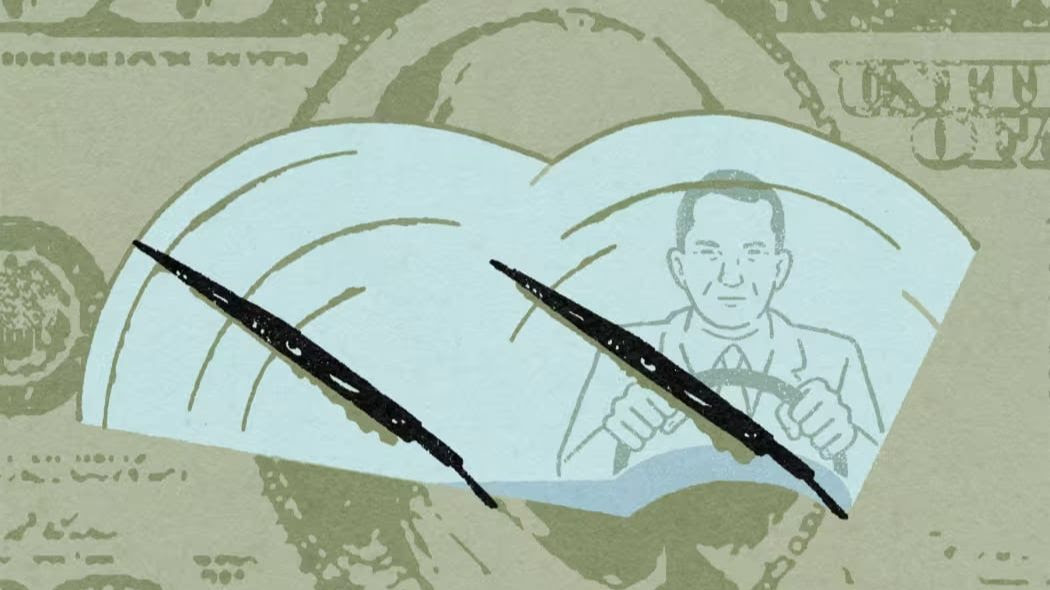
Americans are holding onto their cars longer than ever—an average of 13.6 years—and while they may be built to last, they’re starting to creak.
Inflation and sky-high interest rates have folks avoiding new car payments like the plague.
Instead, they’re buying off-brand tires and putting off repairs, which might save a few bucks today but risks big-time bills tomorrow.
Auto repair shops should be rolling in dough, but even chains like Valvoline and Napa are feeling the pinch as consumers trade down or defer maintenance.
It’s a bit like skipping the dentist—you know it’s going to hurt later, but hey, that’s future-you’s problem.
And with a chunk of these drivers in the lower-income bracket, the struggle to balance cost and safety is all too real.
Good news for clunker enthusiasts, though: history shows that when folks finally cave, repair spending rebounds.
For now, it seems America is betting big on duct tape and prayer to keep their wheels rolling.
RETIREMENT
The Retirement Role Reversal: Taking Life Advice from the Kids

Welcome to retirement, where the kids get a say in your life choices—like whether you can keep pedaling a tandem bike after a near-death experience with a truck.
A retired couple reflected on how their grown sons’ advice shaped their decision to stick with bike touring.
Their boys gave a thumbs-up but suggested safety upgrades.
Score one for the kids! Now, the couple is realizing that their kids’ input will matter even more as they age.
Whether it’s choosing where to live, when to trade in their San Francisco home, or even buying a car, their sons are stepping into the role of trusted advisors.
One son has strong opinions on vehicles, suggesting they buy their first-ever new car because, hey, it’s safer and holds value.
Another urged them to ditch their “Frankenbike” for a custom-fit tandem because comfort counts.
This family dynamic is part of a broader trend: as parents age, major decisions—about money, health, or lifestyle—start becoming team discussions.
The couple is even considering a kitchen-table talk to map out end-of-life plans and asset transfers, inspired by their own parents’ proactive approach.
Retirement may be about newfound freedom, but sharing the reins with the kids? That’s a life lesson in itself.
Trivia
Which of the following factors contributed significantly to the rapid expansion of the U.S. economy during the post-WWII era?
A. Suburbanization
B. Defense Spending
C. Baby Boom
D. Infrastructure Development
E. All of the Above
Scroll for the answer
TAXES
State Income Tax Rates 2024: Where Your Wallet Feels the Heat
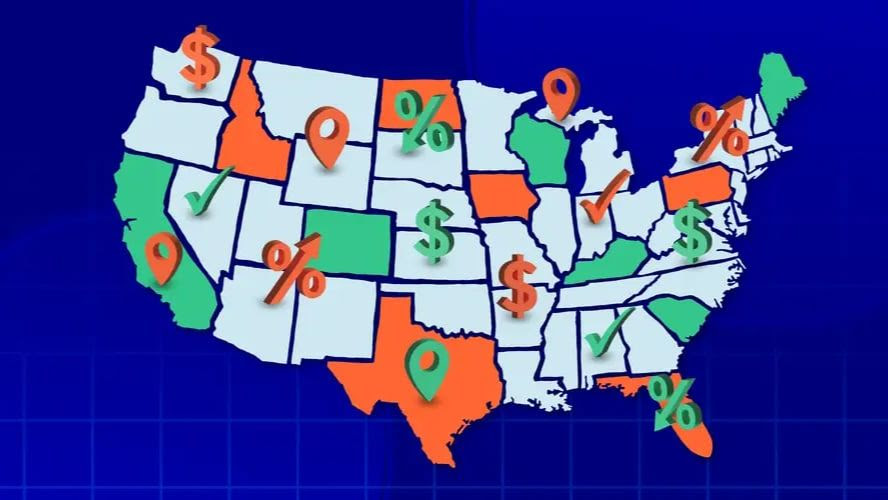
State income taxes are a mixed bag across the U.S., with some states taxing everything under the sun and others letting you keep every cent.
Nine states—like Florida and Texas—have no income tax at all, while high-tax states like California (13.3%) and New York (10.9%) make sure to get their cut.
For those who pay, it comes down to flat vs. progressive rates. Flat tax states like Colorado (4.4%) keep things simple—everyone pays the same percentage.
Progressive tax states, like Hawaii, charge higher rates the more you earn, topping out at a hefty 11%.
No-income-tax states may sound dreamy, but watch out—what they skip in income taxes they often make up in sky-high sales and property taxes.
Whether you’re saving in Alaska or spending in California, understanding your state’s system is key to keeping Uncle Sam’s local cousin from digging too deep into your wallet.
Answer
Which of the following factors contributed significantly to the rapid expansion of the U.S. economy during the post-WWII era?
E. All of the Above
The post-WWII era saw unprecedented economic growth in the U.S., driven by multiple factors.
Suburbanization led to a housing boom, spurred by the GI Bill and mass automobile adoption.
Defense spending during the Cold War fueled innovation and job creation in aerospace and technology.
The Baby Boom increased demand for goods, services, and education, while infrastructure development—such as the Interstate Highway System—enhanced connectivity and commerce.
This era became synonymous with American prosperity and the rise of the middle class.