Investor confidence wavers amid massive AI spending and debt

Dear Friend,
The AI hype train just hit a pothole—Nvidia’s down 10%, Meta and Palantir got slapped, and OpenAI wants to spend $1.4 trillion chasing profits that don’t exist.
Meanwhile, Wall Street’s writing checks like it’s 1999 and the dot-com bubble never happened.
Holiday hiring? Practically vanished. Seasonal jobs are scarcer than bipartisan cooperation, and college grads are staring down the worst job market in years.
But hey, at least robots are doing great.
Keep reading this edition of the Everlasting Wealth Insider Report to see who’s still clinging to the AI dream—and who’s quietly heading for the exits.
Jeremy Blossom
Editor in Chief, Everlasting Wealth
MARKETS
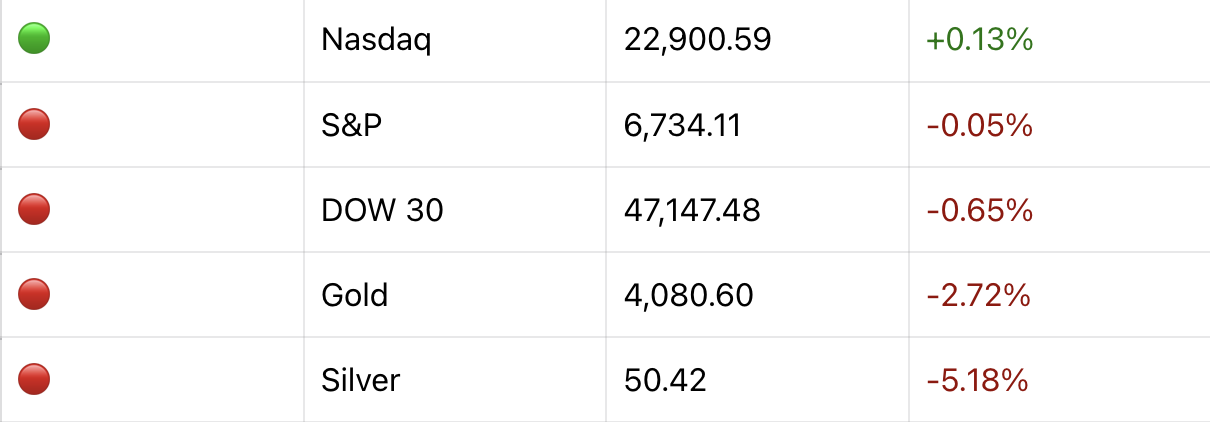
MARKET HEADLINES
📉 Nvidia’s stock continued its slide amid broader tech selloffs, as investors await earnings and the company pushes back against proposed export restrictions.
🎬 Warner Bros. Discovery shares jumped as Paramount, Comcast, and Netflix prepare bids, setting the stage for a potential media industry shake-up.
😟 Markets fell sharply on fading hopes for a December Fed rate cut, but analysts caution it’s too early to panic as economic fundamentals remain steady.
💥 Bitcoin, Ethereum, and other major cryptos plunged as investor fears over AI valuations and waning Fed rate-cut bets triggered a broad selloff in risk assets.
🏛️ Piper Sandler recommends Treasuries over defensive stocks for correction protection, arguing bonds offer better downside risk management and volatility balance.
🍿 Netflix will split its stock 10-for-1 on Monday, and Eli Lilly is a top candidate to follow as high-priced shares attract interest from retail investors.
🧢 David Tepper’s Appaloosa made bold contrarian buys in Whirlpool, Goodyear, and American Airlines, while exiting Intel and trimming UnitedHealth holdings.
🍗 JBS beat earnings estimates thanks to strong poultry sales, though rising beef costs and supply pressures weighed on its North American beef segment.
🍎 Berkshire Hathaway may have trimmed its massive stakes in Apple and Bank of America in Q3, continuing its cautious trend of net stock sales.
🚗 Tesla stock fell below $400, but retail investors kept buying, reaffirming their enthusiasm for the EV maker despite broader market and AI stock weakness.
The AI Gold Rush: Now with More Debt, Fewer Profits, and a Side of Panic
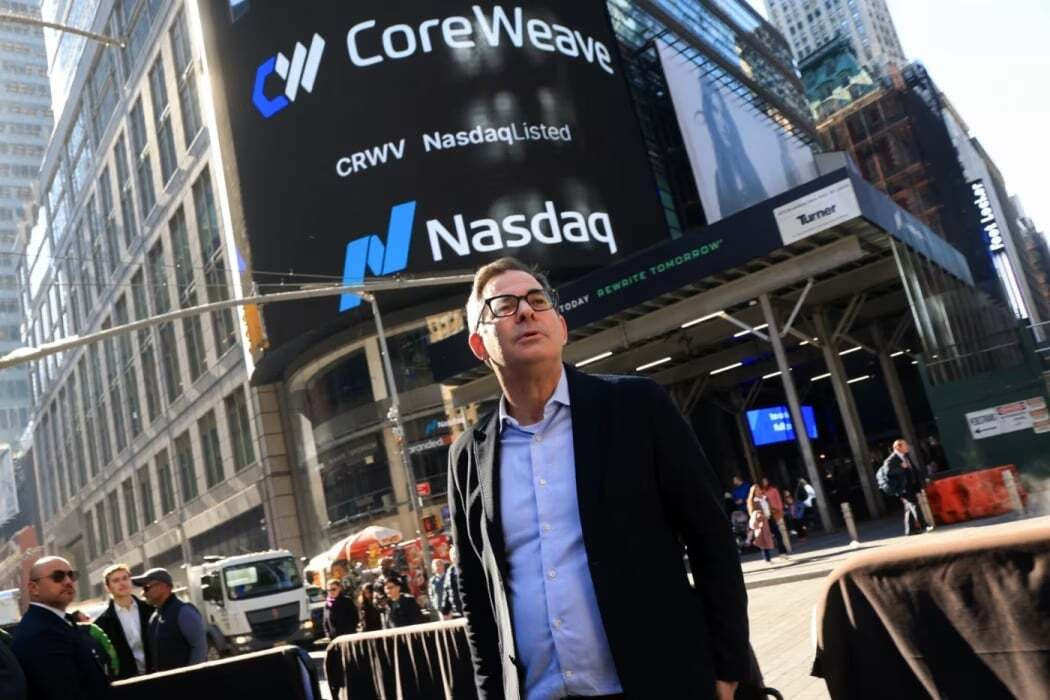
It looks like the AI hype train might be running out of gas—or at least wobbling on the tracks.
Wall Street’s darling, Nvidia, just lost 10% in a week, which is basically a financial slap in the face after almost hitting a $5 trillion market cap.
Even Meta and Palantir—who actually had decent earnings—got hammered, because apparently throwing billions at server farms without turning a profit is starting to spook investors.
Meanwhile, OpenAI wants to spend $1.4 trillion (yes, with a T) over the next few years, even though they only make $20 billion now and are projecting a cute little $74 billion loss by 2028.
The cherry on top?
These AI companies are racking up debt faster than a college kid with a new credit card—Oracle raised $18 billion just to keep up, and Meta set a record with a $27 billion debt deal for a data center in Louisiana.
Oh, and there are delays, power shortages, and supply chain headaches to boot. But sure, let’s keep pretending this is all perfectly sustainable.
The big dogs like Nvidia are still bullish, but if this bubble bursts, it’s gonna make the dot-com bust look like a hiccup.
STOCKS 2 WATCH
↗️ Richemont: The Swiss luxury house behind Cartier saw shares surge nearly 8%, driven by stronger sales in its high-end jewelry segment.
↘️ Applied Materials: Despite topping quarterly expectations thanks to AI-fueled demand, the chip-equipment giant dropped 5% premarket amid a broader selloff in tech stocks.
↘️ Coinbase, Strategy, Robinhood: Crypto-related stocks stumbled in early trading as Bitcoin extended its decline below the $100,000 mark.
🔍 JBS: The world’s top meat producer beat quarterly forecasts on strong U.S. beef sales. Meanwhile, former President Trump has accused major meatpackers of inflating prices through collusion.
↘️ Rocket Lab: Shares slipped nearly 2% premarket, even as Blue Origin successfully deployed two Rocket Lab-built satellites en route to Mars on its first NASA mission.
↘️ Nvidia: The chipmaker dropped more than 1% before the bell following a Wall Street Journal report that Amazon and Microsoft are supporting legislation to tighten AI chip exports to China.
🔍 Under Armour: The athleticwear brand is deepening its restructuring efforts and will phase out its collaboration with NBA star Stephen Curry’s signature line.
↗️ Warner Bros. Discovery: Shares ticked higher after hours as reports emerged that Paramount, Comcast, and Netflix are eyeing bids—ranging from full acquisition to select studio and streaming assets.
Fact of the Week
America’s quirky love of the 30-year fixed mortgage meant millions locked ~3% loans in 2020–21, so when the Fed slammed rates higher, payments didn’t budge, homeowners stayed put, listings evaporated, prices and rents stayed lofty, and CPI’s slow-moving shelter math kept inflation sticky even as other parts of the economy cooled.
ECONOMY
Holiday Cheer on Hold: Fewer Jobs, More Competition, and a Whole Lot of Humbug
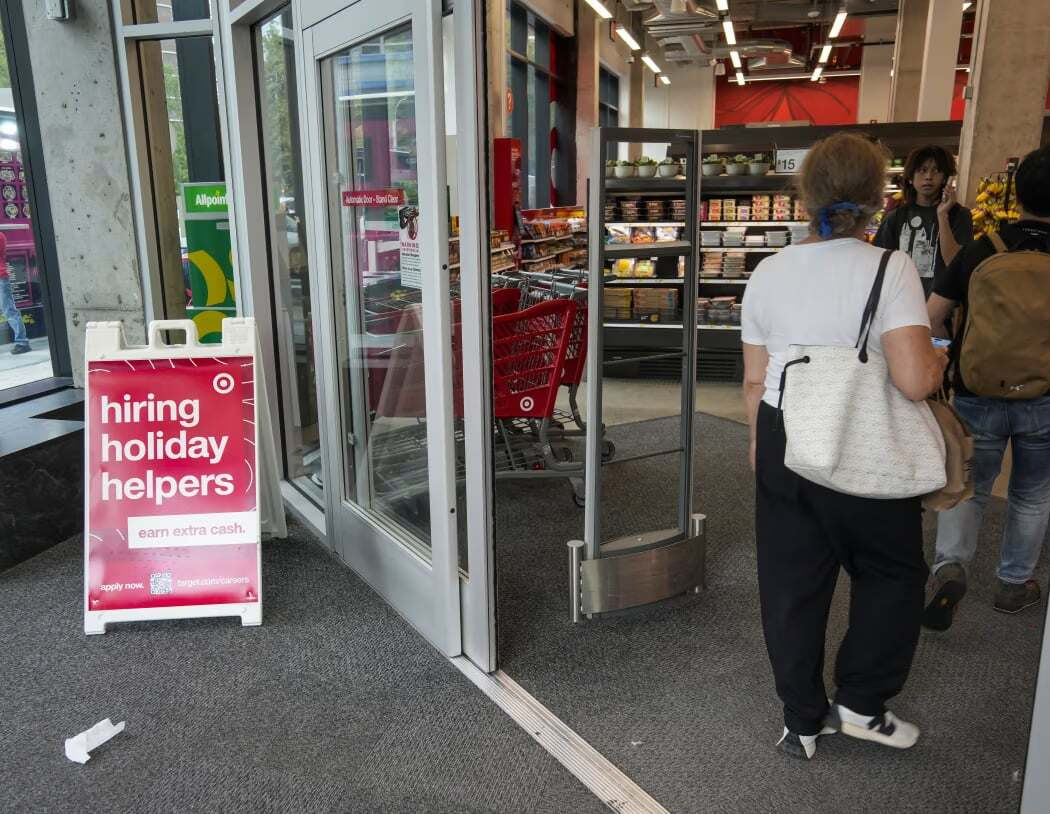
So much for the season of giving—unless we’re talking about pink slips and empty hiring plans.
Big companies like UPS, Target, and Macy’s are going radio silent on how many holiday jobs they’re adding this year… which is code for “don’t count on it.”
Compared to last year, seasonal hiring announcements are down nearly half—the lowest since 2012.
Meanwhile, job seekers are lining up in droves, with applications up 27% but job postings down 15%.
Supply and demand?
More like demand and good luck, pal.
Turns out people aren’t eager to splurge this year—unless you’re a Wall Street guy riding the stock market wave.
The rest of America?
Still getting mugged by inflation and tiptoeing around the shutdown fallout.
Even the food stamp delays are hitting grocers and bakeries hard, and small businesses are hoping retirees will come through clutch with their sweet tooth.
Long story short, if you were hoping a seasonal gig would save your budget—or your Christmas—you might want to ask Santa for a miracle.
ECONOMIC HEADLINES
🧑🏭 Labor hoarding has kept unemployment low despite weak hiring, but with layoffs rising and balance returning to the job market, this protective trend may be ending.
👟 On Holding’s stock surged 18% after beating earnings expectations and proving resilient to tariffs, with booming Asian sales and rising margins signaling strong 2026 potential.
💸 Low-income Americans are increasingly strained by inflation and sluggish wage growth, with 29% living paycheck to paycheck as economic divides deepen.
📉 The K-shaped economy is worsening as affluent Americans continue to thrive while lower-income households face growing debt, stagnant wages, and rising costs.
🧪 Not all rare-earth metals are equal, and with U.S.–China tensions driving policy shifts, investors must understand which elements and companies stand to benefit most.
⚰️ Tax expert Ray Madoff argues the estate tax is effectively dead and should be replaced with an income-based tax on inheritances to combat wealth inequality.
📊 With October jobs and inflation reports possibly lost to the shutdown, Fed rate-cut hopes are dimming, creating uncertainty that may fuel stock market volatility.
📈 Big Tech fatigue is fueling a rotation into cyclical and defensive stocks, helping the Dow near 50,000 as investors seek more stable ground amid rate cut doubts.
🧂 Despite White House doubts, economists expect October economic data will eventually be released, though with gaps that may hinder Fed decision-making.
💵 Treasury Secretary Scott Bessent predicts stablecoins could grow tenfold by 2030, creating major new demand for U.S. debt and reshaping Treasury markets.
Trivia
Which monthly U.S. economic release most often sparks the largest immediate moves in Treasury yields and the dollar?
A. CPI (Consumer Price Index)
B. Nonfarm Payrolls (Employment Situation)
C. Retail Sales
D. PCE Price Index
E. ISM Services PMI
Scroll for the answer
BUSINESS
Companies Hit the Brakes on Hiring Grads as AI and Layoffs Take Over

In case you needed another sign that the economy’s running on duct tape and delusion, companies just announced the Class of 2026 is about to graduate into the worst hiring market in five years.
Yep — AI is now doing the menial work, seasoned professionals are scooping up entry-level jobs out of desperation, and college grads are applying by the hundreds… just to get ghosted.
Corporate America is tightening its belt (again), laying off thousands while “investing in efficiency” — machines don’t ask for healthcare or student loan forgiveness.
With big players like Amazon, UPS, and Verizon all cutting jobs, and hiring projections flatlining, this isn’t just a blip — it’s the new normal.
So while Bidenomics brags about “record job growth,” the actual entry-level market is shrinking faster than a liberal arts major’s bank account.
Maybe it’s time we start encouraging trade schools and actual skills over $100K gender studies degrees.
Answer
Which monthly U.S. economic release most often sparks the largest immediate moves in Treasury yields and the dollar?
B. Nonfarm Payrolls (Employment Situation)
Released typically on the first Friday each month, the jobs report’s headline payrolls and wage surprises quickly reset interest-rate expectations and risk sentiment, making it a frequent catalyst for sharp, instantaneous moves across rates, FX, and equities.