$22B in tariff cash just changed the game

Dear Friend,
Friday brought more than just market jitters—it brought a geopolitical gut punch.
Israel’s strike on Iran sent Dow futures sliding, oil soaring, and everyone sprinting for safe havens like it’s 2008 again.
Just as tech was flexing and the Fed was quietly pleased, global tensions crashed the party.
Meanwhile, Trump’s tariffs are raking in billions (hello, $22.2B in May), Boeing’s comeback hit turbulence with a Dreamliner crash, and the mood across Wall Street?
Cautiously bullish, but definitely watching the headlines like hawks.
Keep reading this edition of the Everlasting Wealth Insider Report for the full picture on what’s driving markets—and what might derail them next.
Jeremy Blossom
Editor in Chief, Everlasting Wealth
MARKETS
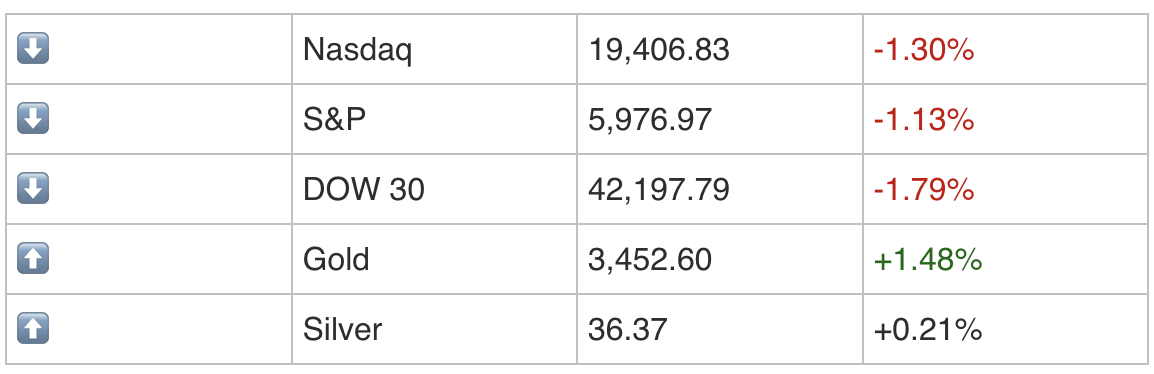
MARKET HEADLINES
🧠 Nvidia stock dipped amid Middle East tensions, but CEO Jensen Huang’s new European AI initiatives and Oracle’s bullish outlook show that investor confidence in AI’s growth story remains strong.
🛢️ Oil prices soared over 7% after Israel’s surprise strike on Iran, sparking fears of supply disruption and boosting shares of oil majors like Exxon and Chevron.
⚡ Tesla shares fell as the company faces uncertainty over future ZEV credit revenue after Trump revoked California’s emissions authority, even as investors eye the June 22 robotaxi launch.
🛡️ Defense stocks like Lockheed Martin and RTX surged as Israel’s attack on Iran raised geopolitical risks, sending gold and oil prices higher while pulling down broader market futures.
💸 Bitcoin and other cryptocurrencies slid while gold gained, reinforcing that digital assets remain volatile and unreliable safe havens in times of geopolitical crisis.
🌍 Israel’s unprecedented strike on Iran’s nuclear sites caused global market turmoil, spiking oil prices and sending stock futures sharply lower as world leaders brace for potential retaliation.
🚀 Circle’s explosive IPO and crypto-friendly moves from the Trump administration are fueling a wave of anticipated listings like Gemini, Kraken, and Consensys in a bullish blockchain market.
📈 The S&P 500 ticked upward on tame inflation data and solid economic signals, suggesting a resilient bull market even amid global uncertainties and trade concerns.
🏪 Walmart, Aflac, and eight others are standout “buyback aristocrats,” combining steady dividends and robust repurchase programs to offer defensive strength amid economic slowdown fears.
🥩 Conagra Brands stock slid after a downgrade by BofA, with analysts warning that surging meat prices and limited pricing power could severely squeeze profits into 2026.
Markets Rattle as Geopolitics and Earnings Collide
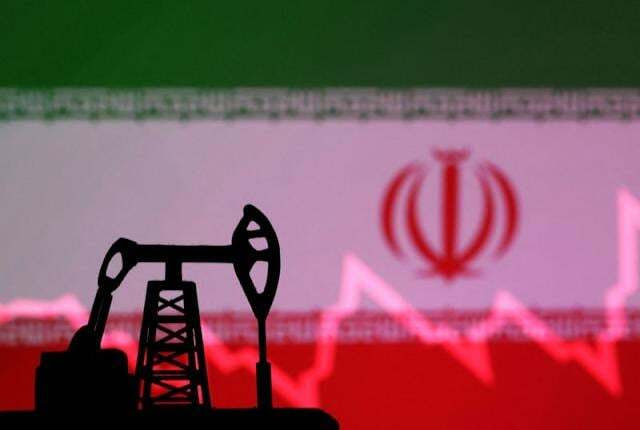
The economy is still running hot, but Friday morning served a stark reminder that geopolitics can turn sentiment on a dime.
Dow futures tumbled over 1% after Israel launched a major airstrike on Iran’s nuclear facilities, triggering fears of a wider conflict.
Crude oil spiked more than 9%, gold rallied, and the safe-haven shuffle began—classic moves when global stability wobbles.
This comes just as the market was inching toward record highs, with tech leading the charge and the Fed watching data like a hawk.
The bigger risk now?
Prolonged Mideast instability could throw a wrench in energy prices, inflation expectations, and consumer confidence just as Trump is pushing new tariffs and Congress is locked in a fiscal food fight.
Bottom line: investors may still be bullish, but global tension just threw cold water on the mood—and portfolios are about to feel the heat.
STOCKS 2 WATCH
↘️ Stellantis (STLA), BMW (XE:BMW), Toyota Motor (TM): Auto manufacturers across Europe and Asia saw their stocks retreat after former President Trump hinted at possible tariff hikes on imported vehicles to boost domestic production.
↗️ Lockheed Martin (LMT), Northrop Grumman (NOC), RTX (RTX): Defense industry stocks surged in premarket trading, driven by news of Israel’s strike on Iran. Lockheed Martin, supplier of Israel’s main combat aircraft, climbed over 4%.
↘️ IAG (UK:IAG), Air France-KLM (FR:AF), United Airlines (UAL): Airline stocks suffered declines globally amid concerns that surging oil prices and geopolitical instability in the Middle East could suppress travel demand and increase fuel costs.
↘️ Boeing (BA): The aerospace company’s stock dropped more than 1% before market open, adding to Thursday’s 4.8% loss. Investigators are focusing on the engines of an Air India 787-8 following a deadly crash.
↗️ Occidental Petroleum (OXY), Diamondback Energy (FANG), ConocoPhillips (COP): Energy stocks rallied in step with oil prices following heightened conflict in the Middle East. Diamondback led the charge, rising over 5% in early trading.
Fact of the Week
On April 20, 2020, amid the COVID-19 pandemic’s global shutdown, U.S. crude oil prices plunged to an unprecedented -$$37.63 per barrel, forcing sellers to pay buyers to take the oil as demand evaporated and storage facilities overflowed—marking the first time in history that oil became worth less than nothing.
ECONOMY
Tariff Revenue Surges as U.S. Rakes in Billions Under New Trade Policy
U.S. tariff collections hit $22.2 billion in May, marking a 42% jump from April and reflecting the impact of President Trump’s expanded trade measures on steel, autos, and goods from key partners like China, Mexico, and Canada.
That’s 6% of all federal revenue for the month—a meaningful slice that underscores the administration’s focus on trade enforcement and revenue generation without raising taxes.
While Chinese imports have dropped to their lowest since 2010, tariffs are still pulling in billions from prior and current duties, including legacy measures from Trump’s first term.
Customs enforcement has ramped up too, with $23 billion in duties recovered through compliance reviews this year alone.
Though some critics question whether tariff revenue alone can address broader fiscal gaps, the policy clearly delivers short-term revenue and strengthens negotiating leverage abroad.
In an era of rising federal spending, these collections offer a powerful tool in the broader economic strategy.
ECONOMIC HEADLINES
🌐 The true U.S.-China trade conflict centers on control over global corporate structures and capital flows, not exports, revealing a deeper struggle over economic models and geopolitical influence.
⚖️ The Supreme Court hinted at protecting Federal Reserve independence, but legal experts warn the fragile ruling leaves the Fed vulnerable to political interference just as its autonomy is most crucial.
🚗 Trump’s rollback of California’s EV mandate could dent Tesla’s emissions credit revenue, but investors are focused on its AI future, especially the upcoming robotaxi launch.
📉 Bonds face a turbulent summer as markets brace for Trump’s early Fed chair pick and new tariffs, with volatility expected from inflation data, rate speculation, and mounting deficits.
💵 The U.S. dollar’s steep decline has traders flocking to protective options, driven by trade tensions, weak economic signals, and declining global confidence in American fiscal leadership.
🔋 China’s six-month cap on rare earth exports, even as trade talks progress, underscores a fragile tariff truce that keeps geopolitical leverage and market uncertainty alive.
📊 Vanguard’s top economist sees rising structural deficits threatening to push bond yields toward 9%, unless AI delivers transformative economic growth to counterbalance long-term fiscal strain.
🛠️ The latest U.S.-China tariff truce unlocks rare earths and eases some controls, but leaves the broader landscape volatile as most tariffs stay, trade talks stretch, and uncertainty reigns.
🇺🇸 GM’s $4 billion U.S. investment to reshore production aligns with Trump’s tariffs and labor goals, signaling a shift in North American manufacturing away from imports.
🪙 Treasury Secretary Scott Bessent sees an opportunity in current trade talks to architect a new Bretton Woods-style financial system that secures long-term dollar dominance and U.S. economic leadership.
Trivia
What is the primary purpose of the Federal Reserve’s Open Market Committee (FOMC)?
A. Collect tax revenue
B. Supervise commercial banks
C. Set long-term interest rates
D. Regulate stock exchanges
E. Manage U.S. monetary policy
Scroll for the answer
BUSINESS
Boeing’s Dreamliner Disaster Sends Stock Tumbling and Recovery Plans Reeling

Boeing’s fragile comeback just hit severe turbulence.
The fatal crash of an Air India 787—the first ever involving the Dreamliner—has not only shattered the jet’s spotless safety record but also shaken investor confidence at a critical juncture.
Shares fell roughly 5% on Thursday, wiping billions off Boeing’s market cap and casting a shadow over CEO Kelly Ortberg’s recovery roadmap.
Just weeks ago, the company had secured FAA approval to boost 787 production, touting improved quality controls and a return to positive cash flow by year’s end.
Now, with U.S. and Indian regulators launching a deep-dive investigation, and whistleblower concerns still lingering, markets are bracing for renewed scrutiny and possible delivery delays.
Boeing had been clawing back from its $12 billion loss in 2024 with a half-trillion-dollar order backlog in hand—but this crash may put both investor sentiment and operational momentum on hold.
For shareholders and analysts alike, the next few weeks could redefine whether Boeing is truly back—or back in crisis.
Answer
What is the primary purpose of the Federal Reserve’s Open Market Committee (FOMC)?
E. Manage U.S. monetary policy
The Federal Open Market Committee (FOMC) is the policymaking arm of the Federal Reserve System responsible for managing U.S. monetary policy.
Its main tools include setting the federal funds rate, conducting open market operations, and influencing money supply and liquidity.
By adjusting interest rates and other monetary levers, the FOMC seeks to promote maximum employment, stable prices, and moderate long-term interest rates.
Its decisions are closely followed by markets, as they directly affect borrowing costs, investment activity, and economic growth.