Inflation softens, risk appetite returns

Dear Friend,
Wall Street’s in a surprisingly good mood—and no, it’s not just the caffeine.
Trump slammed the brakes on his EU tariff tantrum (for now), sparking a 700-point rally in the Dow and putting some pep back in the S&P and Nasdaq.
Meanwhile, consumer confidence finally crawled out of the basement, Treasury yields dipped, and Japan stopped dumping bonds like they were going out of style.
Inflation? Barely moving. The Fed’s favorite stat rose just 0.1%, which means we’re flirting with that magical 2% target again.
And just when you thought things couldn’t get weirder, Elon Musk bailed on his government gig and dove back into tech like a man who missed his electric cars and rocket ships.
Keep reading this edition of the Everlasting Wealth Insider Report to find out if this market euphoria has legs—or if it’s just another sugar high.
Jeremy Blossom
Editor in Chief, Everlasting Wealth
MARKETS
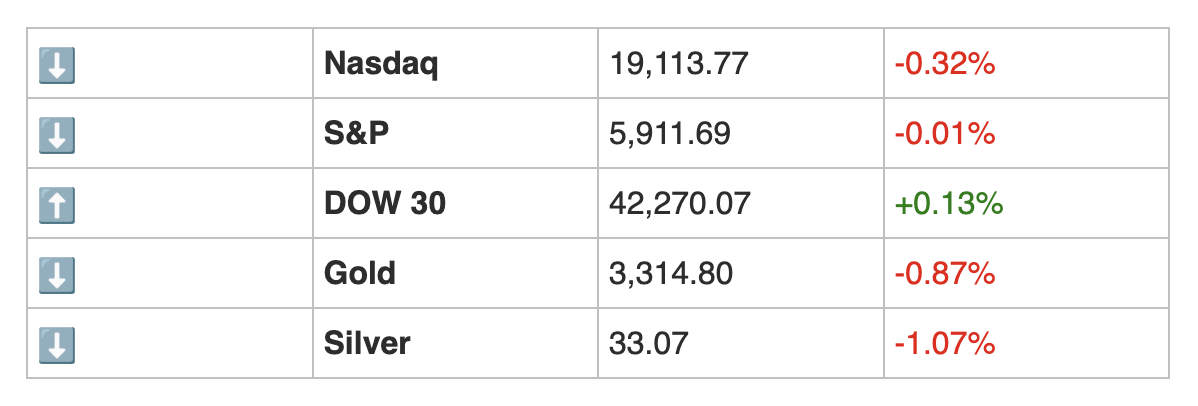
MARKET HEADLINES
💻 Dell posted strong revenue and bullish AI-driven guidance, but its stock barely moved as investors shrugged off the excitement.
🚕 Despite weak global car sales, Tesla surged 27% in May as investors focused on its upcoming robotaxi launch and AI ambitions.
🧠 Nvidia briefly surpassed Microsoft in market cap after strong earnings and booming AI chip demand, but fell just short of staying on top.
🛡️ Zscaler defied the broader cybersecurity slump with strong earnings and upbeat guidance, sending its stock higher amid sectorwide struggles.
🤖 UiPath stock jumped on an earnings beat and raised guidance, but analysts remain cautious due to early-stage agentic AI uncertainty and macro risks.
📉 Trump faces legal and political pressure over tariffs and Musk’s White House departure, but markets see a chance for more stability and strategic policymaking ahead.
☁️ CoreWeave’s AI-focused cloud stock has skyrocketed despite deep cash burn and valuation concerns, leaving analysts puzzled by its meteoric rise.
🚫 Synopsys and Cadence stocks fell after confirming U.S. export bans on tech to China, highlighting escalating tensions in the AI race with Beijing.
🛒 Costco beat earnings expectations and remains a tariff-resilient retail favorite, but its stock dipped slightly due to cautious margin outlooks.
🚗 Li Auto missed earnings estimates amid pricing pressure in China’s EV market, yet its stock rose on stronger-than-expected sales and upbeat delivery forecasts.
Trump Hits the Snooze Button on Tariffs—Markets Break Out the Champagne
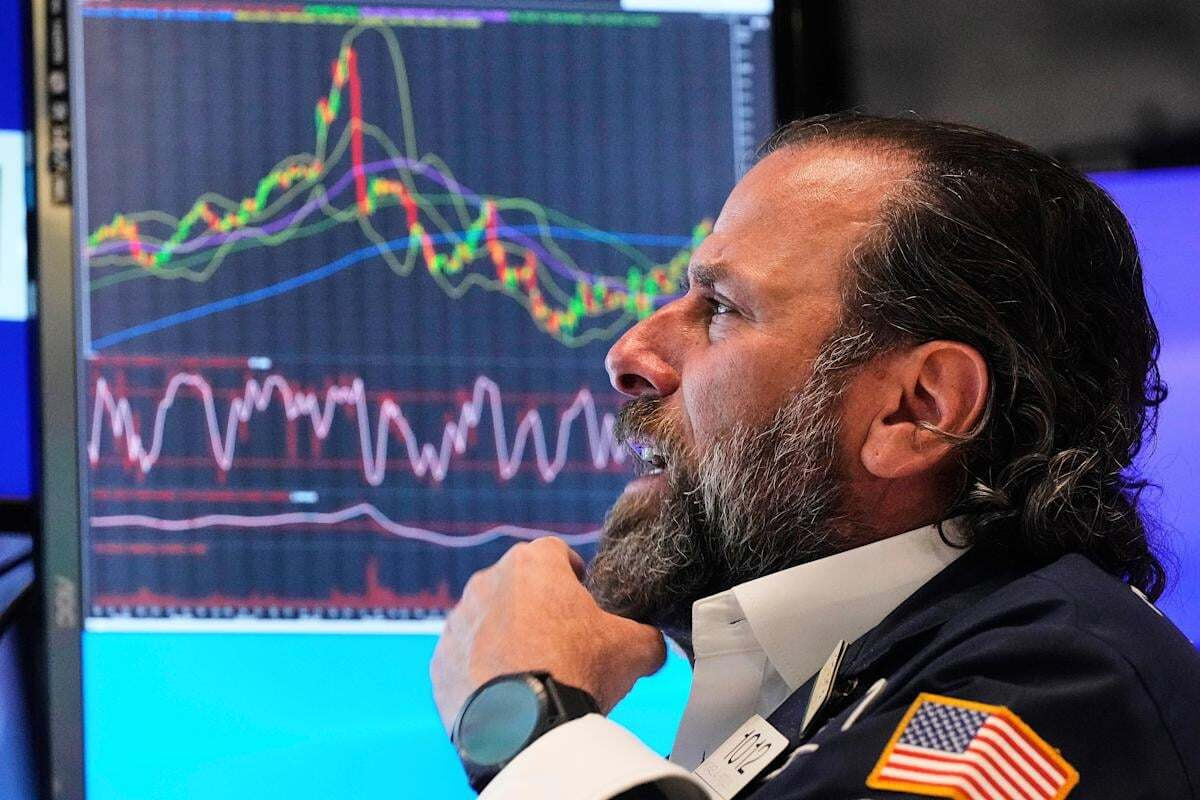
Wall Street just had a field day after Trump decided to hit “pause” on his 50% EU tariff tantrum, buying time for fast-tracked trade talks.
Apparently, delaying economic chaos is bullish now—go figure. The Dow soared over 700 points, the S&P 500 jumped 2.1%, and the Nasdaq took the lead, rising 2.5%.
Looks like the market just needed a break from the trade war soap opera to catch its breath.
Investors also got a morale boost from rising consumer confidence, which finally ticked up after five straight months of doom and gloom.
A dip in Treasury yields and Japan backing off their bond dumping didn’t hurt either. In the background, Trump’s tax bill is still lurching along, and the Fed’s expected to keep rates on cruise control—because why rock the boat when Wall Street’s actually smiling for once?
Oh, and Nvidia’s riding high again with a China-friendly chip, just in time to drop earnings this week.
If this keeps up, someone might even say the market’s… hopeful. (Let’s not get carried away.)
STOCKS 2 WATCH
↘️ American Eagle Outfitters: The apparel retailer’s shares took a hit in after-hours trading after it posted a quarterly loss and scrapped its annual forecast.
↘️ Sanofi and Regeneron: Both companies saw their stocks slide—Sanofi dropped 6% in Paris while Regeneron fell over 12% in U.S. premarket—after their late-stage trial for a lung disease drug produced mixed outcomes.
↘️ Gap: Shares in the fashion brand tumbled 15% before the bell, following its outlook for stagnant sales and projected tariff costs reaching $150 million, even after cost-cutting efforts.
↘️ Marvell: Despite reporting a return to profitability and a revenue increase powered by AI demand, Marvell shares dropped more than 3% ahead of the market open.
🔎 Costco: The membership-based retailer delivered stronger earnings and introduced new strategies to cushion the blow from potential tariff hikes.
↗️ Dell: Boosted by raised profit projections, shares of the PC and software company rose around 2% in premarket trading.
Fact of the Week
Wall Street once ran on pigeons: Before the invention of the telegraph, carrier pigeons were the fastest way to transmit financial information between cities. In the early 1800s, traders used flocks of trained pigeons to deliver stock prices between New York and Philadelphia—beating horse couriers by hours. One savvy investor even made a fortune by using pigeons to learn of Napoleon’s defeat at Waterloo before the news officially reached London, giving him a massive trading advantage.
ECONOMY
Inflation Tiptoes Down, and the Fed’s Doing a Victory Lap (Quietly)

Looks like inflation finally decided to calm down—just a little.
The Fed’s favorite pet stat, the PCE price index, rose a whopping 0.1% in April.
That nudged the 12-month rate down to 2.1%, putting it just a hair above their golden 2% target.
Cue the cautious optimism and the Fed officials trying not to look too smug. Core inflation—which conveniently ignores pesky things like food and gas—also rose just 0.1%, with the annual rate dropping to 2.5%.
Not exactly fireworks, but after two years of economic heartburn, it’s progress. Slowly but surely, that post-COVID inflation beast is crawling back into its cave.
Meanwhile, Americans didn’t go wild with spending (up just 0.2%), but income actually jumped 0.8%.
Translation: folks are earning more, spending less, and not getting gouged quite as hard at the juice aisle.
For now, the Fed can stay put and pretend this was all part of the master plan. Let’s just hope the economy doesn’t get any bright ideas about overheating again.
ECONOMIC HEADLINES
🇨🇳 Trump accuses China of breaking their new trade agreement, escalating tensions just as courts challenge his authority to impose sweeping tariffs, creating major uncertainty for global trade negotiations.
💰 As U.S. inflation cools but GDP contracts slightly, analysts recommend dividend-growing companies, which have historically outperformed during slow-growth, stable-inflation periods.
⚖️ A federal appeals court allows Trump’s tariffs to stay in effect for now, despite a trade court ruling them illegal, creating a temporary status quo while legal challenges continue.
🛢️ Trump’s long-stalled natural gas pipelines into the Northeast are getting renewed attention with federal support, but face opposition from state regulators and environmental groups.
💻 HP’s stock plunged after it slashed its financial outlook, citing rising supply chain costs due to tariffs and uncertainty that’s prompting production shifts outside China.
📈 Despite chaotic tariff rollouts and legal setbacks for Trump’s trade policy, stock markets rebounded in May, with tech and AI optimism offsetting lingering investor concerns.
🧩 Semiconductor stocks briefly surged after a court halted new tariffs, but enthusiasm faded as the industry faces possible targeted levies under ongoing national security reviews.
🎓 The U.S. decision to revoke Chinese student visas over national security concerns is drawing backlash for harming universities, innovation, and diplomatic relations with China.
🏠 Trump’s vague comments about taking Fannie Mae and Freddie Mac “public” caused stock declines, as investors remain confused about the administration’s real plans for the mortgage giants.
🤝 Fed Chair Powell met with Trump to discuss economic trends, reiterating the Fed’s independence while Trump continued pushing for rate cuts to compete globally.
Trivia
Which U.S. economic indicator is most closely watched for signs of inflation trends and Federal Reserve policy decisions?
A. Gross Domestic Product (GDP)
B. Consumer Confidence Index
C. Producer Price Index (PPI)
D. Consumer Price Index (CPI)
E. Unemployment Rate
Scroll for the answer
BUSINESS
Elon Bails on Bureaucracy, Crawls Back to His Empire—and Wall Street Swoons
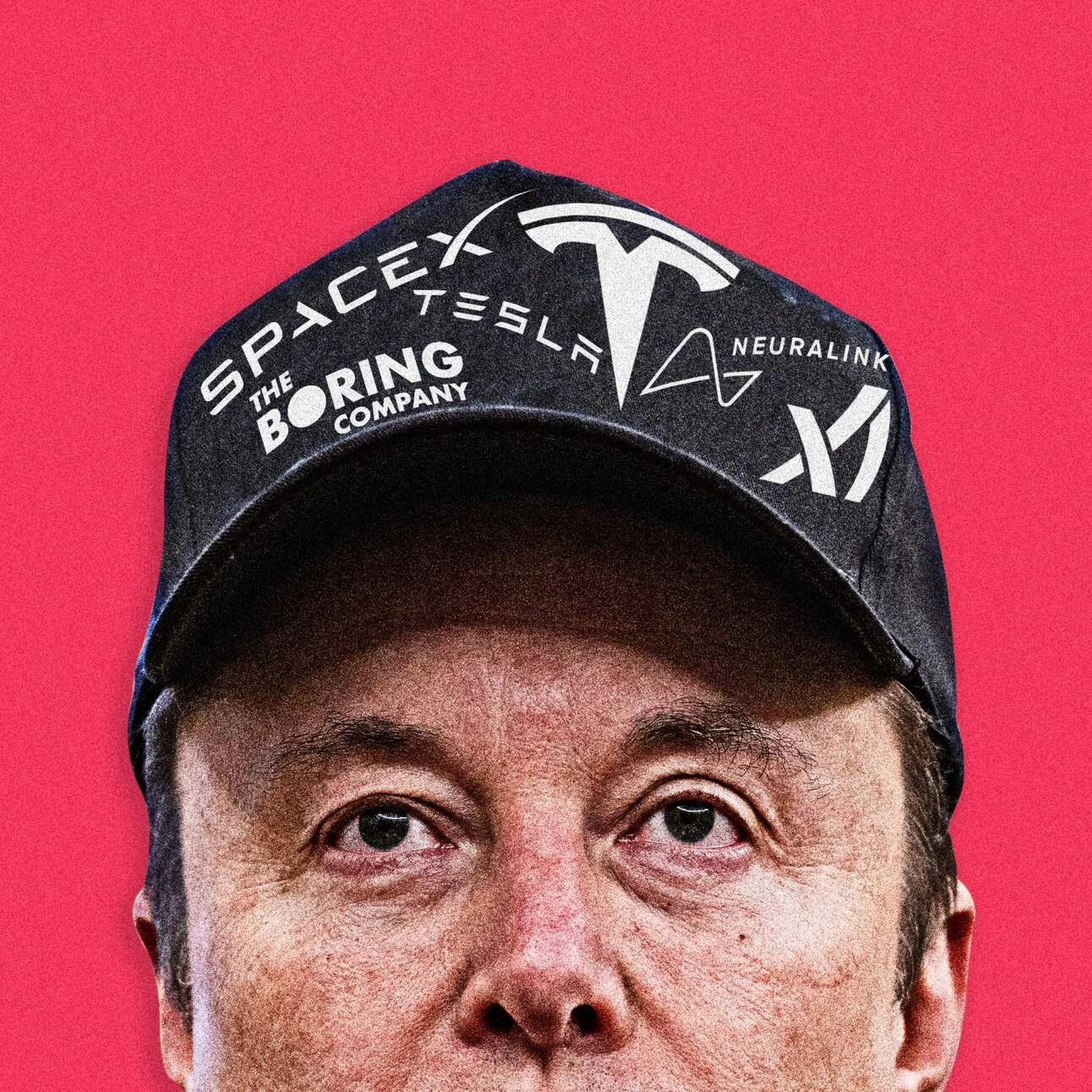
Elon Musk has officially ditched his brief stint in government—where he tried (and mostly failed) to slash $2 trillion in federal spending—and is back to sleeping in conference rooms at Tesla, SpaceX, and xAI like the good ol’ days.
Investors are thrilled, with Tesla’s stock bouncing back above $1 trillion after tanking during his political detour.
While Tesla grapples with falling sales and shrinking market share (especially in Europe, where not everyone loves a Trump ally), Musk is now laser-focused on launching robotaxis, building rockets to Mars, and beating everyone to digital superintelligence.
Meanwhile, his other companies—Neuralink, The Boring Company, and Starlink—are chugging along with minimal Elon micromanagement.
The big question now: will his return spark a tech renaissance or just another Elon sideshow? Either way, the circus is back in town.
Answer
Which U.S. economic indicator is most closely watched for signs of inflation trends and Federal Reserve policy decisions?
D. Consumer Price Index (CPI)
The Consumer Price Index (CPI) measures the average change over time in the prices paid by urban consumers for a market basket of goods and services.
It is one of the most closely monitored indicators for inflation and plays a crucial role in guiding Federal Reserve policy decisions.
While other indicators like the PPI and GDP are important, the CPI directly reflects the cost-of-living increases faced by consumers.
Changes in CPI can influence interest rate decisions, social security adjustments, and wage negotiations.