
Dear Friend,
Well, Wall Street just hit the AI pipe hard—and now it’s floating somewhere above the Nasdaq.
Meta and Microsoft dropped earnings reports so packed with AI buzzwords, you’d think ChatGPT was their new CFO.
Meta’s tossing around $72B like it’s Monopoly money, and Microsoft’s blowing $80B on AI cloud like it’s the dot-com boom all over again.
Meanwhile, Cigna pulled off the corporate version of a glow-up, turning a $300M loss into a $1.3B Q1 flex.
And don’t let the 0.3% GDP dip fool you—the economy might just be playing possum.
Keep reading this edition of the Everlasting Wealth Insider Report for the rest of this week’s market resurrection saga.
Jeremy Blossom
Editor in Chief, Everlasting Wealth
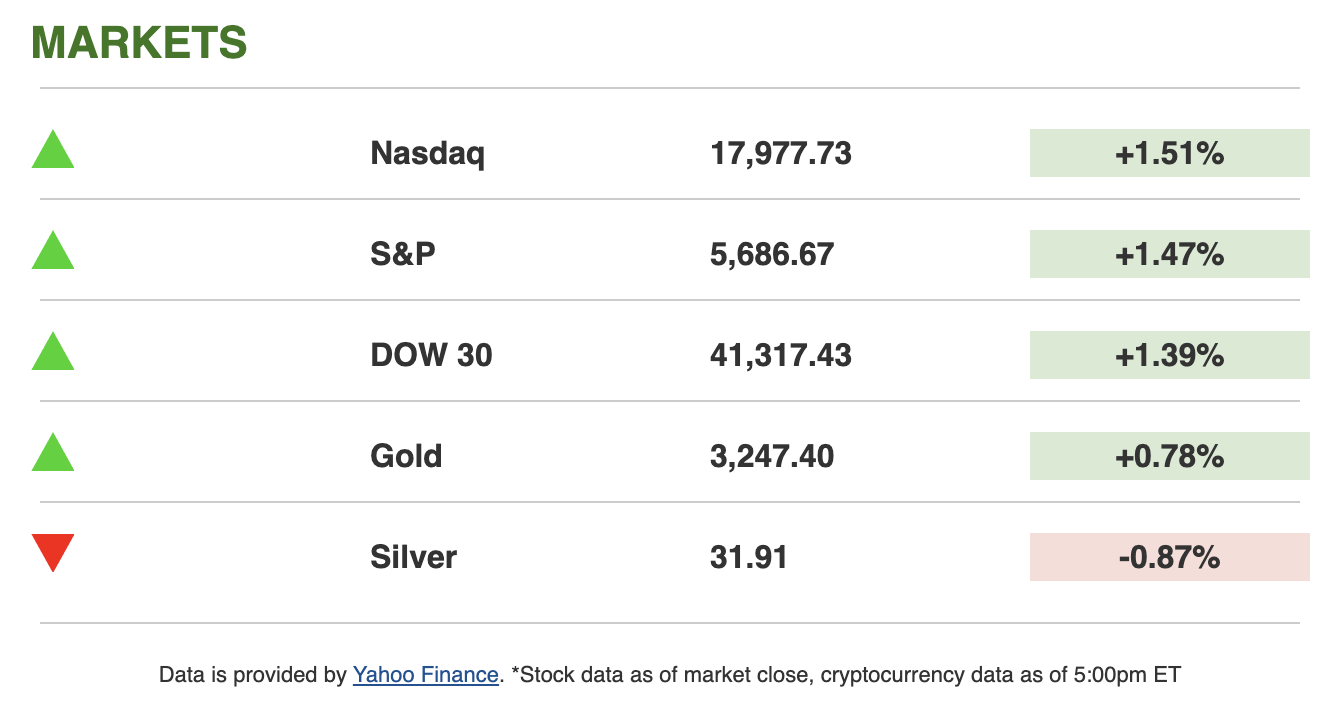
MARKET HEADLINES
🛢️ Exxon Mobil beat earnings expectations despite falling oil prices, boosting its stock as it continues aggressive buybacks and production plans amid market pressure.
📉 Chevron exceeded profit forecasts but saw its stock decline due to revenue missing expectations and investor concerns over potential buyback cutbacks.
🤖 Nvidia stock rose after Amazon confirmed continued massive AI infrastructure spending, signaling strong demand for Nvidia’s chips despite Amazon’s push into custom silicon.
🚖 Tesla shares climbed as it prepares to launch its long-awaited robotaxi service in June, with analysts viewing Waymo’s competition as validation of the market’s potential.
💰 Shell stock surged after earnings topped forecasts and it upheld its buyback program, contrasting with BP’s cuts and proving resilience amid low oil prices.
📦 Amazon posted strong earnings and revenue, but its stock fell due to a slight miss in AWS cloud sales and concerns over tariff-related headwinds.
⚡ XPeng reported a 273% surge in April deliveries, underscoring the rapid growth of Chinese EV sales and the intensifying competition Tesla faces in China.
🔧 Quanta Services stock jumped nearly 10% after smashing earnings forecasts and raising full-year guidance, buoyed by energy infrastructure demand despite tariff uncertainty.
🚀 Microsoft delivered its strongest earnings jump since 2015, driven by booming AI-powered cloud growth, sending its stock soaring and analysts backtracking on downgrades.
🌐 Vertiv and other growth stocks surged as Microsoft and Meta’s stellar earnings affirmed continued investment in AI and datacenters, fueling optimism across the tech sector.
Zuck and Nadella Save the Market While AI Eats the World

Well, it looks like Meta and Microsoft just pulled a full Lazarus move on the Nasdaq.
After Trump’s big, bold “Liberation Day” tariff chest-thump on April 2 tanked tech stocks harder than a Biden speech at a gun show, we’re back, baby! Microsoft and Meta both dropped earnings reports loaded with AI buzzwords and sky-high spending promises.
Meta’s throwing around $72 billion like it’s pocket change, and Microsoft’s out here burning $80 billion on cloud AI like it’s going out of style.
AI stocks like Nvidia and Arista basically caught fire—Nvidia alone jumped 5% like it saw ChatGPT in a mirror.
Wall Street’s foaming at the mouth, and even the Dow managed to wipe the sleep out of its eyes.
Turns out when Big Tech yells “AI,” the market jumps like it’s got a Red Bull IV.
Guess tariffs are just the appetizer—AI’s the main course now, and it’s eating everything, including your job security.
STOCKS TO WATCH
↘️ Block (XYZ): The Cash App and Square owner slashed its full-year forecast after noting a consumer spending slowdown on non-essentials, sending shares down 20% in premarket trading.
↘️ Airbnb (ABNB): Despite rising revenue, the company warned of softer booking growth due to economic pressure in the U.S., leading to a 4% dip in early trades.
↘️ Apple (AAPL): Even with stronger iPhone sales and the launch of the 16e model, shares slipped nearly 3% after the company projected $900 million in added tariff-related costs.
↘️ Amazon (AMZN): Strong earnings weren’t enough to lift the stock, as its cautious outlook—clouded by looming levies—dragged shares down 2% before market open.
↘️ Chevron (CVX) & Exxon Mobil (XOM): Both energy majors missed expectations, reporting lower earnings due to slimmer refining margins and weaker oil prices, weighing on shares.
🔎 Instacart (CART): The delivery platform, officially Maplebear, posted solid sales but saw a dip in profits, prompting a mixed reaction from investors.
↗️ Shell (SHEL): Shares rose 2% in London after the energy giant beat earnings expectations and announced a $3.5 billion stock buyback program.
This Day in the Markets
📉 On this day in 2000, the Nasdaq plummeted 7.9%, one of its worst single-day losses, as panic selling gripped investors during the dot-com crash. Overhyped tech companies with little or no earnings saw valuations collapse, leading to trillions in lost market value and signaling the brutal unwinding of the 1990s internet stock frenzy.
ECONOMY
Forget the GDP – It’s the Jobs, Stupid
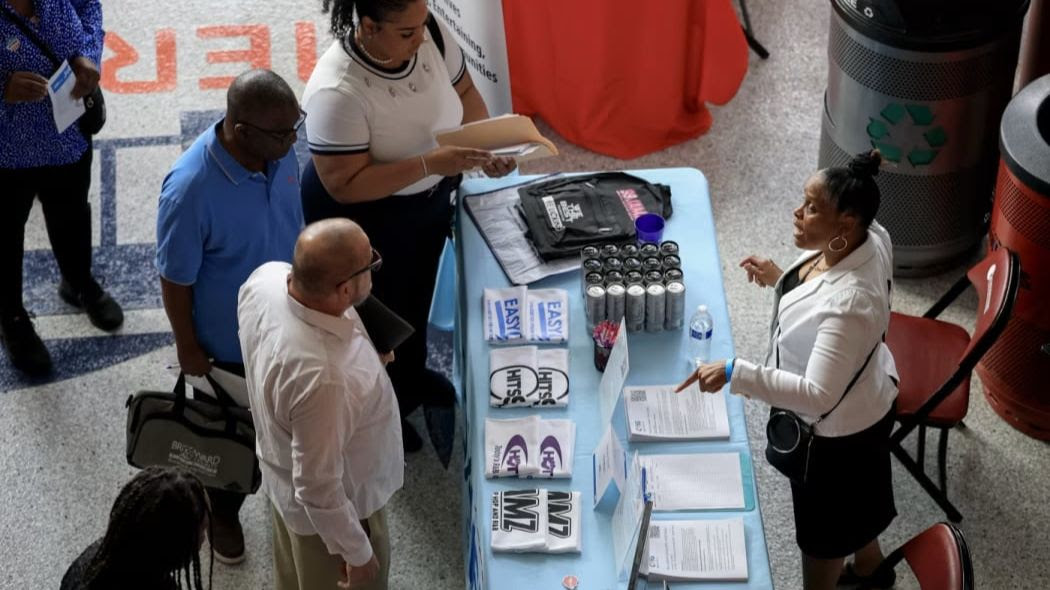
Apparently, the 0.3% dip in GDP last quarter is just a “statistical quirk”—kind of like how Hunter’s laptop was “Russian disinfo,” right?
Anyway, the real show is Friday’s jobs report, which’ll be the first solid read on how Trump’s tariffs, federal cuts, and immigration crackdown are actually hitting the economy.
Spoiler alert: probably not much…yet.
Despite all the media bed-wetting, businesses are barely changing prices, and layoffs haven’t really kicked in—unless you’re a federal employee in Elon Musk’s new Department of Government Efficiency (yes, that’s a thing).
Imports spiked because companies raced to beat tariffs, but the GDP number still looked worse thanks to some funky math and missing drug shipments (no, not that kind).
Jobs growth in March was solid, and consumer spending actually picked up steam—turns out Americans still love shopping more than they fear economic doom.
Bottom line? The sky ain’t falling—unless you’re watching CNN, in which case it’s already buried you in rubble.
ECONOMY HEADLINES
🤝 China signals openness to U.S. trade talks, raising market optimism as it demands Washington show sincerity by canceling high tariffs.
📉 Investors face a new era of lower returns, with experts urging a shift toward income-generating assets like REITs, BDCs, and utilities amid rising uncertainty and stubborn inflation.
🇺🇸 Ford promotes its American manufacturing credentials at its Kentucky Truck Plant to win favor in a tariff-heavy political environment and support its newly launched Expedition SUV.
🌏 China hints at trade negotiation willingness while the U.S. strikes a Ukraine minerals deal, as business groups plead for tariff relief to avoid economic damage.
📜 Citadel and Wall Street firms flood the SEC with requests, aiming to shape market rules in their favor as the new administration reopens regulatory doors.
🏭 A bipartisan bill proposes doubling SBA loan limits to help small manufacturers and reignite U.S. industrial growth under the banner of “Made in America.”
📊 Jobless claims jumped unexpectedly due to school-related seasonal effects, though analysts caution against reading it as a sign of widespread labor market distress—yet.
💸 Ford’s high-yield dividend may be at risk as tariff costs bite into cash flow, prompting analysts to warn of future cuts despite recent policy relief.
📈 Microsoft and Meta earnings fuel a market rally, but investors remain wary of tariff-driven economic softness and await trade progress for sustained confidence.
⚖️ Apple faces potential criminal contempt charges for allegedly undermining a court order to enable alternative in-app payments, risking a chunk of its U.S. App Store revenue.
Trivia
Which U.S. company became the world’s most valuable automaker in 2020, signaling a shift toward electric vehicles and investor optimism in clean tech?
A. Ford
B. General Motors
C. Toyota
D. Tesla
E. Honda
Scroll for the answer
BUSINESS
Cigna Goes from Flatline to Payday
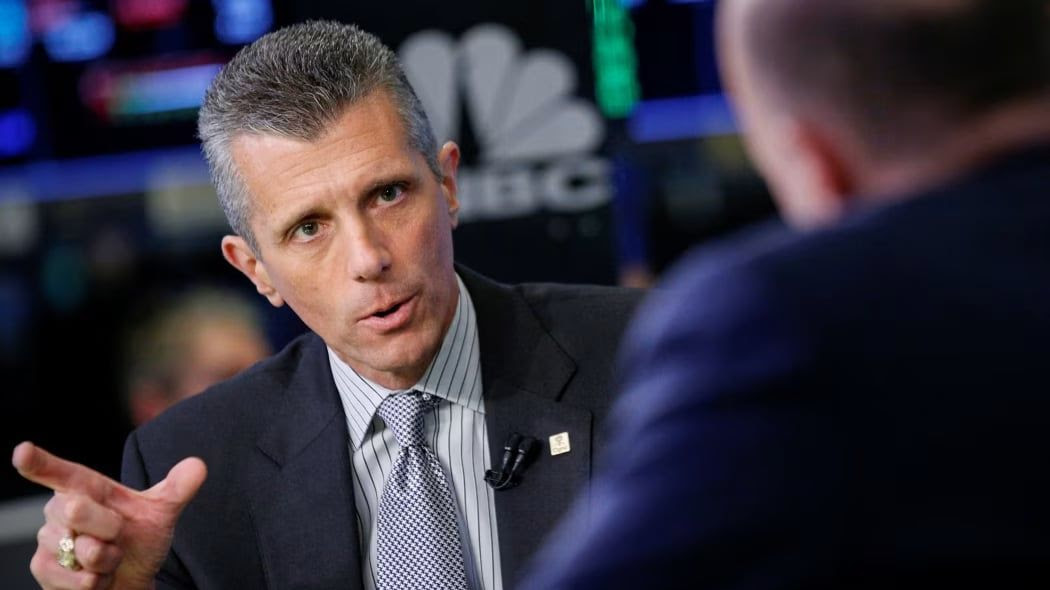
Well, well, look who’s back from the financial dead—Cigna just went from losing nearly $300 million last year to raking in $1.32 billion in Q1.
That’s $4.85 a share in profit, compared to last year’s embarrassing 97-cent loss.
And they didn’t just beat earnings—they body-slammed expectations with $6.74 per share when analysts were only hoping for $6.35.
Revenue? Up 14% to a cool $65.5 billion, because apparently keeping existing clients happy is cheaper than chasing new ones—who knew?
Even their Evernorth Health Services division is printing money, with pharmacy-benefit services alone pulling in nearly $30 billion.
They’ve upped their full-year forecast too, now shooting for at least $29.60 a share.
So yeah, while Bidenflation keeps wrecking your grocery bill, at least the suits at Cigna are sleeping fine.
Nothing says “healthy” like a billion-dollar quarter in the healthcare biz.
Answer
Which U.S. company became the world’s most valuable automaker in 2020, signaling a shift toward electric vehicles and investor optimism in clean tech?
D. Tesla
In July 2020, Tesla surpassed Toyota in market capitalization, becoming the most valuable automaker globally.
This milestone reflected investor confidence in the future of electric vehicles and Tesla’s rapid growth in production capacity, delivery numbers, and profitability.
Unlike traditional automakers, Tesla positioned itself not just as a car manufacturer but as a tech and energy company, benefiting from the growing ESG (Environmental, Social, and Governance) investment trend.
Its soaring stock price during the COVID-19 pandemic also signaled a shift in market sentiment toward innovation and sustainability in the automotive industry.