
Dear Friend,
Trump’s tariffs may have rattled headlines, but on Wall Street, they’re ringing up record profits. Trading desks at Goldman, JPMorgan, and Morgan Stanley just hauled in over $12 billion as investors scramble to adjust to the new rules of the game.
Volatility? Sure. But for the big banks, it’s more like bonus season.
Global leaders are holding their fire—for now—as they weigh the risks of retaliating.
Meanwhile, Tesla’s facing headwinds after a rough Q1, but with a robotaxi rollout and a cheaper model on deck, the story’s far from over.
Let’s dive into this edition of the Everlasting Wealth Insider Report.
Jeremy Blossom
Editor in Chief, Everlasting Wealth
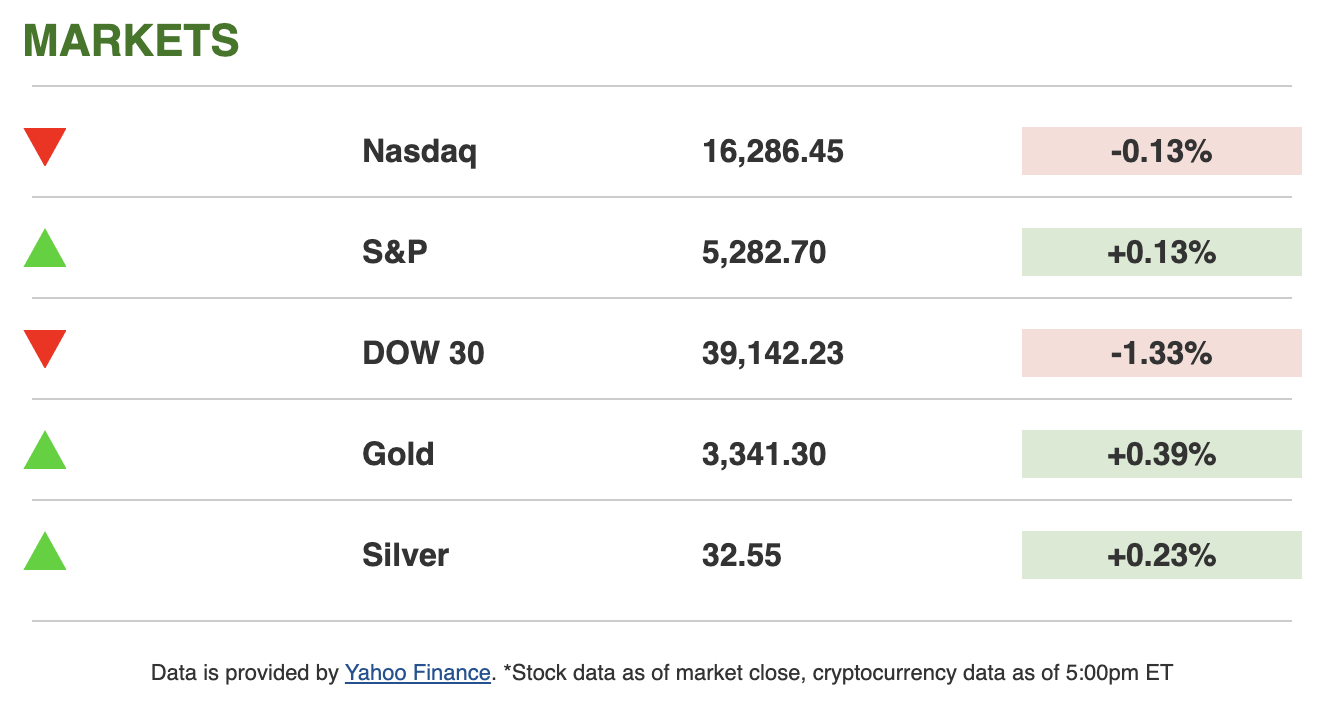
MARKET HEADLINES
🚗 Tesla stock continues its downward slide amid trade war concerns and falling sales, prompting analysts to warn Wall Street is overly optimistic about a second-quarter rebound.
📈 Big banks like Morgan Stanley are thriving off a trading boom fueled by market volatility, but analysts question how long the momentum can last.
📉 Jerome Powell faces mounting pressure as unpredictable trade policies and inflation fears roil markets and erode investor confidence in traditional safe havens.
🏛️ University endowments are under siege from the Trump administration through funding freezes and proposed tax hikes, posing existential threats to elite schools like Harvard.
💊 UnitedHealth’s steep stock drop rattled the healthcare sector, but strong performances from companies like Eli Lilly helped limit the damage.
🛡️ Insurance broker stocks are outperforming in a shaky economy, with firms like Arthur J. Gallagher and Ryan Specialty proving resilient due to steady demand and acquisition growth.
🧲 The U.S. rare earth crisis highlights valid concerns about Chinese dominance, but experts argue tariffs alone are a flawed solution to securing critical mineral supplies.
⚠️ ‘Quality’ stocks like UnitedHealth are no longer immune to sharp declines, as high valuations and earnings misses expose vulnerabilities in even the most reliable names.
💥 Eli Lilly’s stock skyrocketed after its weight-loss pill cleared a key trial, intensifying its rivalry with Novo Nordisk and positioning it for global market expansion.
👜 Hermès and other luxury brands are raising prices to absorb new tariffs, but must tread carefully to avoid alienating customers amid fragile demand.
Trump’s Tariffs Stir Chaos—Wall Street Cashes In

Turns out Trump’s tariff shockwaves are a goldmine for Wall Street trading desks.
While the media wrings its hands over market volatility, banks like Goldman, JPMorgan, and Morgan Stanley are thriving—racking up over $12 billion in trading revenue as investors scramble to adjust to every twist in Trump’s America First trade agenda.
This isn’t panic; it’s profit. Goldman just posted its best-ever quarter in equities trading, up 27%, and JPMorgan smashed records with a 48% surge.
Trump’s “Liberation Day” may have spooked the market, but for banks, it was like ringing the opening bell on a bonus round.
Hedge funds are hustling, derivative volumes are spiking, and international bets are rising as portfolios rebalance in real-time.
Sure, bankers admit too much chaos might make clients hesitate—but right now, the only thing Wall Street sees is opportunity.
Say what you will about Trump’s bold strategy, but one thing’s clear: it’s keeping the financial engines roaring.
STOCKS TO WATCH
↘️ Alcoa (AA): The aluminum producer’s stock dropped 7% Thursday after revealing it faced $20 million in tariff-related costs last quarter—an amount expected to balloon to $90 million in the current period. Alcoa also noted that ramping up U.S. production quickly isn’t feasible.
↗️ Eli Lilly (LLY): Shares of the drugmaker surged 15% after its GLP-1 weight-loss pill met trial targets, helping diabetics reduce blood sugar. Rival Novo Nordisk felt the heat, with its shares sliding in response.
↘️ Nvidia (NVDA) & Advanced Micro Devices (AMD): Both chipmakers continued to feel pressure after export restrictions were announced. Nvidia dropped about 3%, while AMD edged slightly lower.
↘️ Intel (INTC): Shares slipped 1.6% after TSMC’s chairman dismissed speculation that the Taiwanese chip foundry would join any restructuring effort involving Intel.
🔎 Netflix (NFLX): The streaming giant reported a record quarterly profit late Thursday, saying it has so far avoided the brunt of tariff-driven economic fears. Shares rallied in after-hours trading.
🔎 American Express (AXP): The credit-card titan beat earnings expectations and noted that customer spending remained resilient despite macroeconomic uncertainty.
This Day in the Markets
🛢️ On this day in 2020, U.S. oil markets experienced an unprecedented collapse as West Texas Intermediate (WTI) crude futures for May delivery plunged to –$37.63 per barrel, the first time oil traded below zero in history; the historic crash was driven by a perfect storm of evaporating global demand due to COVID-19 lockdowns, a supply glut exacerbated by an earlier price war between Saudi Arabia and Russia, and rapidly shrinking storage capacity, forcing traders to pay buyers to take delivery off their hands.
ECONOMY
Why the World’s Treading Lightly Around Trump’s Trade Tsunami
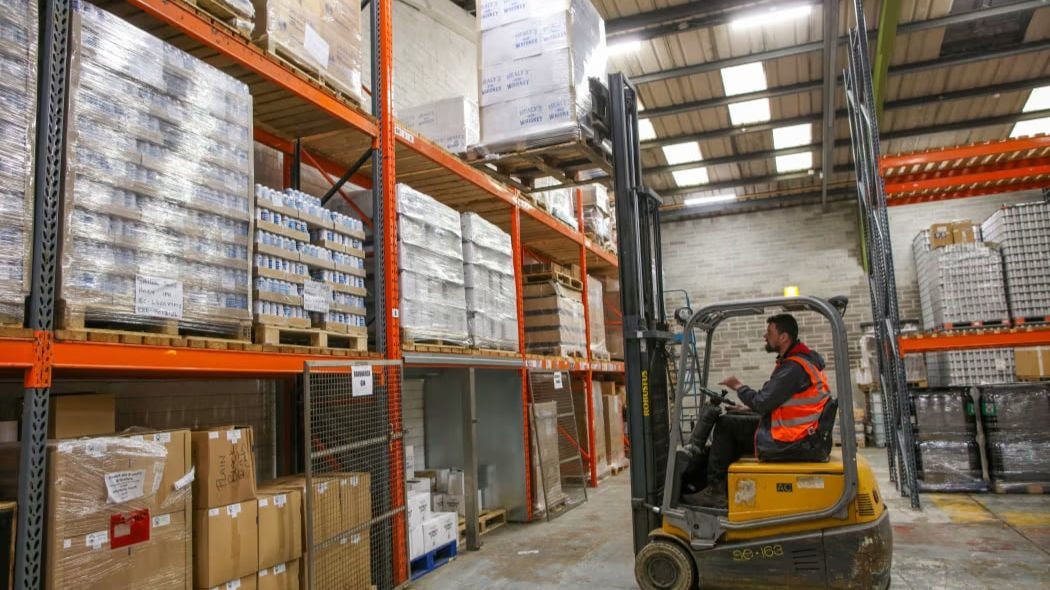
While Trump’s tariffs are shaking up global trade, most world leaders are choosing not to fire back just yet—and not because they’re scared, but because they know a full-on trade brawl could leave everyone bleeding.
Trump threw the first punch with sweeping tariffs, but then smartly paused some after markets had a meltdown, giving countries like the EU and UK time to decide: retaliate and risk more damage, or play it cool and negotiate?
China went toe-to-toe and is now neck-deep in a costly trade war.
Meanwhile, others are holding back, knowing that hitting back too hard means shooting themselves in the foot.
Trump’s made it clear—if they hit us, he’ll hit harder.
Countries like Canada and the EU have their retaliatory lists ready (yes, peanut butter and motorcycles made the cut), but they’re calculating every move to avoid real harm.
Economists agree: retaliation makes for great headlines, but lousy economics.
Still, if talks stall, expect Europe to take the gloves off, especially in services where the U.S. has the upper hand.
For now, the world’s taking Trump seriously—and carefully—because in this new trade order, it’s his rules or the highway.
ECONOMY HEADLINES
⚖️ California is suing the Trump administration over sweeping tariffs, arguing they are unconstitutional and already hurting the state’s $4 trillion economy.
📉 Trump slammed Fed Chair Jerome Powell for delaying rate cuts amid rising political pressure, despite legal protections for Fed independence and inflation still exceeding targets.
🧾 The Trump administration is crowdsourcing public input on which federal regulations to repeal, signaling a bold push to shrink government oversight and compliance burdens.
🏡 Mortgage rates saw their biggest jump in a year, pushing more buyers toward adjustable-rate loans and prompting sellers to cut prices as affordability strains grow.
✈️ A sharp decline in international tourism to the U.S. is reducing gasoline demand and hurting oil prices, with analysts blaming trade tensions and negative sentiment.
🇪🇺 The European Central Bank cut rates for the seventh time amid trade war risks, fueling Trump’s criticism of Powell’s more cautious stance at the Fed.
💻 AMD, Broadcom, and Micron stocks fell as new chip export restrictions to China intensified fears of prolonged fallout from the tech-centered trade war.
🔨 D.R. Horton lowered full-year guidance due to cautious homebuyers and rising rates, but resilient profit margins offered a silver lining for investors.
📉 Trump may pursue delisting major Chinese stocks from U.S. exchanges, raising fears of forced liquidations and deepening the financial rift with Beijing.
🧨 Markets are bracing for economic damage from tariffs, but Powell signaled no immediate rescue from the Fed, heightening fears of stagflation and slower growth.
Trivia
As of April 2025, which of the following is the largest U.S. export category by value?
A. Civilian aircraft parts
B. Crude petroleum
C. Refined petroleum
D. Automobiles
E. Integrated circuits
Scroll for the answer
BUSINESS
Tesla Hits the Skids as Wall Street Worries Pile Up
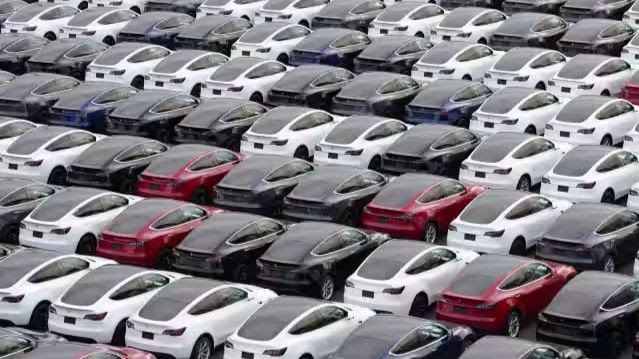
Tesla just took another hit—Barclays cut its price target on the stock again, lowering expectations to reflect mounting challenges in the electric vehicle space.
That’s not exactly a shocker, especially after Tesla’s Q1 deliveries dropped 13% year-over-year—the worst quarterly decline the company’s seen.
They fell about 40,000 cars short of what Wall Street had hoped for.
Some are blaming Elon Musk’s political visibility, others point to the Model Y update.
Then there’s the tariff situation—yes, costs may go up, but let’s be honest, Trump’s doing what needed to be done by holding foreign countries accountable and putting America first.
It’s a short-term adjustment for a long-term correction.
Analyst Dan Levy says 2025 growth could be tough, and forecasts have slid back to 2023 delivery levels.
Still, Tesla has potential wins on the horizon—a robotaxi rollout in June and a budget-friendly model expected later this year.
If Elon refocuses on the core business, there’s still plenty of runway left for a rebound.
Answer
As of April 2025, which of the following is the largest U.S. export category by value?
C. Refined petroleum
As of 2025, refined petroleum is the largest U.S. export category by value, totaling approximately $138 billion.
This surpasses other significant export categories such as crude petroleum ($118 billion), civilian aircraft parts ($123 billion), automobiles ($57.5 billion), and integrated circuits ($49.8 billion).
The prominence of refined petroleum in U.S. exports underscores the country’s substantial refining capacity and its pivotal role in the global energy market.