
Dear Friend,
Wall Street’s throwing a tantrum over Trump’s new tariffs, but let’s be real—it’s more of a market detox than a meltdown.
The VIX is up, the media’s screaming “crash,” and investors are flinching, but behind the noise is a strategy aimed at rebuilding American strength—not caving to globalist pressure.
Trump’s hammering imports, especially from China, and sending a message: the days of playing nice while getting played are over.
Meanwhile, BlackRock just crossed $11.6 trillion in assets, even as profits slipped. Clients are nervous, but Larry Fink’s betting the chaos is just noise before the next big run.
Let’s break it all down in this edition of the Everlasting Wealth Insider Report.
Jeremy Blossom
Editor in Chief, Everlasting Wealth
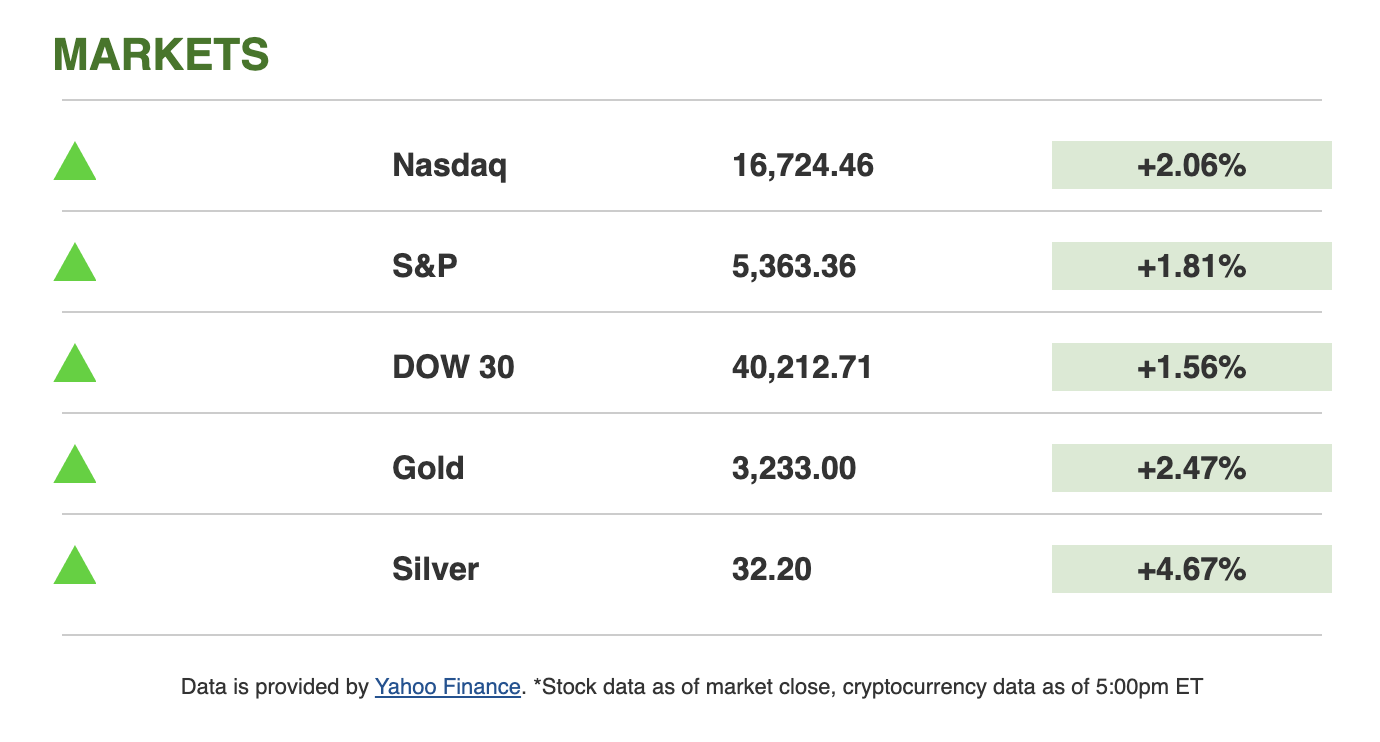
MARKET HEADLINES
🚘 Tesla shares tumble again as China slaps 125% tariffs on U.S. goods, highlighting the company’s shrinking market share and intensifying global trade tensions.
📦 Fastenal raises prices to offset new tariffs and warns of more hikes ahead, signaling broad manufacturing sector pressure from the trade war.
🌏 China mocks the U.S. over tariffs as tensions escalate, sparking sharp market volatility and triggering financial system concerns reminiscent of past crises.
💻 Nvidia stock climbs despite tariff worries and rising competition, as analysts believe its AI leadership will help it weather the geopolitical storm.
📉 Logitech pulls its 2026 guidance, joining Delta and Walmart in signaling deep corporate uncertainty amid Trump’s unpredictable tariff policy.
💱 Crypto markets stabilize after initial rebound from Trump’s tariff pause, with Bitcoin slipping and XRP inching upward as traders eye global tensions.
🇩🇰 Novo Nordisk’s downturn exposes Denmark’s deep economic dependence on the drugmaker, raising national concerns over concentration risk and global trade threats.
🧬 Goldman Sachs cuts long-term obesity drug market forecast by 27%, tempering Wall Street’s hype while still backing Eli Lilly’s dominant position.
🧠 Fed officials weigh soft data and sentiment over hard metrics, admitting tariff-related chaos has introduced new uncertainty into economic planning.
🚗 Volkswagen’s earnings stumble even before U.S. tariffs take effect, suggesting brutal challenges ahead for global automakers in 2025.
Wall Street’s Got the Jitters—But Don’t Call It a Crash (Yet)
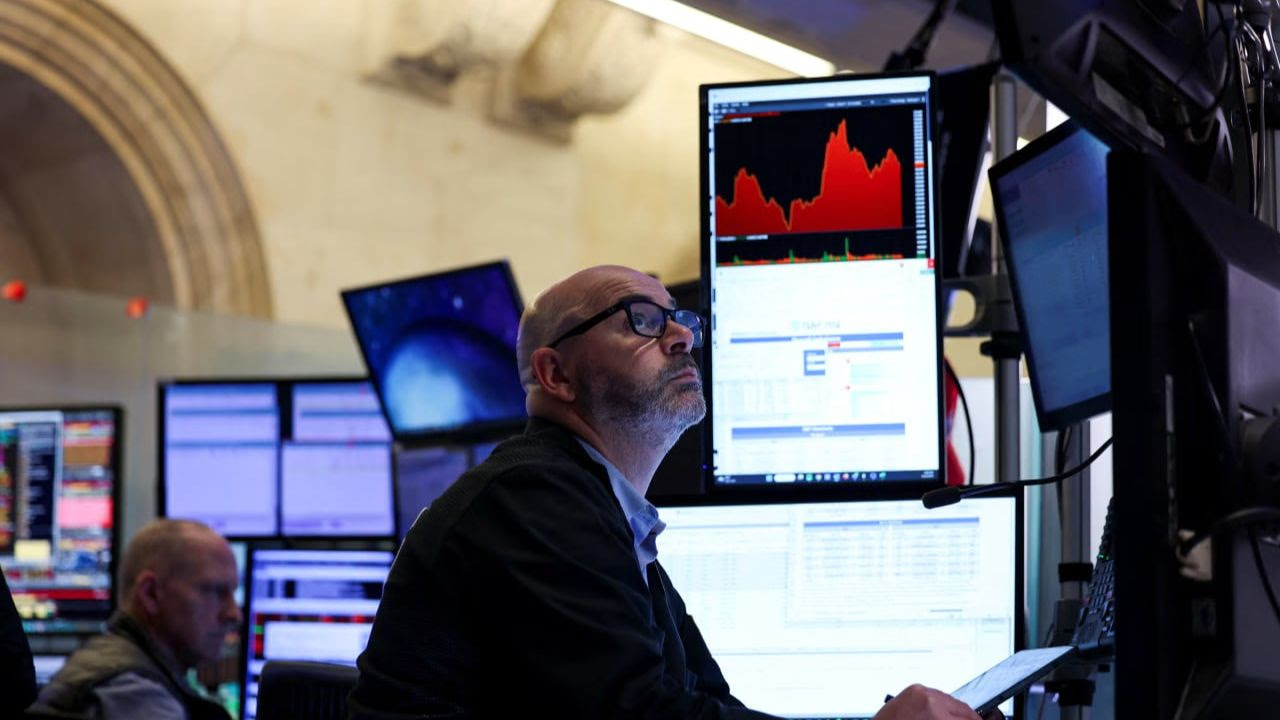
Wall Street’s flipping out after Trump’s “America First” tariffs, but let’s be honest—they’re reacting like spoiled kids who just found out Dad’s cutting their allowance.
The so-called fear gauges like the VIX are rising, but instead of signaling a crash, they’re more likely pointing to one of those classic sucker’s rallies—where the market bounces just long enough to lure in the gullible before another drop.
The media’s trying to stir up panic, but the truth is, this volatility isn’t caused by chaos—it’s caused by finally putting American workers ahead of globalist profits.
Investors are jittery because, for once, there’s a president who’s not playing Wall Street’s rigged game. Real reform takes guts—and pain—before the gain.
Trump’s not tanking the economy, he’s shaking out the weak hands and rebalancing the scales.
So if your 401(k) feels the heat, remember: short-term noise, long-term strength.
STOCKS TO WATCH
↘️ CarMax: The used car retailer’s shares dropped after its latest earnings report. While auto tariffs are driving up demand, new tariffs on parts set to begin next month are expected to significantly raise costs.
↗️ Novartis: The Swiss pharmaceutical giant gained over 1% in Zurich after announcing a $23 billion investment to grow its U.S. presence—despite the sector being in the crosshairs of potential future tariffs.
↗️ BYD: The Chinese electric vehicle maker surged more than 7% in Hong Kong after Daiwa upgraded its sales and profit outlook, citing strong prospects for overseas growth—even amid rising U.S.-China tensions.
↘️ BP: The energy giant slipped 1.6% in London following a quarter marked by lower gas and clean energy output, along with a rise in debt.
↘️ Stellantis: Shares of the Jeep and Ram parent company dropped 5% in Milan after reporting a 20% decline in North American vehicle shipments last quarter.
↗️ MicroStrategy and Coinbase Global: Shares of both crypto-exposed firms climbed more than 2% in premarket trading as bitcoin reclaimed the $81,000 mark.
↗️ Newmont and Barrick Gold: The gold miners rallied premarket, riding a wave of demand for safe-haven assets as gold prices hit new all-time highs.
🔎 JPMorgan, Morgan Stanley, and Wells Fargo: All three major U.S. banks are set to report earnings before the opening bell—investors will be watching closely.
This Day in the Markets
📈 On this day in 1983, the Dow Jones Industrial Average closed at a record high of 1,156.64, fueled by growing investor optimism during the early stages of an economic recovery under the Reagan administration; falling inflation, easing interest rates, and improving corporate profits helped restore confidence in the markets after the volatility of the late 1970s and early 1980s, marking a pivotal moment in the resurgence of U.S. equities.
ECONOMY
Trump’s Tariffs: Taking the Gloves Off and Putting America First (Finally)
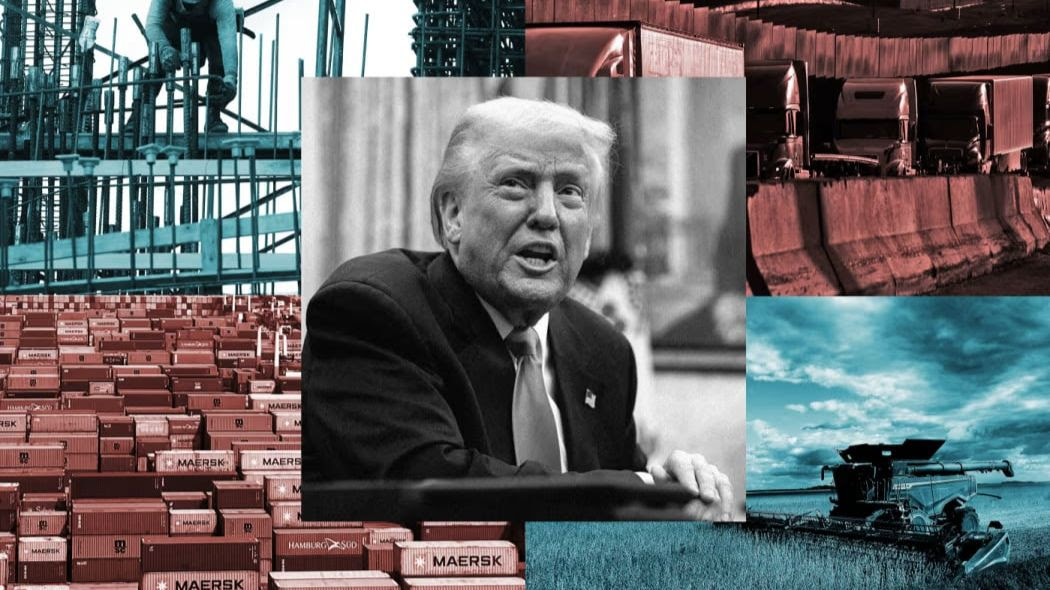
Trump’s tariff strategy is in full swing, and finally, someone’s standing up for American workers instead of kissing the ring of foreign governments.
He slapped a 10% across-the-board tariff on almost every country, threw a 25% punch at auto imports, and brought the hammer down on steel, aluminum, and especially China—where tariffs now total a glorious 145%.
Sure, Wall Street had a fit, so he paused some of the hikes for 90 days—except for China, because they’ve been playing us for decades and Trump’s not falling for their usual song and dance.
These tariffs aren’t just about trade; they’re part of a bigger plan—reviving U.S. manufacturing, stopping the fentanyl flood, and putting the brakes on illegal immigration.
Canada, Mexico, and the EU are throwing tantrums with their little retaliations (peanut butter and whiskey, seriously?), but they’ll be back at the table soon enough.
While the media cries “trade war” and globalists clutch their pearls, Trump’s proving that real leadership means taking the heat to protect the heartland—and for once, America isn’t getting played.
ECONOMY HEADLINES
💊 Novartis Commits $23 Billion to U.S. Expansion, Supporting Domestic Drug Production Amid Tariff Momentum.
🐉 China Responds With 125% Tariffs on U.S. Goods but Signals No Plans for Further Escalation.
📉 Analysts Urge Investors to Prepare for Market Downturn Scenarios as Economic Uncertainty Grows.
🏭 U.S. Heartland Sees Economic Revival Fueled by Investment and Policy Support, With Long-Term Strength Being Tested.
⚠️ Tariff-Driven Volatility Prompts Temporary Pause as Market Pressures Highlight the Importance of Strategic Timing.
🚗 Auto Stocks Adjust as Industry Adapts to New Tariff Structure and Analysts Recalibrate Expectations.
💸 Federal Deficit Rises to $1.3 Trillion With Record Debt Interest, While Tariff Revenue Sees Notable Uptick.
🍳 Food Prices Rise Again With Eggs and Beef Leading the Way, as Tariffs May Influence Future Inflation Trends.
⏳ Tariff Uncertainty Prompts Businesses and Households to Take a Cautious, Wait-and-See Approach.
🧾 House Advances Trump’s Tax Plan, Opening Door for Major Cuts While Balancing Deficit and Debt Priorities.
Trivia
Which of the following U.S. government programs is the largest in terms of federal spending?
A. Medicare
B. Social Security
C. Defense
D. Medicaid
E. Interest on the national debt
Scroll for the answer
BUSINESS
BlackRock Hits $11.6 Trillion Milestone, But Income Takes a Hit
BlackRock just broke the bank—literally—topping $11.6 trillion in assets under management, but don’t let that number fool you.
Despite the record haul, their net income dipped 4% thanks to acquisition costs, and CEO Larry Fink says clients are more jittery than a cat in a room full of rocking chairs.
Everyone’s spooked by economic uncertainty, Trump’s market-shaking tariffs, and the general vibe of “what the heck happens next?” Still, BlackRock beat Wall Street’s earnings expectations and brought in $84 billion in new inflows, even though analysts were hoping for more.
Performance fees dropped like a rock, but their bread-and-butter management fees held steady.
Fink’s betting this rough patch could be another launchpad for long-term growth—because if there’s one thing BlackRock knows how to do, it’s making money while everyone else panics.
Answer
Which of the following U.S. government programs is the largest in terms of federal spending?
B. Social Security
Social Security is the largest federal program in terms of government spending, accounting for about 20-25% of the total federal budget. It provides benefits to retirees, disabled individuals, and survivors of deceased workers.
The program is funded primarily through payroll taxes under the Federal Insurance Contributions Act (FICA).
While Medicare and defense represent significant portions of the budget, they do not exceed Social Security in total spending.
Medicaid and interest on the national debt are important but constitute smaller shares of federal expenditures.