
Dear Friend,
Warren Buffett’s cash pile has hit a record $300 billion, and while everyone’s wondering what he’ll buy next, he’s in no rush—especially with stocks at sky-high valuations.
Meanwhile, Trump’s latest 10} tariff on Chinese imports has businesses scrambling, but don’t expect a mass supply chain exodus just yet.
And if you thought egg prices were bad now, the bird flu outbreak is making things worse.
Egg farmers want a vaccine, but big poultry producers are worried it’ll tank exports.
The USDA’s decision could determine whether your breakfast gets even pricier.
Let’s dive into this edition of the Everlasting Wealth Insider Report.
Jeremy Blossom
Editor in Chief, Everlasting Wealth
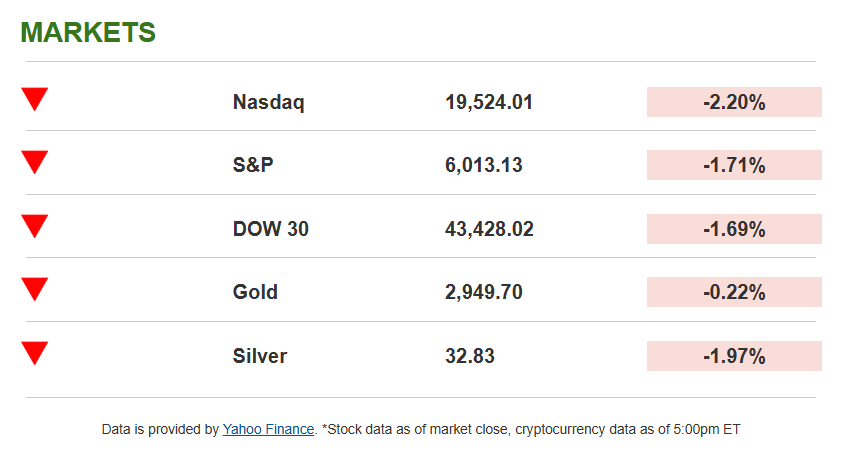
MARKET HEADLINES
💾 Nvidia stock remains volatile but analysts stay bullish ahead of earnings, confident in its AI dominance despite recent threats from China.
🚗 Tesla stock dipped as Rivian posted better-than-expected gross profits, though Tesla still dominates in overall vehicle sales and profitability.
💻 Super Micro stock is soaring but faces a key deadline next week to file overdue financial reports and avoid Nasdaq delisting.
📉 Bitcoin and XRP prices are slipping as investors grow cautious about macroeconomic uncertainty and the Fed’s stance on interest rates.
⚡ Trump’s energy plans favor fossil fuels, but natural gas and even some renewables like solar could present unexpected investment opportunities.
📜 Warren Buffett’s upcoming annual letter may address succession, Berkshire Hathaway’s massive cash reserves, and potential changes to its investment strategy.
🥤 Celsius stock soared 20% after an earnings beat and its acquisition of Alani Nu, a move aimed at revitalizing growth in the energy drink market.
📉 Stocks like Carvana, Walmart, and Palantir saw significant moves, with Palantir continuing to slide on concerns over defense budget cuts.
🤖 Tesla stock remains unpredictable, with investors balancing political risks, slowing Q1 sales, and anticipation for new low-cost EV and self-driving technology.
🐶 Freshpet stock plunged 19% on a sales miss, but analysts believe the reaction may be overblown as long-term growth remains strong.
Why Warren Buffett Is Stockpiling Cash—And What It Means for Investors
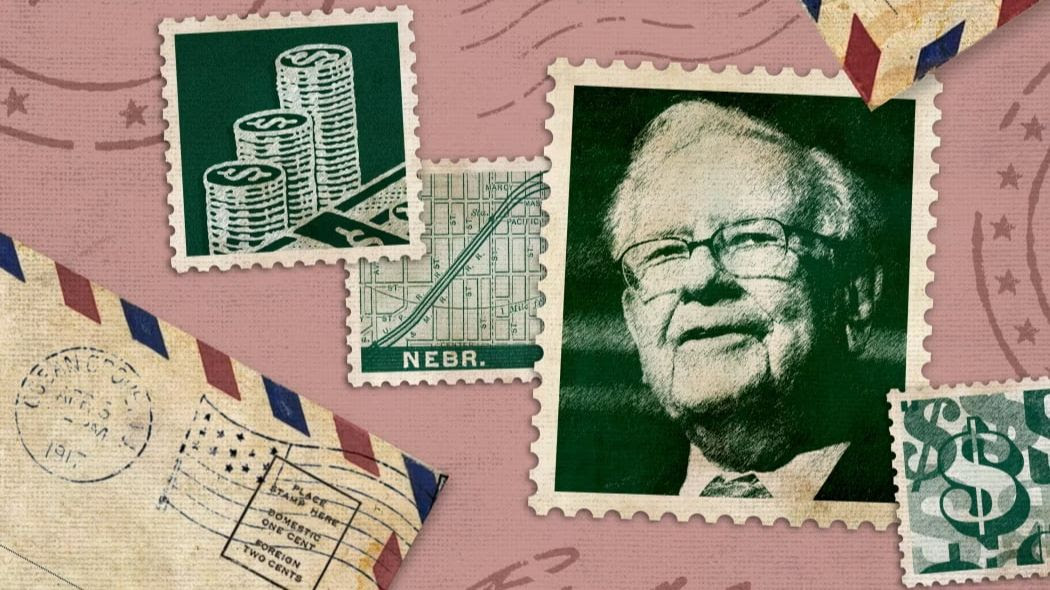
Warren Buffett’s Berkshire Hathaway is sitting on a record cash pile of over $300 billion, sparking curiosity about his next big move.
While some see it as a sign of caution in an overheated market, Buffett has made it clear—he’s waiting for the right deal.
With stock valuations at historic highs, he’s unwilling to overpay, even as Berkshire continues to generate cash from its diverse businesses.
The company has also trimmed its Apple holdings and slowed stock buybacks, possibly positioning for a smooth leadership transition to Greg Abel.
Meanwhile, Berkshire’s cash isn’t just sitting idle—it’s earning billions in interest and dividends.
Investors will be watching Buffett’s annual letter closely for clues on when he’ll make his next big investment, but one thing is certain: he’s not rushing into anything without a bargain in sight.
STOCKS TO WATCH
↗️ Celsius Holdings: The energy drink maker’s results weren’t as bad as feared, and an announced acquisition on Thursday gave the stock a massive boost, surging by a third in premarket trading.
↗️ Floor & Decor: A strong earnings report from the smaller home improvement retailer sent its shares soaring in early trading, signaling potential good news for big-box competitors yet to report.
↗️ Alibaba: The Chinese e-commerce giant delivered solid results and, more importantly, said the magic word: “AI.” Plans to invest in artificial intelligence pushed shares higher premarket after an already strong gain on Thursday.
↗️ Nissan Motor: The struggling automaker saw its stock rise after The Financial Times reported that a Japanese group plans to approach Tesla about taking a stake. Could Elon Musk come to the rescue?
↘️ Block: The parent company of Cash App and Square looked shaky in early trading, as weak earnings weighed on its stock.
This Day in the Markets
📉 On this day in 2009, the Dow Jones Industrial Average plunged below 7,200 for the first time since 1997, as mounting fears over the deepening financial crisis, deteriorating corporate earnings, and the instability of major banks fueled investor panic, driving markets to their lowest levels of the Great Recession and intensifying concerns about the global economy’s ability to recover.
ECONOMY
Businesses Weigh Cost of Moving Supply Chains as Trump’s China Tariffs Take Effect
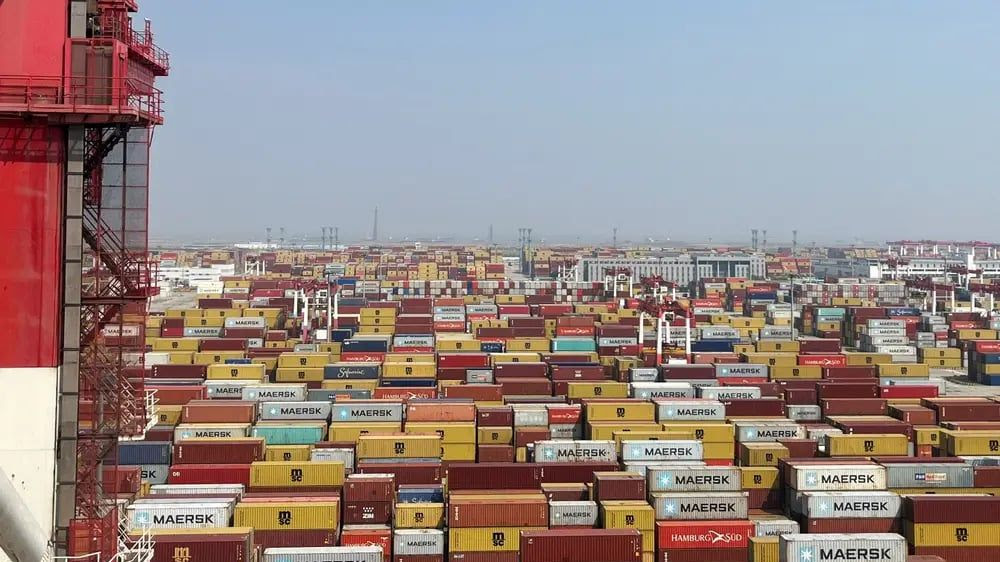
With President Trump’s latest 10% tariff on Chinese imports now in effect, businesses are facing a tough decision—relocate supply chains or absorb the costs.
For many, shifting production isn’t financially or logistically feasible.
Companies like baby product brand Lalo and adaptive wear company Joe&Bella say their specialized suppliers in China are difficult, if not impossible, to replace quickly.
Instead, they are negotiating with manufacturers to keep costs down and lessen the impact on consumers.
While some businesses may eventually look for alternatives, the uncertainty of shifting policies makes planning difficult.
Experts warn that supply chain overhauls are expensive and time-consuming, meaning most companies will likely take a wait-and-see approach before making any drastic moves.
ECONOMY HEADLINES
🌏 China’s AI resurgence boosts Alibaba and DeepSeek, but U.S. tech dominance and regulatory risks make long-term growth uncertain.
🛒 Walmart’s weak outlook sparks concerns about consumer spending, with shoppers shifting toward essentials and weight-loss drugs boosting health sales.
📜 Warren Buffett’s upcoming letter may address Berkshire Hathaway’s massive cash reserves, succession plans, and future investment strategies.
📉 FTC’s inquiry into social media censorship pressures tech stocks, as platforms face scrutiny over free speech and monetization policies.
💼 IRS layoffs of 6,000 employees raise concerns about tax season disruptions, while broader federal job cuts continue under Musk’s DOGE initiative.
💰 Trump pushes for major tax cuts, tying them to a government funding bill, while Democrats warn of potential spending cuts to social programs.
🏫 Linda McMahon advances as Education Secretary with plans to dismantle the department, shifting education policy back to the states.
🏠 Home sales data expected to be weak, but investors should focus on mortgage application trends to gauge the spring housing market.
📈 Markets remain unfazed by tariffs, inflation, and budget battles—for now—but volatility could spike in March and April.
🏥 Medicare faces potential privatization as Musk’s DOGE team targets cost-cutting, raising concerns about patient access and long-term affordability.
🚗 Tesla stock rises after Musk and Trump address conflict-of-interest concerns in a Fox News interview, but political risks remain for the brand.
Trivia
Which U.S. city is considered the financial capital of the country due to its concentration of major banks, stock exchanges, and financial institutions?
A. Chicago
B. Los Angeles
C. Washington, D.C.
D. New York City
E. San Francisco
Scroll for the answer
BUSINESS
Egg Prices Soar as Chicken Industry Weighs Bird-Flu Vaccine Debate
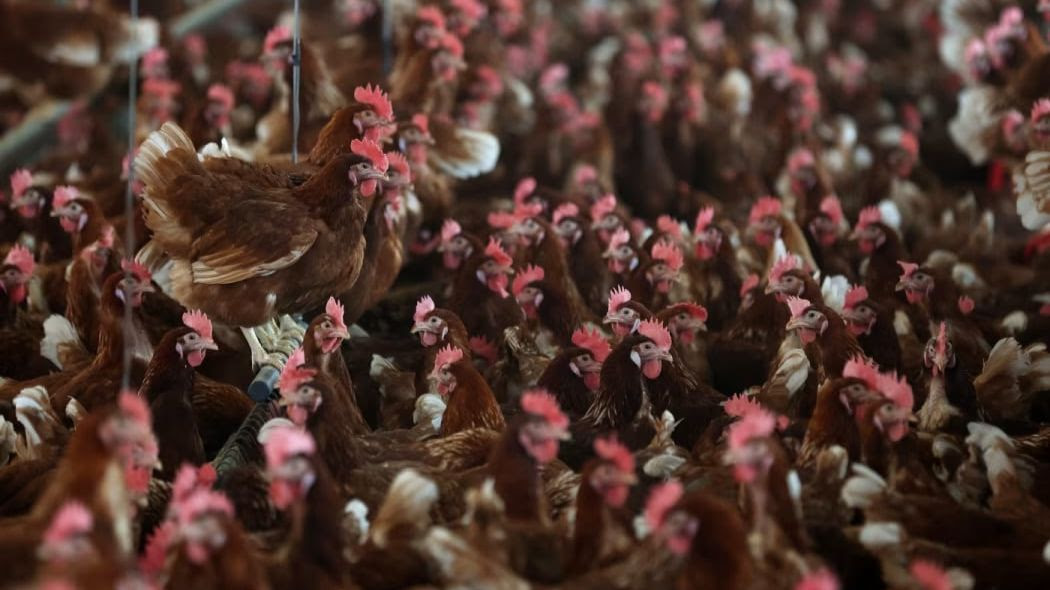
With egg prices hitting record highs due to a severe bird flu outbreak, the egg and chicken industries are divided over whether to vaccinate flocks.
Egg producers, facing devastating losses and soaring costs, are pushing for a vaccine approval to protect their hens, which account for over 75% of flu-related poultry deaths.
Meanwhile, chicken processors like Tyson and Pilgrim’s Pride worry that vaccinations could disrupt exports, as many countries might refuse to buy U.S. poultry.
The Trump administration is reviewing bird flu policies, with the USDA set to release a comprehensive strategy soon.
While the debate continues, families are left grappling with rising egg prices at the grocery store.
Answer
Which U.S. city is considered the financial capital of the country due to its concentration of major banks, stock exchanges, and financial institutions?
D. New York City
New York City is the financial capital of the United States and one of the most important financial hubs in the world.
It is home to Wall Street, the New York Stock Exchange (NYSE), and the Nasdaq, as well as major banks and investment firms like Goldman Sachs, JPMorgan Chase, and Morgan Stanley.
While Chicago is known for commodities trading (Chicago Mercantile Exchange), San Francisco for tech startups and venture capital, and Washington, D.C. for government policy, none match NYC’s dominance in global finance.
Los Angeles, while economically significant, is more focused on entertainment and media.