
Dear Friend,
Well, well, well… someone’s feeling lucky! Four massive bets have hit Polymarket, pushing Trump’s odds of winning 2024 up to 62%.
Is this a savvy gambler or someone playing politics? Either way, things just got interesting!
Meanwhile, China’s economy is slowing down, oil prices are wobbling, and Mark Newton’s saying we’re in for a 7% stock market drop by mid-November.
But don’t freak out yet—he’s also calling it a “buy the dip” moment.
Buckle up and keep reading this edition of the Insider Report for all the juicy details!
Jeremy Blossom
Editor in Chief, Everlasting Wealth
MARKET HEADLINES
👀 A massive wave of pro-Trump bets is shaking up Polymarket, a popular crypto-based prediction market. Four accounts have dropped around $30 million on Trump winning the 2024 election, causing his odds to surge to 62%, way ahead of Kamala Harris’s 38%. Some think it’s just a big bettor hoping for a payday, while others see it as a possible influence campaign to fuel Trump’s momentum.
🎬 Netflix is still flexing its muscles in the streaming game, pulling in $2.9 billion in profit last quarter, a 30% margin—pretty huge when most other streaming players are barely breaking even. Even with these strong numbers, Wall Street is itching for Netflix to raise its prices, especially since its ad-supported plan is currently the cheapest among major streamers.
💸 OpenAI and Microsoft are in the middle of a big showdown, trying to figure out how Microsoft’s $14 billion investment in OpenAI’s nonprofit status will convert into equity when the company becomes for-profit. OpenAI’s valuation has skyrocketed to $157 billion, and since Microsoft is its biggest investor, this negotiation is crucial for both sides.
📉 China’s economy slowed down in Q3, sparking concerns about weaker oil demand, even though retail sales and industrial production improved slightly in September. This economic slowdown is a key factor driving oil prices down, although geopolitical tensions in the Middle East—particularly after Israel’s killing of Hamas leader Yahya Sinwar—are still offering some support to the market. Everyone’s watching for more developments in that region.
Stock Market on Shaky Ground: 7% Drop Predicted by November
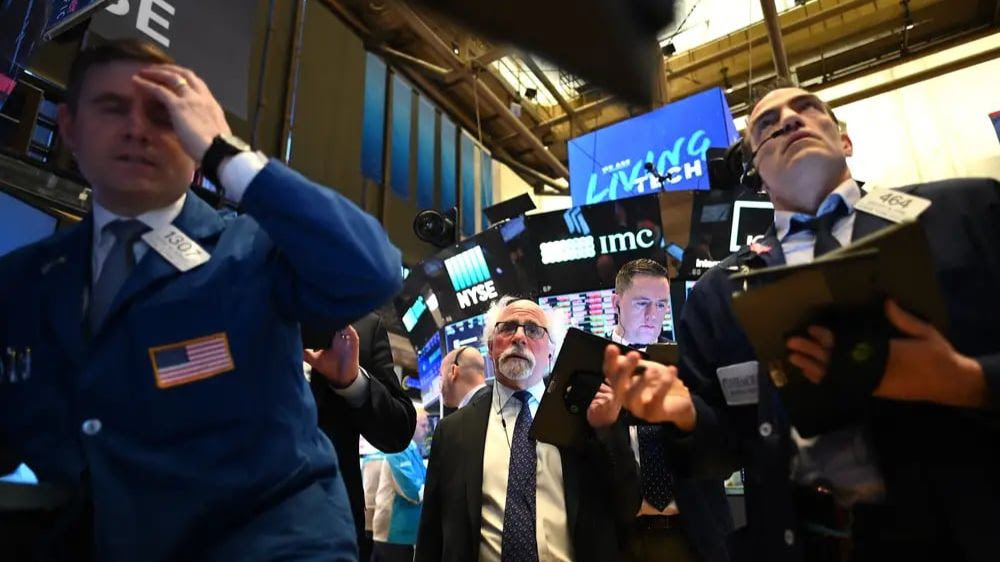
Get ready for a bumpy ride—according to Fundstrat’s Mark Newton, the stock market is set for a 7% drop by mid-November.
Why? Because investors have gotten too comfy, and the typical seasonal trends aren’t helping.
Newton says it’s not all doom and gloom, though.
He’s calling it a “buy the dip” situation, not the start of a crash.
With tech stocks limping along and complacency through the roof, Newton thinks this rally is running out of steam.
But, hey, if you’re savvy, you might see this as a chance to scoop up some bargains before things bounce back.
STOCKS TO WATCH
↗️ Netflix: The streaming giant posted its most profitable quarter ever, despite slower subscriber growth. Shares rose about 5% in premarket trading.
↗️ Nvidia, Advanced Micro Devices, Arm: Chip stocks rallied premarket, buoyed by TSMC’s positive results, which helped ease concerns triggered by ASML earlier in the week.
🔎 Intuitive Surgical: The biotech company exceeded Wall Street expectations for third-quarter profit and revenue, driven by increased robotic surgeries.
🔎 American Express and Procter & Gamble: Both companies are set to release their earnings reports before the market opens.
↗️ Alibaba, PDD, JD.com: U.S.-listed shares of these Chinese firms jumped premarket, mirroring strong rallies in Hong Kong and mainland China.
This Day in the Markets
⚡ On this day October 20, 1973, the U.S. economy faced a significant shock when President Richard Nixon dismissed Watergate Special Prosecutor Archibald Cox, leading to what is known as the “Saturday Night Massacre.” This event contributed to a major crisis of confidence in the U.S. government, resulting in a temporary stock market decline. The broader Watergate scandal, compounded by Nixon’s actions on this day, increased political instability, which had ripple effects on the economy and markets during the 1970s.
STOCK PICK OF THE WEEK
Weiss Research
Big Brother’s Watching—And AI Is Leading the Charge

AI has garnered a lot of attention post the launch of ChatGPT, and rightly so.
But here’s a chilling fact a lot of people don’t know:
For decades, agencies like the NSA have been using AI to illegally snoop into the private lives of millions of Americans.
Yes! And now, this snooping could intensify exponentially — this time with the law’s full blessing.
Last year, the U.S. government launched a mission to create a system that tracks every single transaction in the country. Already, 470 financial institutions have joined, with more following suit.
That means:
-
Nearly every transaction you make could soon be tracked by the Fed and other government agencies.
-
Your financial moves could come under review even if you did nothing wrong.
-
The burden of proof could fall on you to justify each transaction.
-
Worst of all AI, not humans, could be making decisions about your financial activities.
But there’s a way to protect yourself.
Watch this urgent video to find out how!
ECONOMY
The Housing Market: A Slow Thaw, But Don’t Hold Your Breath

Well, it looks like the housing market is still in deep freeze, but there’s a bit of light at the end of the tunnel.
Mortgage rates have dropped from their 2023 peak (thank God), but they’re still hovering around 6.3%.
So, don’t expect buyers to rush in just yet. Maybe by the end of 2025, when rates dip below 6%, people will finally get off the sidelines.
Home prices will keep inching up, but only by 3-4% a year—nothing like the wild ride we saw during the pandemic.
Sellers are having to get real with their prices, too, with 20% cutting their asking price.
Meanwhile, builders are staying busy with all the desperate buyers who can’t find used homes.
But apartment construction is slowing down—finally.
Renters might catch a break for a minute, but don’t hold your breath for it to last long. It’s going to be a slow and steady ride to “normal.”
ECONOMY HEADLINES
🌍 McKinsey is shaking things up in China! They’ve cut about 500 employees—around a third of their workforce there—and are stepping away from government-linked clients due to security concerns and geopolitical tensions. They’re now focused on helping international companies deal with China’s evolving landscape, while guiding Chinese firms aiming to expand abroad.
💰 Insurers are raising rates or pulling back coverage as climate-related disasters become more frequent. Developers keep pushing forward, though, even in places like La Linda Estates, a new luxury development near Sarasota. These homes are being built right in the path of future storms, despite warnings of high flood and wind risks. Interestingly, more than half of these new properties in Florida aren’t even in the official flood zones, skirting the tougher rules and insurance requirements.
🎮 Nvidia is set to dominate tech earnings again as AI spending skyrockets! Big players like Microsoft, Amazon, Google, and Meta have poured over $100 billion into capital spending this year, mostly to buy Nvidia chips that power AI services. Wall Street expects even bigger spending next year, which is great news for Nvidia. However, the return on these investments for the big tech companies is still uncertain, and only Microsoft has hinted at how AI is boosting revenue so far.
🏠 High home prices are forcing builders to get creative with mortgage deals. Builders have been offering mortgage buydowns to make homes more affordable, but with interest rates shifting, they might need to cut prices even further. Some builders are already seeing a drop in profits, and experts expect more aggressive pricing to keep sales up as the market cools.
💼 Paychecks are getting squeezed in 2025, with raises expected to remain flat while health costs continue to rise. Companies are likely to pass on these higher costs to employees through increased deductibles and premiums, making it even more important for workers to ask detailed questions about their benefits. Experts suggest negotiating perks like signing bonuses or wellness benefits to offset these higher expenses.
BUSINESS
Wall Street’s “Comeback” – Don’t Pop the Champagne Just Yet
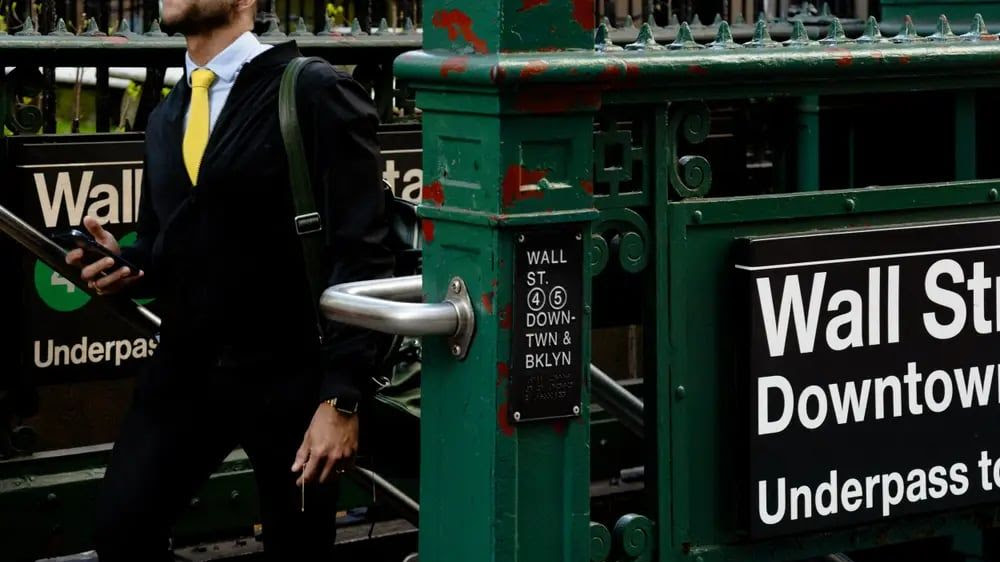
So, Wall Street’s big boys are back to raking in billions, and it looks like the champagne and caviar crowd will be celebrating hefty bonuses.
Goldman, JPMorgan, and the usual suspects saw dealmaking fees soar, with Goldman Sachs’ investment banking revenue alone shooting up 56%.
Seems like good times are here, right? Well, hold your horses.
These guys are cautiously whispering about how this may all come crashing down—because, you know, elections, interest rates, and geopolitical chaos might just ruin the party.
It’s like planning a blowout bash, but someone might shut it down before you even uncork the champagne.
Plus, there’s a good chance the whole thing’s just a “head fake” that’ll burn out before things hit 2021 levels again.
But hey, at least the bonuses will keep rolling—for now.
RETIREMENT
Even Retirement Experts Make Mistakes – Here’s What She’d Do Differently
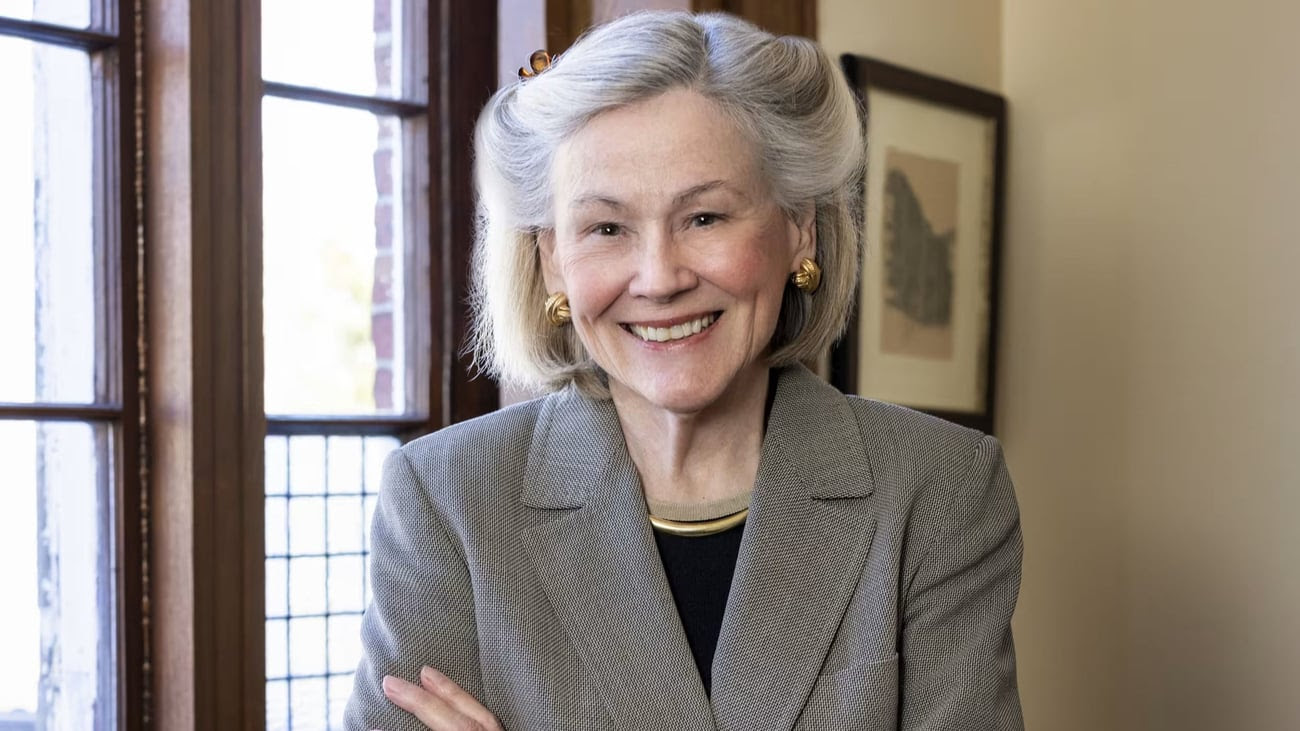
Alicia Munnell, the woman who’s spent decades improving how America retires, is stepping down, and surprise—she admits to some big goofs with her own retirement planning.
At 50, she took her pension early (because obviously she’d be a financial whiz with it, right?), but instead of investing, she just spent it.
Her advice now? Hold off on grabbing that pension check. Oh, and she regrets not moving any savings into a Roth 401(k).
But hey, she did downsize her house and kept working, which she says really saved her bacon.
Turns out, even the “experts” aren’t perfect at this retirement game!
Trivia
What is the Federal Reserve’s primary tool for controlling inflation?
A) Printing more money
B) Changing income tax rates
C) Adjusting the federal funds rate
D) Regulating stock market transactions
E) Issuing government bonds
Scroll for the answer
TAXES
The Rich Are Using Their Parents to Avoid Taxes – Here’s How.

Apparently, there’s a clever trick the ultra-wealthy are pulling to dodge capital gains taxes: gifting stocks to their parents and inheriting them back when the folks pass away.
Yup, it’s called “upstream planning,” and it lets rich entrepreneurs avoid paying taxes on their stock gains by resetting the cost basis when they inherit them.
Sure, it’s risky (parents could change their minds or rack up debts), but it can save big bucks—like avoiding a $238k tax bill on a $1 million gain.
Just another loophole for the 1% to squeeze every last dollar. Must be nice!
Answer
What is the Federal Reserve’s primary tool for controlling inflation?
C. Adjusting the federal funds rate
The Federal Reserve’s primary tool for controlling inflation is adjusting the federal funds rate, which is the interest rate at which banks lend to each other overnight.
By raising the federal funds rate, the Fed makes borrowing more expensive, which slows down economic activity and helps reduce inflation.
Lowering the rate makes borrowing cheaper, stimulating economic growth.
While the Fed also engages in bond-buying and other monetary policies, adjusting the federal funds rate remains the most direct and frequently used tool for managing inflation.