
Dear Friend,
Well, it looks like we’re getting hit from all sides—September’s inflation report brings us rising car prices, food, and healthcare costs, while Social Security checks barely move the needle next year.
But hey, at least shelter costs are finally cooling off, giving the Fed something to cheer about.
Meanwhile, IKEA and Nike must’ve finally noticed our wallets are empty—they’re slashing prices.
And if you’re in a disaster zone, congrats, the IRS is giving you a little more time to send them your money.
Check out the latest in this edition of the Everlasting Wealth Insider Report!
Jeremy Blossom
Editor in Chief, Everlasting Wealth
MARKET HEADLINES
🚖 Tesla’s robotaxi is finally here. In one of Tesla’s most anticipated events in years, Elon Musk is set to reveal the fully autonomous “Cybercab” tonight. Musk has been hyping self-driving tech since 2016, saying it was just two years away—now, it’s (hopefully) worth the wait! Rumor has it the Cybercab will even have butterfly doors that open upward. Musk is betting big on autonomous vehicles, prioritizing this over developing cheaper EVs to fend off competition.
⛽ Biden administration warns against hurricane price gouging. With Hurricane Milton hitting Florida, the FTC is on alert for price gouging, especially for essentials people need to evacuate safely. Almost 25% of Florida’s gas stations were out of fuel as of yesterday, adding to concerns. The DOJ is keeping a close eye on companies that might take advantage of the situation, while some big airlines and retailers have already frozen prices ahead of the storm.
💊 Activist investor takes $1 billion stake in Pfizer. Starboard Value has grabbed a big stake in Pfizer, hoping to steer the struggling pharma giant back on track after its pandemic peak. They’ve even reached out to former execs to help the turnaround. Starboard thinks the current CEO has lost focus on cost-cutting and innovation, with Pfizer’s shares now half of what they were in 2021.
📊 Asset managers are eyeing private credit ETFs for retail investors. Big firms like Apollo, BlackRock, and KKR are working on exchange-traded funds that would give everyday investors access to the $1.7 trillion private credit market. The challenge? Private credit is illiquid and tough to value, making it tricky to merge with ETFs, which trade all day. Regulators will be watching to ensure liquidity rules are met, but if they can pull it off, it could bring a lot of new money into the market.
Energy & Utilities Market Highlights: Geopolitics Drive Oil Price Jitters
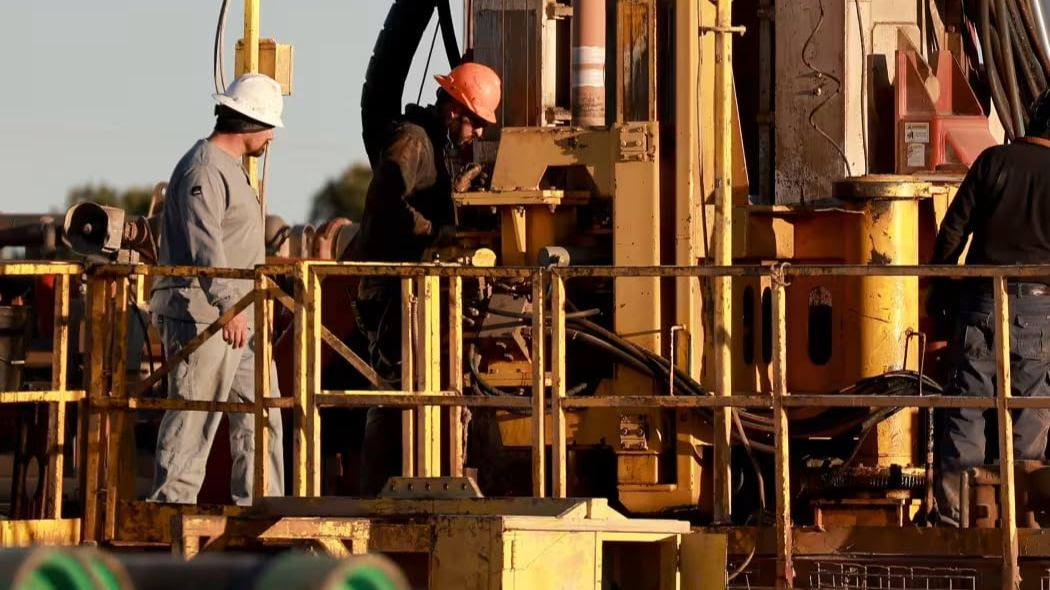
Tensions in the Middle East are once again pushing oil prices higher.
After a brief retreat, both WTI and Brent crude jumped over 3.5% due to renewed concerns about Israel’s response to Iran’s missile strike.
Although there’s uncertainty, analysts see an attack on Iranian oil facilities as unlikely.
In other news, Woodside Energy faces a downgrade from Macquarie to “neutral” due to its aggressive capital expenditures on new projects.
The bank expects a dividend cut to keep debt under control, with the stock’s price target dropping by 18%.
Meanwhile, oil markets remain on edge as geopolitical risks continue to fuel volatility.
STOCKS TO WATCH
↘️ 10x Genomics: The life sciences company saw its shares tumble by more than 25% in premarket trading after reporting preliminary earnings that fell short of Wall Street expectations.
↘️ Tesla: Tesla’s stock dropped 6% in premarket trading following CEO Elon Musk’s unveiling of the company’s first driverless vehicle. The robotaxi marks a shift towards robotics and AI as key drivers of future business.
↘️ Seven & I: The owner of 7-Eleven reported a significant profit decline, as the company deals with a takeover attempt from Alimentation Couche-Tard, a Canadian firm.
↗️ Uber Technologies: Shares of Uber rose nearly 3% premarket, benefiting from optimism surrounding its recent partnership in the self-driving car space. Lyft, a smaller competitor, also saw its shares rise.
↘️ BP: BP’s stock traded slightly lower after the company warned that weaker refining margins could reduce quarterly earnings by $400 million to $600 million, as oil prices continue to slump
This Day in the Markets
📉 On this day in 2007, the U.S. stock market was in the midst of the bear market that began around this time, reflecting broader concerns over economic conditions. The Dow Jones Industrial Average, S&P 500, and NASDAQ all saw significant declines from their peaks earlier that year, leading to increased volatility and uncertainty among investors.
STOCK PICK OF THE WEEK
Weiss Research
Shocking Government Program Threatens Your Bank Account: Take Action to Safeguard Your Money Now
Legendary financial forecaster, Dr. Martin Weiss has recently uncovered the government’s chilling new program that could radically change America forever.
It involves the Fed …
Your bank account …
And a Draconian set of rules that could install total financial surveillance.
This includes monitoring your every transaction …
Locking you out of your money for any reason …
If you have any kind of money in an American bank, your financial future could be compromised.
Time is running out …
Follow these three simple steps to protect your savings before it’s too late.
ECONOMY
Inflation Update: Costs Climb, but Housing Shows Promise

September’s inflation report delivered a mix of good and bad news.
The bad? Car prices are back on the rise, along with higher costs for repairs, insurance, healthcare, and flights.
Food prices also saw an uptick. However, the good news is that shelter costs are finally cooling, which could help ease inflationary pressure on services—something the Fed desperately wants to see.
As for Hurricane Milton, Tampa Bay dodged a bullet, but the damage is still significant, with power outages and flooding in nearby areas.
Insurance companies are staring down billions in losses this hurricane season, with Florida-based insurers like Citizens Property Insurance facing the greatest risk.
Luckily, national giants like State Farm are more spread out, allowing them to absorb the blow a bit easier.
ECONOMY HEADLINES
🏦 Many large companies are scaling back or eliminating grants aimed at Black- and Hispanic-owned businesses due to legal challenges and public pressure, reducing critical funding for minority entrepreneurs.
🌪️ Hurricane Milton caused widespread damage across Florida, leaving 11 dead and millions without power, though it was not as catastrophic as feared, according to Gov. Ron DeSantis.
💸 TD Bank agreed to pay over $3 billion in penalties and face growth restrictions in the U.S. after pleading guilty to failing to prevent money laundering through its accounts.
🌍 Donald Trump proposed ending the double taxation of Americans living abroad as part of his effort to appeal to U.S. expatriates in the 2024 presidential race.
💰 U.S. consumer confidence unexpectedly declined in October, with many still frustrated by high prices, despite improved inflation expectations ahead of the presidential election.
BUSINESS
Companies Slash Prices—Guess They Finally Noticed We’re Broke!
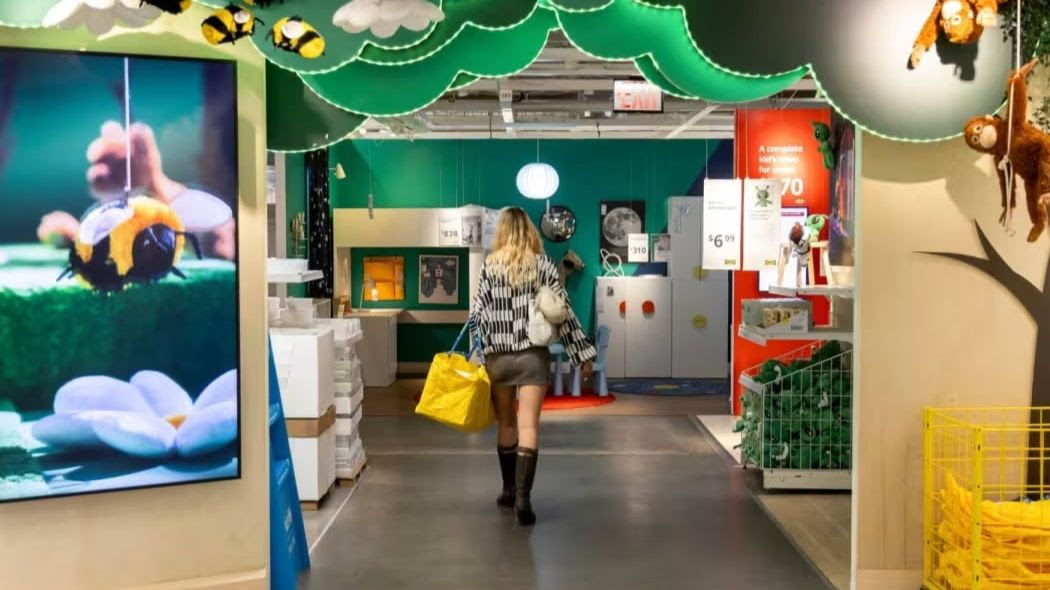
Well, it looks like companies are finally realizing that we’re not all made of money.
IKEA just cut prices by 10%—the biggest drop in their history.
After years of jacking prices up for anything from a sofa to a meatball, they figured out that people have more pressing things to spend on, like rent and groceries.
Nike’s joining the party too, slashing prices to unload sneakers that aren’t exactly flying off the shelves.
Even Domino’s is in “pizza wars,” offering deals like a large pizza for the price of a medium.
About time someone figured out we’re all tightening our belts, literally and figuratively!
RETIREMENT
Social Security Raises Shrink: Retirees to See Just 2.5% Bump in 2025
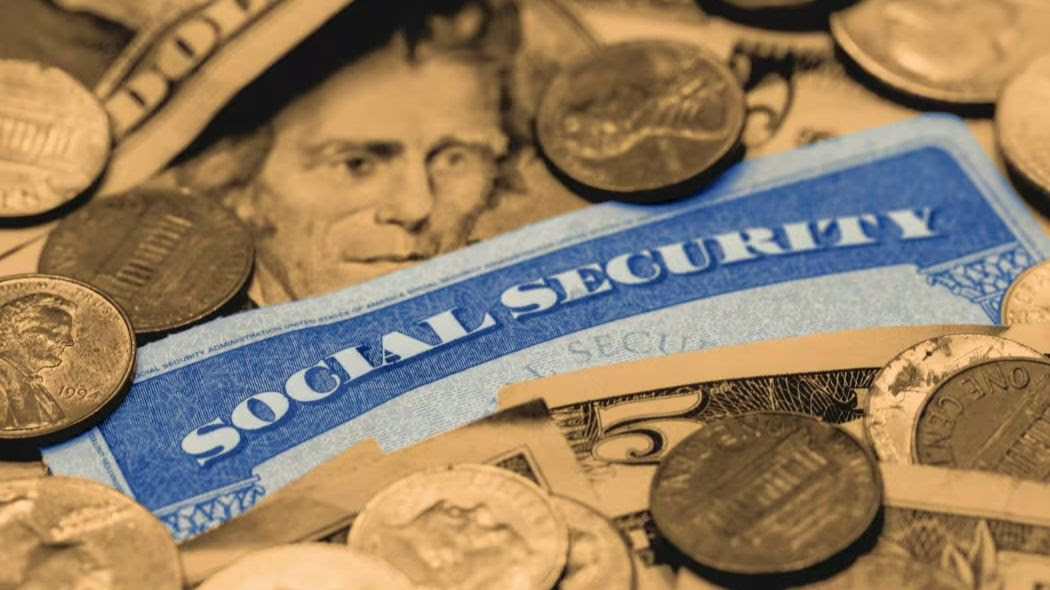
Social Security recipients are in for a modest 2.5% increase next year, the smallest raise in four years, bringing the average monthly check to $1,976—up just $49.
This slower growth reflects cooling inflation, but retirees are feeling the pinch as prices for everyday essentials like groceries and gas remain high.
While inflation has eased, it’s still piled on top of the huge price hikes from the past few years, leaving many retirees, like Gerald Kaminski, tightening their belts.
Rising Medicare premiums will also chip away at that increase, with Medicare Part B premiums set to jump to $185 per month, eating up about 21% of the COLA bump.
All in all, many seniors are left scrambling to stretch their Social Security checks to keep up with real-life costs.
Trivia
Which of the following events is considered a major cause of the Great Depression in the United States?
A) The signing of the Treaty of Versailles
B) The collapse of the stock market in 1929
C) The introduction of the New Deal
D) The oil embargo of 1973
E) The dot-com bubble burst in 2000
Scroll for the answer
TAXES
Disaster Strikes, But the IRS Throws You a Bone (Sort Of)

If hurricanes didn’t wreck your year, taxes might!
Thanks to disasters like Hurricanes Milton and Helene, folks in 33 states could qualify for some tax relief.
If your house got smashed, you might get a deduction—though the IRS has made it so complicated, you’ll need a PhD to figure it out.
And if you’re in a disaster zone but avoided damage?
Congrats, you get more time to file your taxes!
Because nothing screams “recovery” like the IRS giving you a few extra months to hand over your money.
Answer
Which of the following events is considered a major cause of the Great Depression in the United States?
B) The collapse of the stock market in 1929
The Great Depression, which lasted from 1929 to the late 1930s, was significantly triggered by the stock market crash on October 29, 1929, known as Black Tuesday.
This event led to a severe decline in consumer confidence and massive unemployment, causing a ripple effect throughout the economy.
While other events listed may have had significant economic impacts, they occurred at different times and were not direct causes of the Great Depression.
The New Deal (option C) was actually a series of programs initiated by President Franklin D. Roosevelt to combat the effects of the Great Depression after it began.