Dear Friend,
Hold on tight—those Fed rate cuts are sending markets on a wild ride!
Stocks, bonds, and gold are all in play, but who knows where the economy will land.
Meanwhile, Wall Street is finally waking up from its long love affair with China, and let’s just say, it’s not a pretty breakup.
On the small business front, cautious optimism is the vibe, with some owners eyeing expansions while others are waiting for even lower rates.
And if you’re nearing retirement, don’t forget to test-drive those golden years!
Turns out “aging in place” might need a little rethink.
Keep reading for all the details in this edition of the Everlasting Wealth Insider Report!
Jeremy Blossom
Editor in Chief, Everlasting Wealth
MARKET HEADLINES
😬 Caroline Ellison got sentenced to two years for her role in the FTX collapse. She was Sam Bankman-Fried’s ex and helped in the fraud but cooperated with investigators, so prosecutors pushed for a lighter sentence. Even though she helped a lot, the judge said there’s no “get out of jail free” card for something this big. Meanwhile, SBF is serving 25 years.
💥 Visa is being sued by the DOJ for monopolizing the debit card market. The claim is that Visa’s been penalizing merchants who try to use alternatives, which means Visa controls about 60% of US debit transactions. This is part of a big investigation into Visa’s practices.
💸 Boeing just offered a 30% wage hike to try to end the factory workers’ strike. After the union rejected a 25% raise, Boeing is trying again with better terms. They’re also offering bigger bonuses and 401(k) contributions. The union hasn’t responded yet, but the pressure’s on with production paused.
🌍 X (formerly Twitter) might come back to Brazil this week. The platform was banned for a while, but after complying with court orders—like paying fines and removing accounts—X is hoping to resume operations. This is Musk trying to keep X alive in Brazil as competitors like Threads and Bluesky gain ground.
🏨 Motel 6 was just sold to Oyo for $525 million. Oyo, backed by SoftBank, bought the chain from Blackstone, which originally paid $1.9 billion for it in 2012. Oyo’s looking to grow in the US with this all-cash deal, and it should wrap up by the end of the year. Fun fact: Motel 6 got its name because rooms used to cost just $6!
Fed Cuts: A Roller Coaster for Markets, but There’s Gold at the End
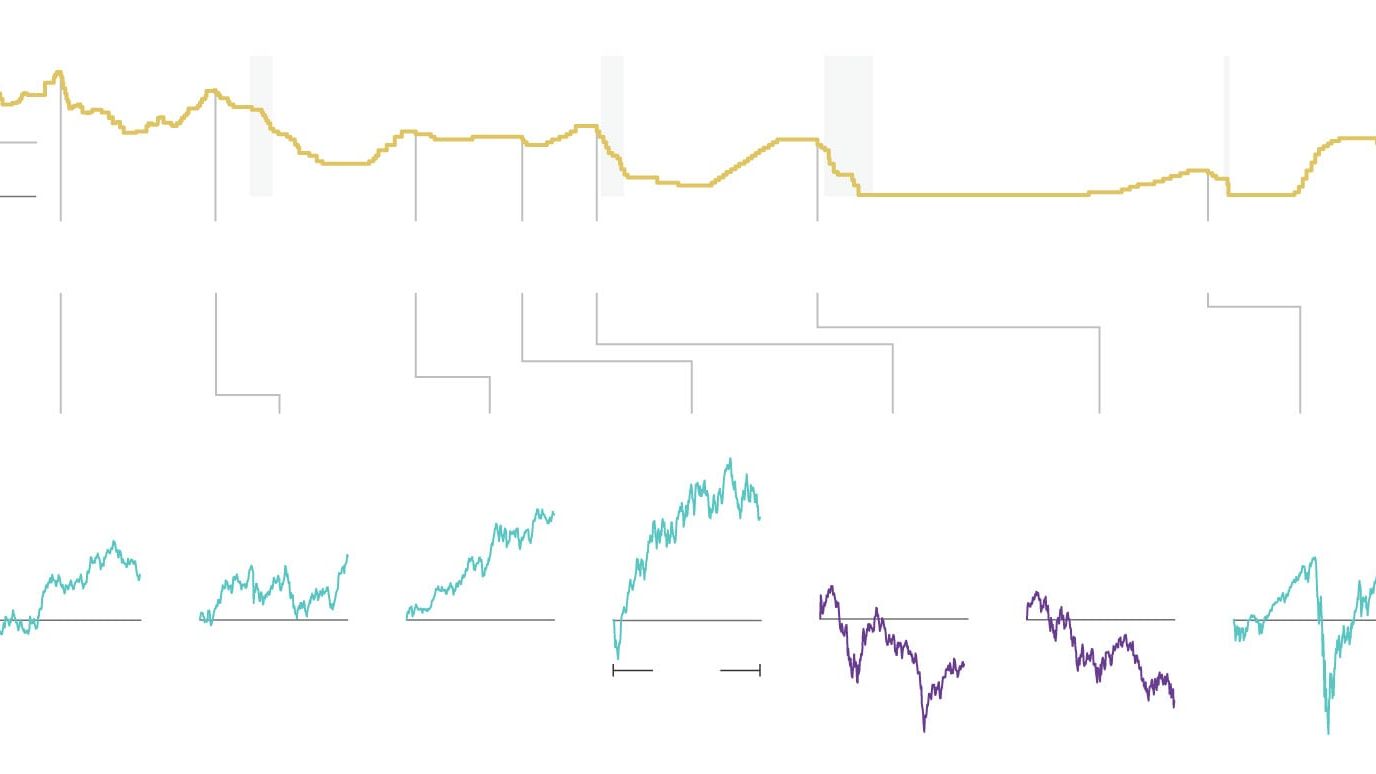
Well, the Fed’s recent rate cuts are making waves, and investors are already betting on what happens next.
Historically, stocks and bonds have often rallied after rate cuts—but only if the economy doesn’t tank.
Remember 2008? Yeah, not pretty.
Treasurys usually see yields climb modestly during these cuts, but if the economy hits the skids, all bets are off.
Small businesses, tracked by the Russell 2000, tend to benefit more than big corporations, thanks to lower borrowing costs.
Meanwhile, the U.S. dollar weakens as foreign investors lose interest, and gold shines bright as a go-to safe haven.
STOCKS TO WATCH
↗️ Micron Technology: The memory-chip maker saw its stock surge about 17% after reporting better-than-expected results and issuing strong guidance. This rally also lifted other chip companies like Intel, Nvidia, AMD, and ASML.
↗️ Accenture: The professional services giant posted a rise in quarterly net income and announced new bookings, including over $1 billion tied to generative AI. Its stock gained 5%.
↗️ CarMax: The used-car retailer reported an increase in quarterly profits despite challenges in its loan business due to higher loss provisions. Shares rose 4%.
↗️ Southwest Airlines: The airline raised its revenue outlook and announced a $2.5 billion stock buyback plan, boosting its stock nearly 10% as it aims to jump-start profits and fend off activist investor pressure.
↘️ Pfizer: The pharmaceutical company saw its shares dip by less than 1% after voluntarily pulling its sickle-cell treatment, Oxbryta, from the market. This comes two years after acquiring the drug’s developer for $5.4 billion.
This Day in the Markets
📉 On September 29, 2000, the Nasdaq Composite hit record highs during the tech stock boom, but this speculative surge preceded the dot-com bubble’s collapse in 2001, reshaping the tech industry and investment practices.
STOCK PICK OF THE WEEK
Weiss Research
A Massive $1 Trillion AI Superproject is Underway

AI is growing exponentially. That means thousands of existing facilities are now obsolete.
New billion-dollar mega complexes are rising in their place.
They’re six times more powerful.
And Nvidia, the hottest company in the world, is playing a vital role in their production.
But they’re not alone …
Nvidia needs a critical group of Silent Partners to help get the job done.
Click here to discover these key companies behind this $1 trillion Superproject
ECONOMY
Wall Street’s China Love Affair is Over—And It’s About Time
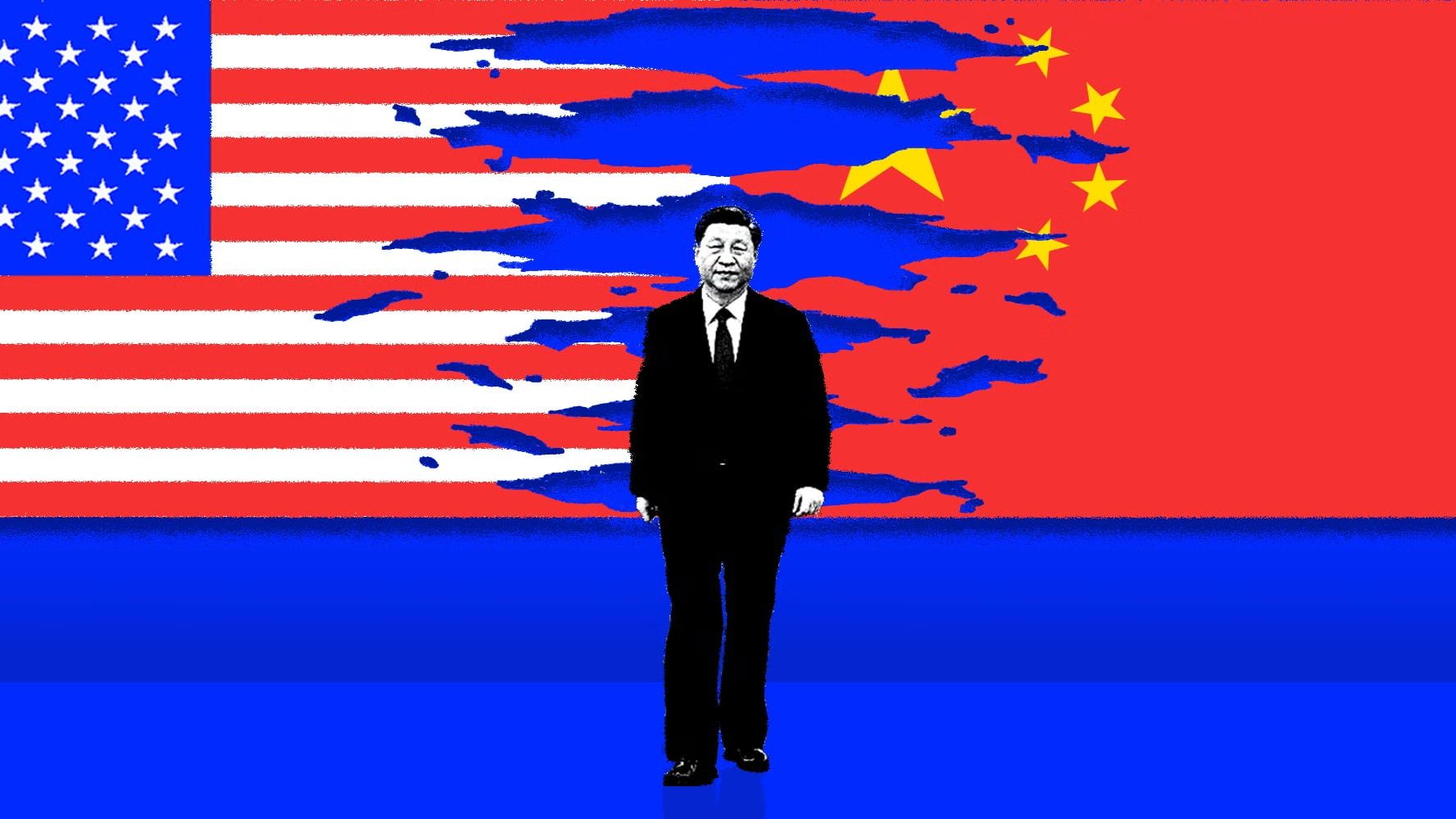
Well, looks like the decades-long honeymoon between Wall Street and China is officially dead.
Corporate America used to see dollar signs in every Chinese consumer, but now? Not so much.
Xi Jinping’s economic “strategy” involves propping up Chinese companies and giving the cold shoulder to U.S. brands like Apple, Starbucks, and even Tesla.
Guess that whole “we can do business despite our differences” story didn’t age well.
Now, instead of Starbucks lattes, Chinese consumers are flocking to homegrown brands like Luckin Coffee.
Meanwhile, Wall Street firms are backing out faster than a Tesla on autopilot—China’s stock market is seeing its first equity outflows in years.
The kicker? Xi doesn’t seem to care. His goal isn’t to make China a welcoming market but to make it untouchable.
And hey, maybe it’s time we stop treating China like the golden goose and start looking at it like the real problem it is.
ECONOMY HEADLINES
💼 OpenAI plans to shift from a nonprofit to a for-profit company amidst major leadership changes, including the resignation of CTO Mira Murati, as it seeks to attract investors for its AI expansion.
💣 Ahead of a meeting with President Zelensky, Biden has directed billions more in U.S. military aid to Ukraine, emphasizing continued support despite political tensions with Republicans, including Donald Trump.
🗳️ Congress passed a bill to avert a government shutdown by extending funding until December, with bipartisan support, as both parties aim to avoid political risk before the upcoming elections.
🌐 Mark Zuckerberg is shifting Meta’s focus from the metaverse to AI, with new AI tools and headsets aimed at enhancing consumer adoption and maintaining investor confidence despite ongoing high expenditures.
🏭 Kamala Harris pledges to prioritize government intervention to boost domestic manufacturing through tax credits, framing it as essential for economic security and U.S. competitiveness against China, while countering Donald Trump’s trade policies.
BUSINESS
Small Businesses Gear Up to Spend—But Cautiously—As Fed Cuts Rates
With the Fed cutting interest rates, some small business owners are ready to jump back into growth mode.
Entrepreneurs like David Harrison, a tire store owner, are cautiously optimistic, planning expansions as borrowing costs drop.
Others, like Hector Guerra, are holding back, saying rates need to fall even further before loans make sense for them.
The confidence boost from lower rates is real—some, like SecureIt Tactical’s Tom Kubiniec, are gearing up for more consumer spending, while smaller businesses like Annie’s Ginger Elixir are taking a “wait-and-see” approach before jumping into new loans.
RETIREMENT
Retirement Rehearsal: Why You Should Test-Drive Your Golden Years
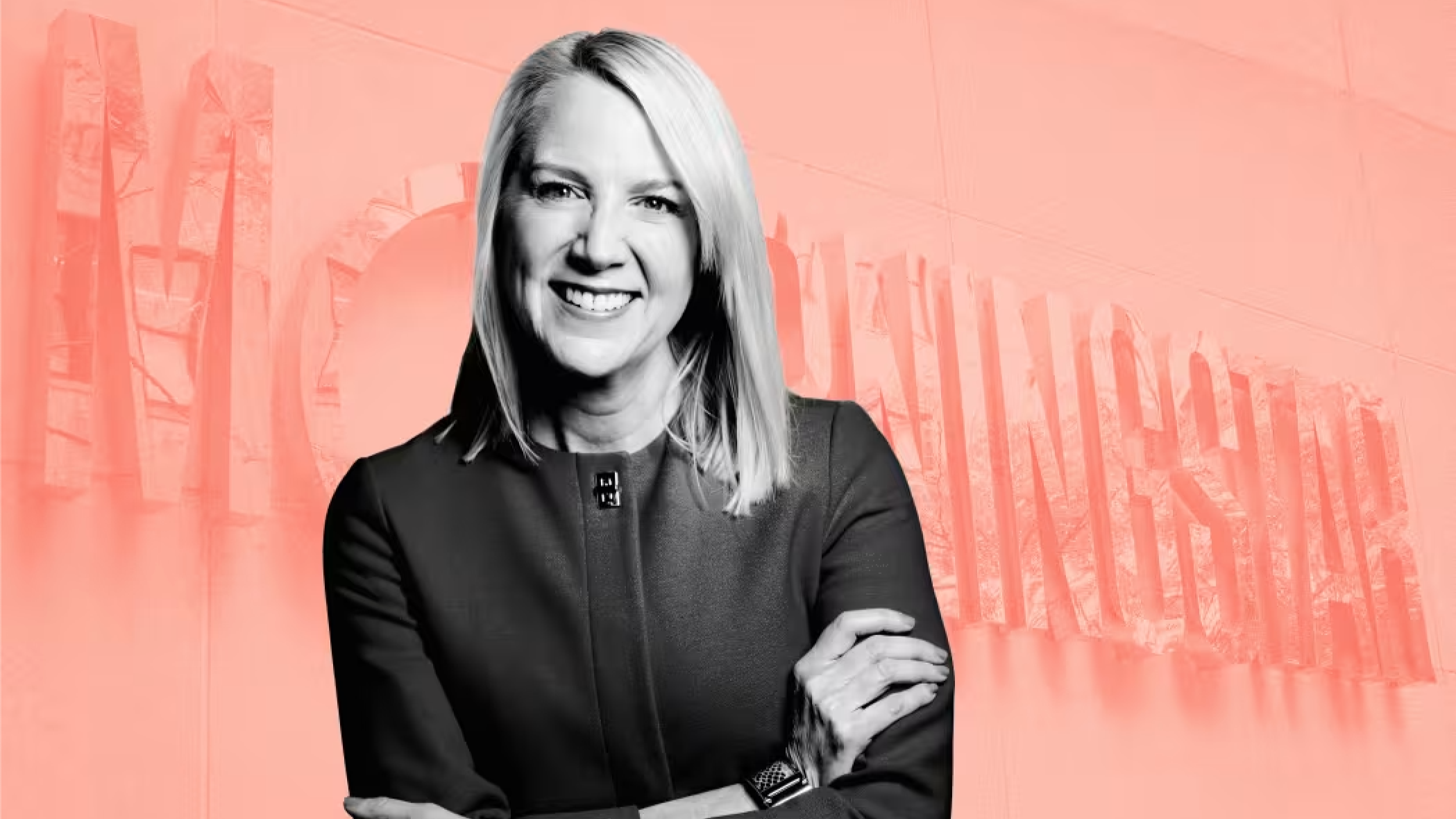
Before you park yourself on the couch for retirement, try taking it for a spin.
Christine Benz of Morningstar suggests living on your expected retirement budget before you quit your job.
Turns out, managing money is just one part of the puzzle—testing out big lifestyle choices, like where to live, matters too.
Benz points out that underspending is a real problem, especially with fears about long-term care costs looming.
Also, rethink that “aging in place” idea—it doesn’t mean staying in a house full of stairs.
Retirement is a journey with stages, so ease into it!
Trivia
On September 29, 2008, the U.S. stock market faced one of its largest single-day losses. What was the primary reason for this historic drop?
A. Sudden collapse of a major tech company
B. Congress initially rejecting a $700 billion financial bailout plan
C. Federal Reserve raising interest rates unexpectedly
D. Announcement of new trade tariffs with China
E. Oil prices hitting a record high
Scroll for the answer
TAXES
Harris Bets Big on $100 Billion for U.S. Manufacturing – But Who’s Paying?
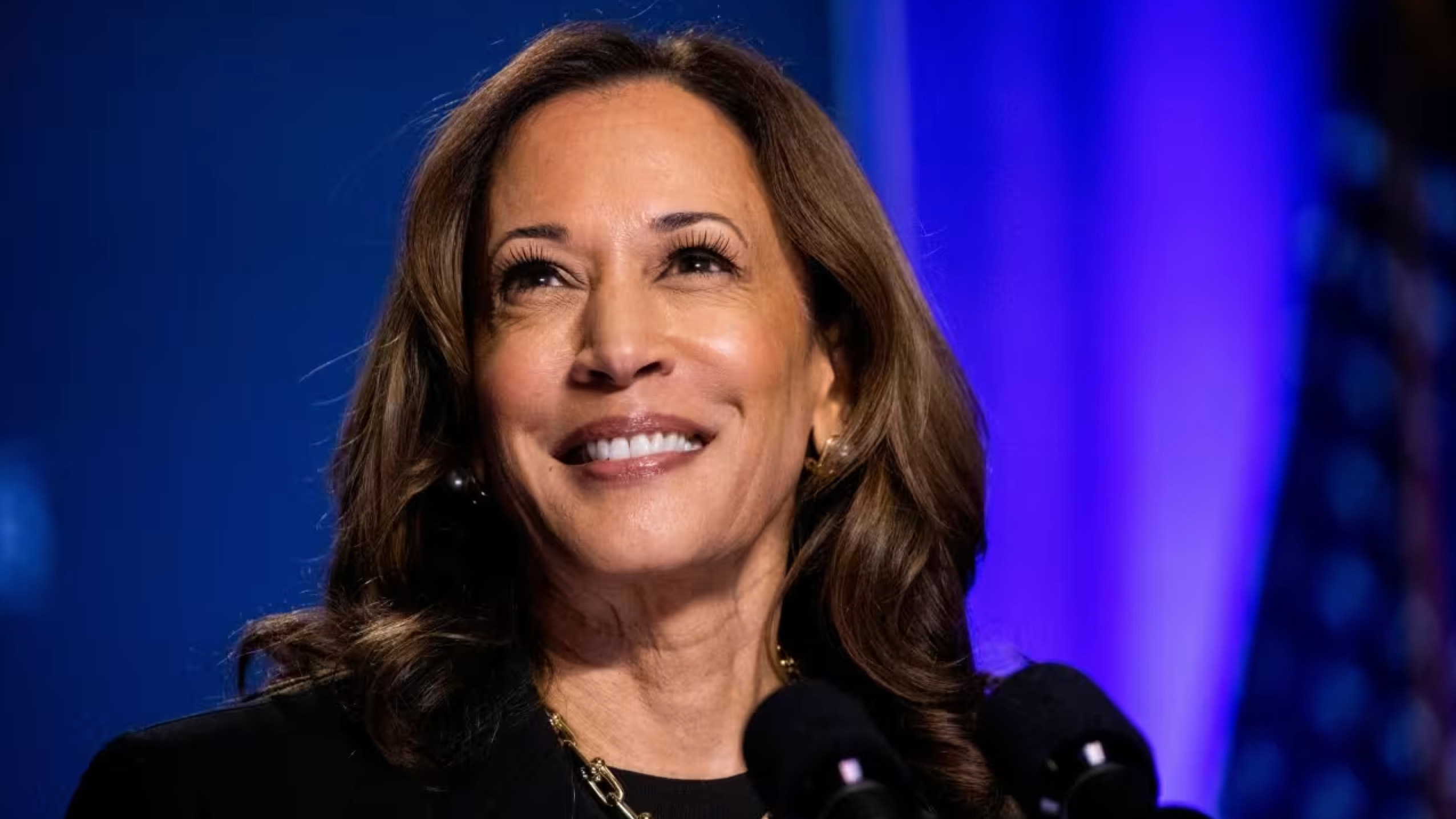
Kamala Harris is promising to sprinkle $100 billion in tax credits to supercharge U.S. manufacturing, aiming to boost industries like AI, aerospace, and biomanufacturing.
Sounds great, right? Well, she’s banking on paying for it by taxing American companies’ foreign earnings through some global corporate minimum tax.
That should go over well! In a speech, Harris tried to paint herself as the savior of the middle class and cast Trump as the guy who only cares about the rich folks in skyscrapers.
She’s hoping these tax credits will counter China and revitalize factory towns, all while cozying up to unions.
But let’s be real—this sounds a lot like more government spending and hoping someone else picks up the tab.
Note too that the $100 billion won’t even put a dent in the $1 trillion the U.S. adds to the national debt every three months, making the burden on future generations even heavier.
Answer
On September 29, 2008, the U.S. stock market faced one of its largest single-day losses. What was the primary reason for this historic drop?
B. Congress initially rejecting a $700 billion financial bailout plan
The stock market crash on September 29, 2008, occurred because Congress voted against a $700 billion bailout plan designed to stabilize the U.S. financial system during the 2008 financial crisis.
This led to a lack of confidence in the market, causing the Dow Jones to plummet nearly 778 points, the largest single-day point drop at that time.
The rejection of the bailout plan signaled uncertainty in the government’s ability to handle the crisis, which spooked investors.